Wondering which weeds are most likely invading your lawn this summer in Charlotte, Gastonia, or elsewhere in North Carolina? The top culprits are crabgrass, yellow nutsedge, spurge, clover, and, occasionally, chickweed. These weeds thrive in heat, compete with your grass, and can quickly take over if you don’t spring into action. Advanced Turf Care can help curb them with expert, Carolina‑specific treatment plans.
Common Summer Weeds & How to Control Them
1. Crabgrass
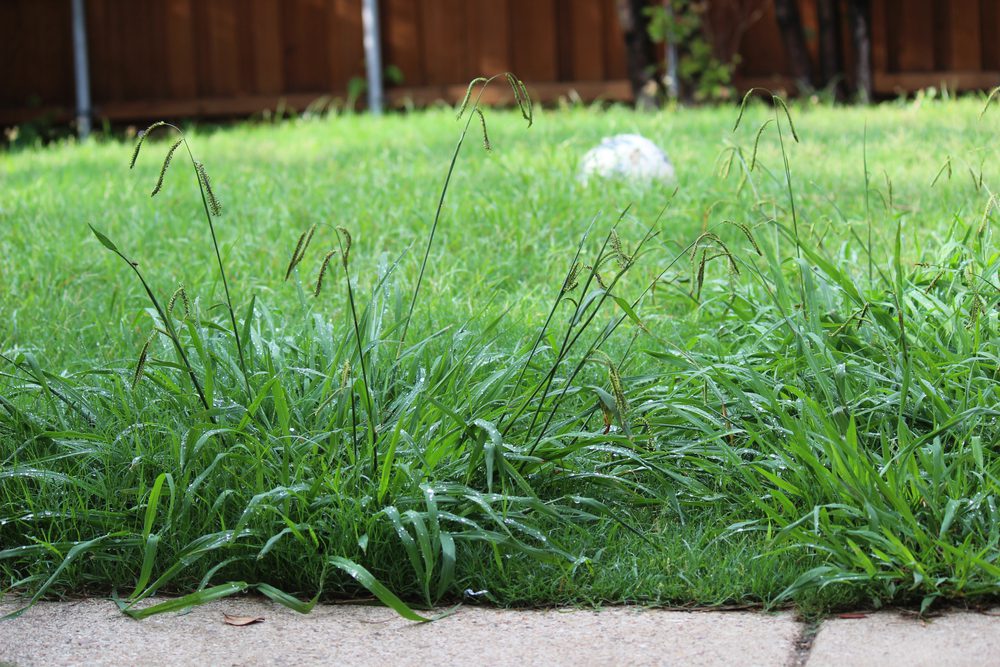
- What to look for: Warm‑season annual that spreads flat and wide with fingers, like stems, reminding you of crab legs. Starts pale green but darkens with age.
- Control tips:
- Apply pre‑emergent herbicide in early spring, before soil temps hit about 55 °F.
- Keep turf healthy and dense to crowd it out (proper mowing, watering, fertilizing).
- Use spot post‑emergent treatment if you catch it early.
2. Yellow Nutsedge
- What to look for: A stubborn perennial that thrives in hot, damp, poorly drained spots. Look for stiff, triangular stems and taller blades that form a V shape.
- Control tips:
- Improve drainage and avoid overwatering.
- Hand‑pulling won’t work: Use targeted herbicides and repeat treatments.
3. Spurge
- What to look for: A low‑growing broadleaf weed with branching red stems, small oval leaves, and tiny flowers. Spreads quickly when summer heats up.
- Control tips:
- Use pre‑emergent in spring to reduce germination.
- Apply broadleaf post‑emergent herbicide right away when you spot it. Young plants are easiest to limit.
4. Clover
- What to look for: Often white clover with three‑leaf clusters and small white blooms. It thrives in thin, nitrogen‑poor turf.
- Control tips:
- Fertilize according to soil test results to remove clover’s advantage.
- For persistent patches, combine targeted broadleaf control with reseeding.
5. Chickweed (sometimes lingers into summer)
- What to look for: Although typically a winter annual, chickweed can persist in shaded, moist areas well into summer. Look for low mats of oval leaves and tiny white flowers.
- Control tips:
- Remove early by hand where possible.
- Apply post‑emergent broadleaf herbicide if it stays.
Why These Weeds Are Especially Prevalent Here
These five weeds: crabgrass, yellow nutsedge, spurge, clover, and chickweed are consistently identified as the most common summer invaders in North Carolina lawns. That’s validated by multiple local sources and landscaping experts. Each one thrives in warm-season turf and exploits opportunities like poor drainage, thin grass, and heat stress to spread quickly.
How Advanced Turf Care Tackles These Weeds
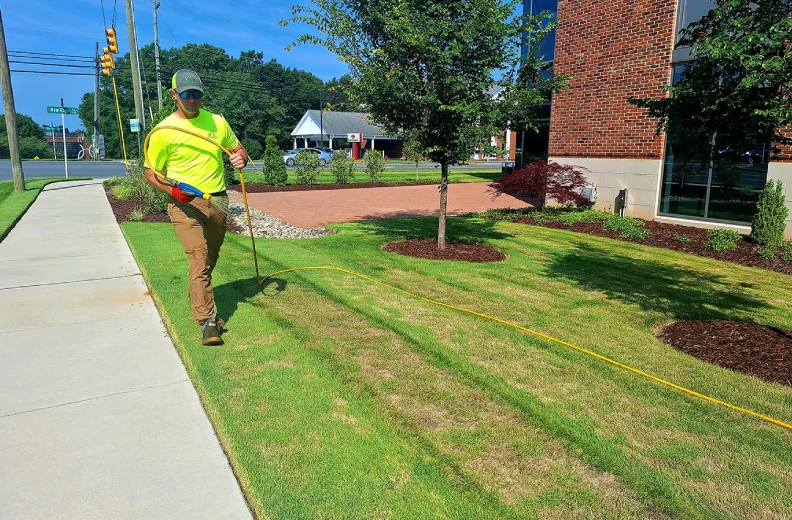
At Advanced Turf Care, our weed control services are built into our year-round Lawn Fertilization Program, featuring 3–4 site visits per year customized for Greater Charlotte and surrounding areas. Whether you need spring prevention or summer weed control, we:
- Inspect and identify your specific weed problems.
- Design a custom strategy, from organic to chemical solutions.
- Apply pre-emergent and season-specific treatments.
- Use targeted spot treatments for tough weeds like nutsedge or clover.
- Combine weed control with lawn feeding for lasting density and resilience.
Keep Your Lawn Weed-Free This Summer
Now you know the most common summer weeds in North Carolina lawns and how to identify and manage them. We can help keep these invaders from taking over your yard with treatments designed for the Charlotte and Gastonia climate.
Call us at 704-800-5955 to schedule your lawn weed control service today.
Tired of Fighting Weeds in Your Lawn?
Advanced Turf Care can build a weed-control plan around your lawn, grass type, and the season.
Explore Weed Control