Lower Your Water Bill This Summer — Join Our Soil Conditioning and Moisture Management Program→
Lower Your Water with Our Summer Program→
info@advancedturfcare.com
126 Melody Dr, Gastonia, NC, 28056
704 800 5955
Lower Your Water Bill This Summer — Join Our Soil Conditioning and Moisture Management Program→
Lower Your Water with Our Summer Program→
info@advancedturfcare.com
126 Melody Dr, Gastonia, NC, 28056
704 800 5955
Your Trusted Pros for Lawn Care in Greater Charlotte, NC
If you live in Charlotte, you’ve probably had this experience at least once. You look at your lawn in spring and imagine it turning into a thick, green carpet for the summer. But a few months later, things don’t look the way you hoped. Brown patches start appearing. Weeds show up where grass should be. Parts of the lawn look thin or stressed no matter how much you water.
Trusted by Homeowners Across Charlotte


If that sounds familiar, you’re not alone. Many Charlotte homeowners struggle with the exact same issues. The truth is that growing a healthy lawn here isn’t always simple. Charlotte sits in what lawn professionals call a “transition zone.” That means the climate swings between hot, humid summers and cooler winters. On top of that, much of the area has heavy clay soil, which holds water, becomes compacted easily, and can make it hard for grass roots to grow properly.
Because of these conditions, lawns in Charlotte often face challenges such as:
Many homeowners try to solve these problems with store-bought products or occasional treatments. Sometimes those solutions help temporarily, but the results rarely last. That’s because lawn health isn’t just about one treatment or one product. A healthy lawn requires a carefully timed program that works with Charlotte’s climate, soil conditions, and grass types.
Now imagine a different outcome.
Instead of guessing which fertilizer to use or when to apply weed control, your lawn is managed with a clear plan designed specifically for Charlotte lawns. Treatments are applied at the right time of year. Soil health is improved so roots grow deeper and stronger. Weeds are prevented before they take over. Diseases and pests are addressed before they spread across your yard.
Over time, the lawn begins to change. Grass grows thicker. Bare areas fill in. Color improves. The yard becomes a place where your family can relax, entertain, or simply enjoy the view from your porch.
This kind of lawn doesn’t happen by accident. It happens when a lawn is cared for with local knowledge, professional equipment, and a science-based treatment strategy.
In the sections below, we’ll walk through the most common lawn challenges homeowners face in Charlotte, explain the services that make the biggest difference, and show how a professional lawn care program can turn a struggling yard into a thriving one.
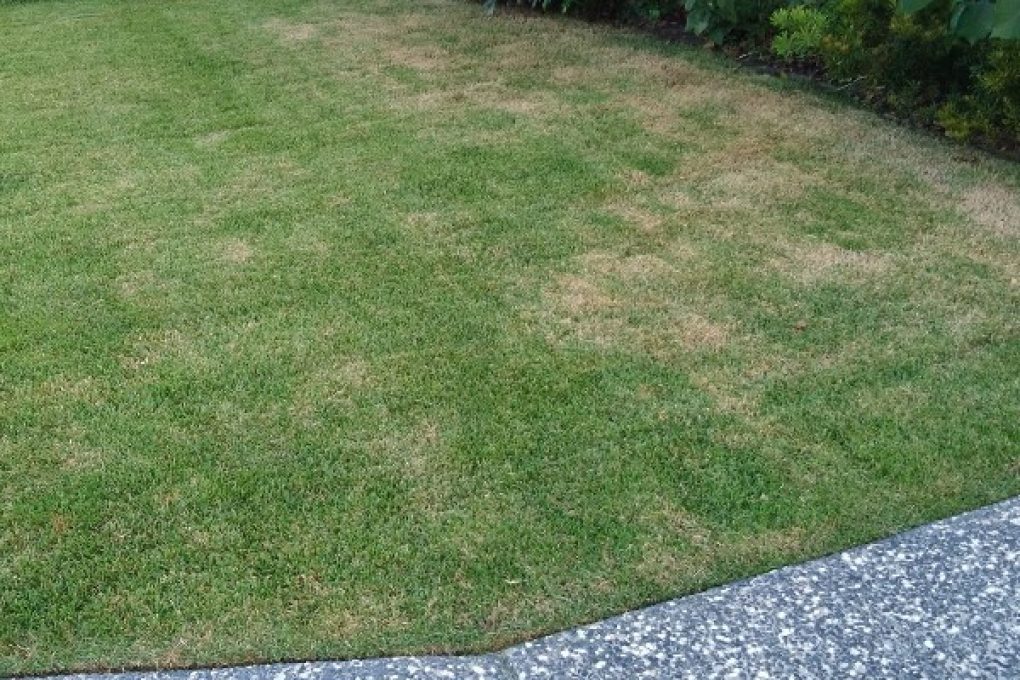
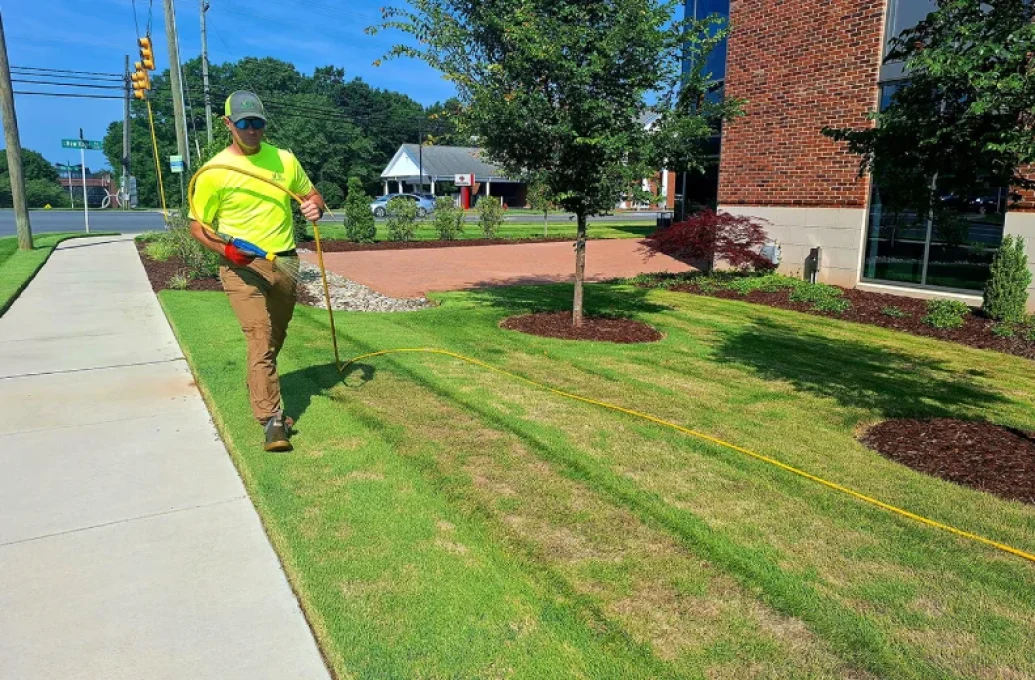
Growing a healthy lawn in Charlotte isn’t just about watering and fertilizing. The local climate and soil conditions play a huge role in how grass grows — and why many lawns struggle without the right care.
Much of the Charlotte area has heavy clay soil. Clay holds moisture well, but it also becomes compacted very easily. When soil becomes compacted, grass roots have trouble getting the air, water, and nutrients they need.
This is why many Charlotte lawns look thin or stressed even when they’re fertilized.
Expert Tip: Core aeration is especially important in clay soil. By removing small plugs of soil, aeration opens the ground so oxygen, water, and nutrients can reach deeper into the root zone. For most Charlotte lawns, aeration works best in fall for tall fescue and late spring or early summer for Bermuda grass.
Charlotte summers can be tough on lawns. High temperatures combined with humidity create ideal conditions for lawn stress and fungal diseases like brown patch. Grass that isn’t properly nourished or rooted deeply often struggles during this time.
Expert Tip: Water deeply rather than watering a little every day. About one inch of water once or twice per week encourages deeper roots and helps lawns tolerate summer heat better.
Charlotte sits in a transition zone, meaning both cool-season grasses like tall fescue and warm-season grasses like Bermuda are common. Each type requires different care throughout the year.
Expert Tip: Annual soil testing helps identify nutrient deficiencies and pH imbalances, allowing lawn treatments to be applied more precisely and effectively.
Charlotte lawns often struggle with aggressive weeds and humidity-driven diseases. These problems spread quickly if they are not controlled early.
Some of the most common weeds in Charlotte include clover, dandelions, crabgrass, and nutsedge. These weeds compete with grass for sunlight, nutrients, and water. Once they begin spreading, they can quickly take over weak or thin areas of the lawn.
Weed pressure is especially high in lawns where grass is stressed or soil conditions are poor.
Expert Tip: Pre-emergent weed control is one of the most effective defenses. Applying pre-emergent treatments in early spring and fall helps stop weeds like crabgrass before they germinate, reducing weed problems throughout the year.
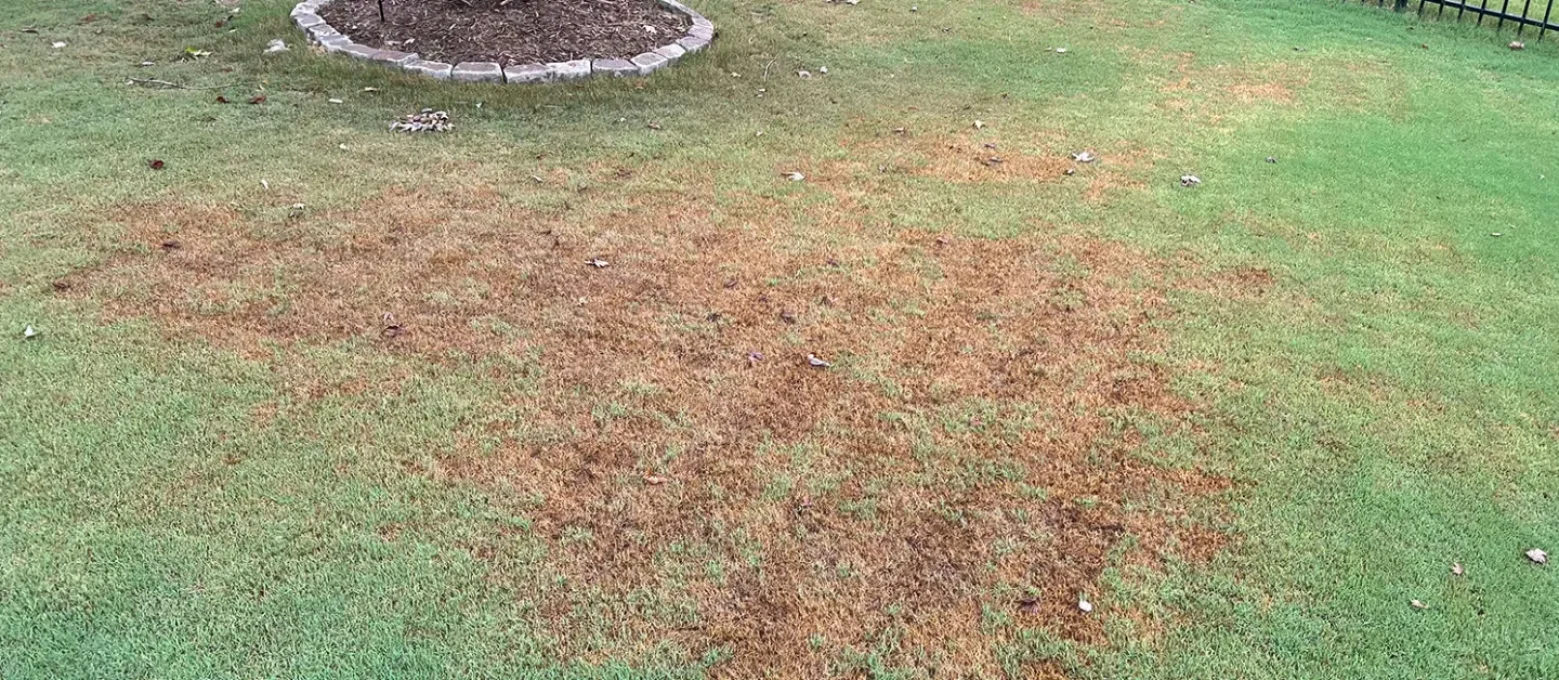
Charlotte’s hot and humid summers also create ideal conditions for lawn diseases. Issues such as brown patch and dollar spot are common in the region.
These diseases typically appear as irregular brown areas or thinning patches of grass. They often develop when lawns stay wet for long periods, especially during warm nights and high humidity.
Healthy lawns in Charlotte require care that changes with the seasons.
Spring: Focus on fertilization and weed prevention as grass begins growing.
Summer: Lawns face heat stress and drought. Proper watering and disease monitoring become critical.
Expert Tip: Keep mower blades higher—around 3–4 inches for tall fescue. Taller grass shades the soil, retains moisture, and naturally helps suppress weeds.
Fall: This is the most important recovery season for cool-season lawns. Aeration and overseeding help thicken the lawn and strengthen roots.
Expert Tip: Remove fallen leaves promptly. Heavy leaf buildup can smother grass and encourage fungal diseases before winter dormancy.
Healthy grass starts with proper nutrition. Our fertilization programs are designed around Charlotte soil conditions and the specific grass growing in your yard, whether that’s tall fescue, Bermuda, or another variety.
Instead of applying generic fertilizer, treatments are scheduled throughout the year to support grass during each growth stage.
Benefits include:
Applications use professional-grade, slow-release fertilizers that feed the lawn gradually and support long-term turf health.
Check Details!
Weeds such as crabgrass, clover, nutsedge, and broadleaf weeds are common across Charlotte lawns. Without proper control, they quickly spread and crowd out healthy grass.
Our weed control strategy focuses on prevention first.
Pre-emergent treatments are applied in early spring and fall to stop weeds before they germinate. If weeds appear during the season, targeted post-emergent treatments are used to remove them while protecting the surrounding grass.
The result is a cleaner, healthier lawn with far less competition for nutrients and sunlight.
Clay soil is one of the biggest challenges for Charlotte lawns. .Over time, soil becomes compacted, making it difficult for grass roots to absorb water, oxygen, and nutrients.
Core aeration removes small plugs of soil, opening the ground and improving airflow within the root zone. This process helps grass grow deeper and stronger.
Overseeding is often performed alongside aeration to introduce new grass seed and thicken thin areas of the lawn.
For best results, these services are timed carefully:
Together, aeration and overseeding help create a thicker, healthier, and more resilient lawn.
Check Details!
Charlotte’s warm, humid summers can trigger lawn diseases like brown patch, while underground pests such as grubs can damage grass roots.
These problems often start below the surface before homeowners notice visible damage.
Professional monitoring allows issues to be identified early and treated with targeted solutions. Preventative treatments and timely interventions help protect the lawn from spreading damage and keep turf healthy throughout the growing season.
A healthy lawn doesn’t happen by chance. It requires a clear plan, consistent treatments, and careful monitoring throughout the year. Our process is designed to keep homeowners informed while delivering reliable results.
Every service begins with evaluating your lawn. We look at grass type, soil conditions, and visible problems such as weeds, disease, or thinning turf. This step helps identify what your lawn actually needs rather than applying generic treatments.
Based on the assessment, a tailored lawn care plan is created. This outlines the recommended services, treatment timing, and the expected improvements over the season.
Treatments are applied at the right time of year using professional equipment and carefully selected lawn products. Timing and proper application are key to controlling weeds, strengthening grass, and preventing common Charlotte lawn problems.
Lawns change throughout the season. During service visits, technicians monitor turf health and adjust treatments if needed to keep the lawn on track.
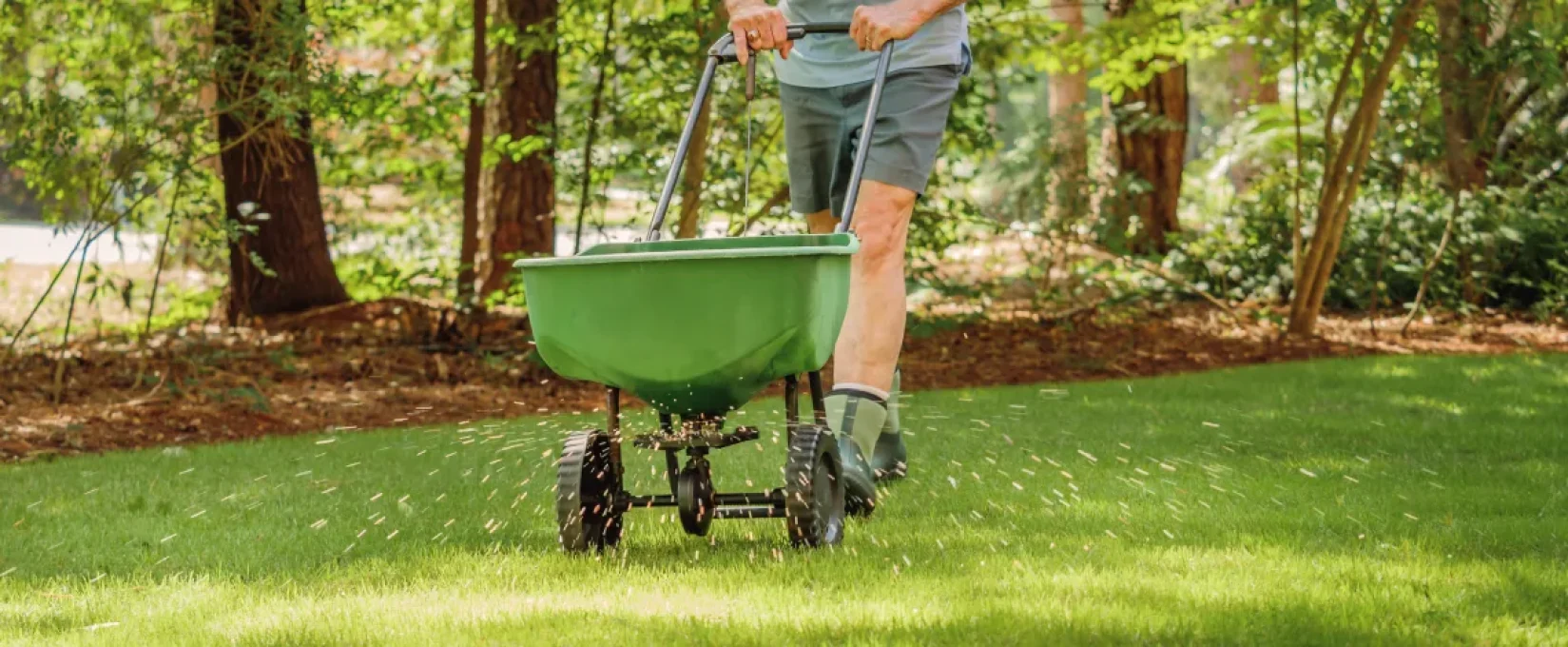
Clear communication is a big part of good lawn care. Homeowners receive updates after service visits along with notes about the lawn’s condition and any recommended next steps.
Professional lawn care should give homeowners confidence. If concerns arise after a treatment, the lawn is re-evaluated and adjustments are made to keep your lawn moving toward healthier growth.
Lawn care costs can vary because every property is different. The condition of the lawn, its size, and the type of services needed all affect the overall price.
Some of the main factors that influence lawn care pricing include:
Professional lawn care should be viewed as an investment rather than a one-time expense. A properly maintained lawn can prevent costly damage, improve curb appeal, and create a healthier outdoor space for your home.
Every lawn has different needs, which is why treatment programs are designed to match your property and goals.
Common lawn care programs often include combinations of:
Overseeding to thicken thin lawns
Expert Tip: While individual services can help in certain situations, a complete year-round lawn care program usually produces stronger, more consistent results than occasional treatments.
The best way to understand pricing is through a personalized quote. Lawn size, current lawn condition, and treatment goals are evaluated so services can be recommended clearly and transparently.
Homeowners can request a no-obligation quote online or by phone to receive a plan tailored to their lawn.

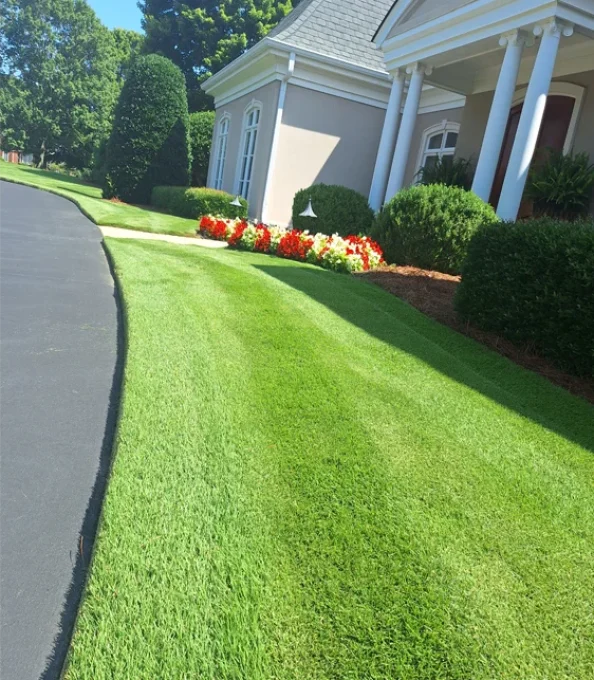
Caring for lawns in Charlotte requires more than general lawn knowledge. The region’s clay soil, humid summers, and transition-zone grass types create challenges that require local experience to manage properly.
Our team works with lawns throughout the Charlotte area and understands the issues homeowners commonly face, from fescue stress during summer heat to aggressive weeds like nutsedge. This local experience allows treatments to be timed and applied based on how lawns actually grow in this region.
Expert Tip: When choosing a lawn care provider, local expertise matters. Professionals who understand Charlotte’s soil and climate can create treatment plans that produce better long-term results.
A successful lawn care program should produce visible improvement over time. With the right combination of fertilization, weed control, aeration, and disease prevention, lawns grow thicker, greener, and healthier throughout the year.
Many Charlotte homeowners seek professional care after struggling with recurring weeds, patchy turf, or lawns that never fully recover from summer stress. A structured lawn care plan helps correct these issues and restore strong turf growth.
Behind every successful lawn program is a knowledgeable team that understands turf health. Lawn care specialists evaluate each property, monitor seasonal changes, and adjust treatments as needed to keep lawns progressing in the right direction.
Professional lawn care should protect both the lawn and the surrounding environment. Treatments are applied carefully and responsibly, using products designed to support turf health while remaining safe when used according to recommended guidelines.
Healthy lawns are built through consistent care over time. By focusing on soil health, proper nutrition, weed prevention, and seasonal treatments, our approach helps Charlotte lawns stay strong and resilient year after year.
EXCELLENTTrustindex verifies that the original source of the review is Google. Jarome smiled and waved to me when he got out of his truck and put the sign in our yard. I told him the gates were unlocked and he got right to work fertilizing the yard thoroughly and efficiently.Posted on GoogleTrustindex verifies that the original source of the review is Google. James did a very good job. Covered all areas of my yard.Posted on GoogleTrustindex verifies that the original source of the review is Google. Good servicePosted on GoogleTrustindex verifies that the original source of the review is Google. Fantastic service. On time and they adhere to the scheduled visit. Dependable. Jimmy a great tech. Even blew stray fertilizer off of sidewalk. Highly recommend.Posted on GoogleTrustindex verifies that the original source of the review is Google. Brandon just applied my second lawn treatment. I'm already seeing less weeda, violets & onions! Yah! Brandon is friendly, professional & keeps me in the loop as to what he's doing & why. Andrew is my primary contact & is wonderful to deal with! Sara in the office is really nice & very professional. All work & communication has been well done & convenient to my schedule. Great team & great work! 11-13-25 Jerome just applied the monthly treatment to my lawn. I had questions & he answered them completely. Sara in the office also answered my questions. Jarome & Sara are both very friendly, professional & Advanced Turf Carecourteous! Their service, speed in replying to emails/phone calls/texts is great as well. Their customer service should be a model that EVERY other companies should strive to emulate! Top notch company. A true 15 out of 10 121025 James just finished the last lawn care treatment for this year. As with everyone I've dealt with at this company, James was professional, friendly (via texting as id asked him to text when he arrives so I could make sure the dogs were inside). He did a complete coverage missing no areas. 10 out of 10 again for both James & company any 021326 James, as always did a fantastic job. He notified me when he arrived so I could bring the dogs in. Did his work professionally & as always, respected my property (ie. watches where the hose was so it didn't drag through gardens). Let me know what the dry time was (pet safety!) & let me know when he was done. Friendly, professional & respectful. 15 outta 10 again James 😄Posted on GoogleTrustindex verifies that the original source of the review is Google. James came out to apply our first treatment for the year. He was efficient and effective and left a sign to inform us that the job was completed. This is the most professional, responsive, thorough lawn care company I have ever worked with. They are diligent about identifying and attacking the variety of weed and pest problems we have had and our lawn reflects their knowledge and efforts. I highly recommend Advanced Turf Care for all of your lawn care needs.Posted on GoogleTrustindex verifies that the original source of the review is Google. Very happy I switched lawn companies, but he doesn't have to climb over the fence to do the back-I left the gate open.Posted on GoogleTrustindex verifies that the original source of the review is Google. Jerome did a great job and when he finished he cleaned up very nice.New exactly how to do his jobVerified by TrustindexTrustindex verified badge is the Universal Symbol of Trust. Only the greatest companies can get the verified badge who has a review score above 4.5, based on customer reviews over the past 12 months. Read more
In addition to serving Charlotte, we proudly provide professional lawn care services in nearby areas such as Weddington and Fort Mill. Lawns throughout the greater Charlotte area often share similar soil composition, grass types, and seasonal growth patterns, allowing us to deliver consistent, high-quality turf care solutions across each of these communities. From routine fertilization and weed control to full-service lawn maintenance, our programs are designed to perform reliably throughout the region.
FAQs
Charlotte sits in a transition zone, so both tall fescue and warm-season grasses like Bermuda or Zoysia are common. Fescue stays green most of the year and performs well in partial shade, while Bermuda and Zoysia thrive in full sun and tolerate heat better.
Most lawns benefit from multiple applications per year, timed around the grass growth cycle. Cool-season lawns like fescue often receive treatments in spring and fall, while Bermuda lawns are typically fertilized more during the warmer months.
Professional lawn products are applied carefully according to label guidelines. In most cases, lawns are safe for normal use once the treatment has completely dried.
Some improvements, such as weed control, may be noticeable within a few weeks. However, building a thick and healthy lawn usually takes several months of consistent care.
For many Charlotte lawns—especially tall fescue in clay soil—annual fall aeration and overseeding helps reduce compaction and thicken the turf.
★★★★★
“Advanced Turf Care has been great!”
Limited Spring Offer
Join hundreds of homeowners who finally have the lush, weed-free lawn they’ve always wanted — without the guesswork.
50%
Off Your First Treatment
Fertilization · Weed Control · Aeration · More
⏰ Claim it now! Time is running out