Lower Your Water Bill This Summer — Join Our Soil Conditioning and Moisture Management Program

Lower Your Water with Our Summer Program

info@advancedturfcare.com

126 Melody Dr, Gastonia, NC, 28056

704 800 5955

advanced tuf care logo

Lawn Disease Control Charlotte, NC

Stop Brown Patch, Dollar Spot, & Lawn Fungus Fast.

You've watered. You've fertilized. And still, those brown circles keep spreading.

That's not a watering problem. It's a lawn disease, and it won't fix itself.

Most lawn damage we see in Charlotte isn't insects or drought. It's fungus. Homeowners guess wrong more often than not, and a wrong guess means wasted money on the wrong product.

We diagnose first, using on-site inspection and NC State Extension resources to confirm exactly what's attacking your grass.

Inspect Before recommending treatment
Diagnose Using local turf resources
Recover With a clear treatment plan
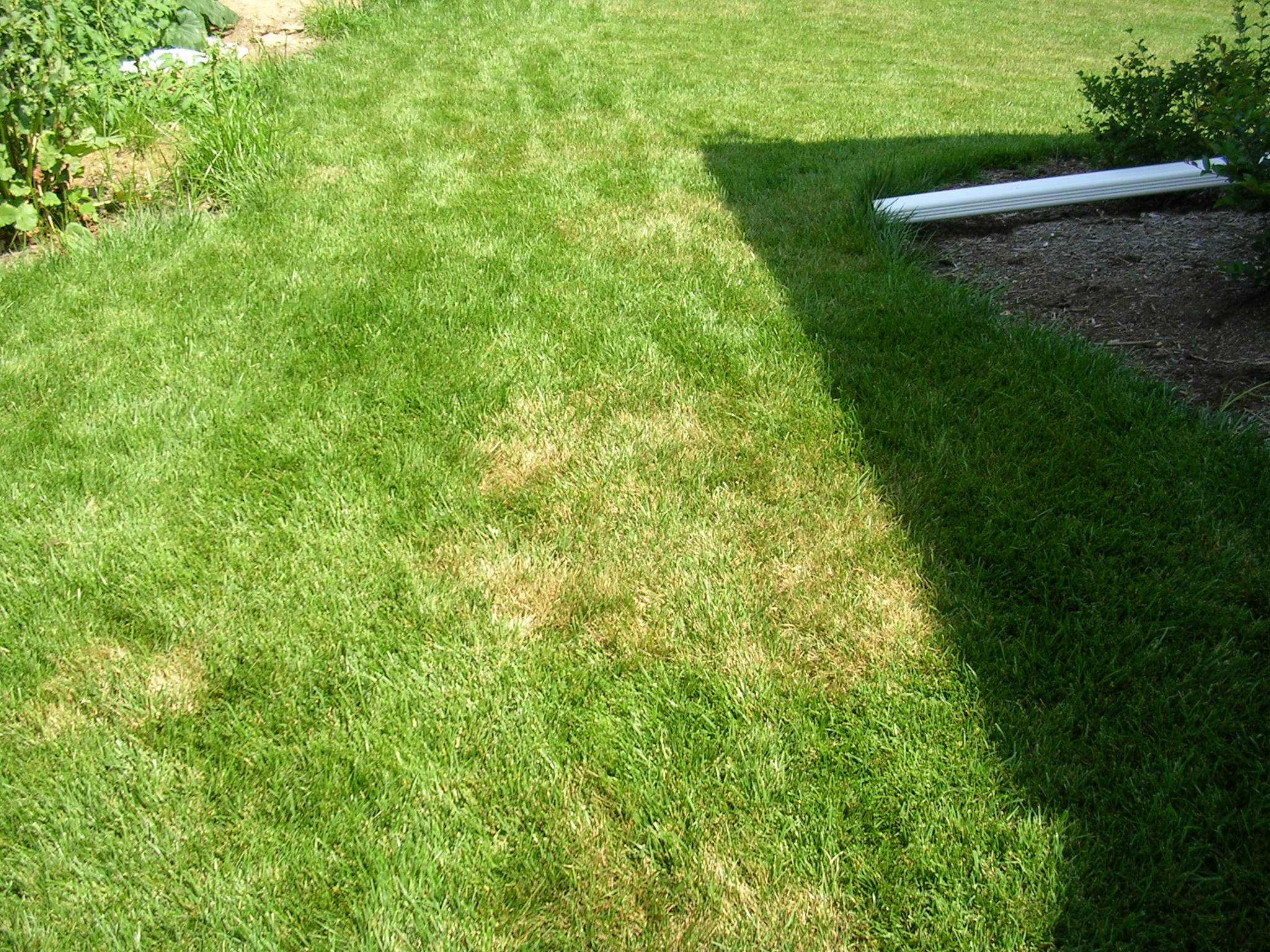
Charlotte lawn showing circular brown patch fungal damage
Inspect • Diagnose • Treat No More Guessing.
01
On-site inspection

We check the whole lawn, not just the patch you noticed.

02
Accurate diagnosis

We treat the actual pathogen, not a guess.

03
Clear recovery plan

You know what we handle, what you handle, and what happens next.

Common Lawn Diseases in Charlotte: What to Look For

Six Common Diseases. One Proper Diagnosis.

Not sure what's attacking your lawn? Here's how to spot the six diseases we treat most in Charlotte-area yards. We check NC State Extension and TurfFiles for the latest science behind every diagnosis.

02

Dollar Spot

Sclerotinia homoeocarpa

Small, silver-dollar-sized tan spots that merge into bigger patches. Blades show hourglass lesions with bleached centers.

Grass at risk
Bermuda, zoysia, tall fescue.
When it strikes
Late spring through fall, worse with low nitrogen.
03

Gray Leaf Spot

Pyricularia grisea

Irregular grayish patches that can kill turf fast. Leaves show small gray spots with dark purple borders.

Grass at risk
Tall fescue, ryegrass.
When it strikes
July through September, during hot, wet stretches.
04

Fairy Ring

Various fungi

Rings or arcs of dark green, fast-growing grass, sometimes with dead turf inside. Mushrooms may pop up after rain.

Grass at risk
All lawn types.
When it strikes
Spring through fall, most visible in dry weather.
05

Pythium Blight

Pythium spp.

Greasy, water-soaked patches that turn brown fast, often along drainage lines or mower tracks. Leaves look slimy and matted.

Grass at risk
Tall fescue, ryegrass, bentgrass.
When it strikes
June through August, after heavy rain or overwatering.
06

Spring Dead Spot

Ophiosphaerella spp.

Sunken, straw-colored circles that show up as warm-season grass greens up. Often returns to the same spot yearly.

Grass at risk
Bermuda, zoysia.
When it strikes
Visible March through May, but infection starts the fall before.
Not sure which one you're looking at? That's normal. Even experienced homeowners mix these up.
Get a Diagnosis From a Charlotte Turf Specialist

Why Charlotte Lawns Are Especially Vulnerable to Disease

Charlotte Doesn't Make It Easy on Your Lawn.

Summer highs in the upper 80s and 90s, combined with dew points above 65°F, are exactly what fungus needs to spread.

Add in nights that stay warm from June through August, and morning dew that keeps leaves wet for hours, and your lawn is under attack before you've even had coffee.

Then there's the grass itself. Tall fescue is the most common lawn in the area, and it's also one of the most disease-prone. Unlike bermuda or zoysia, it can't just go dormant and wait out the heat. It has to survive it, which means it's exposed the whole time.

Get a Custom Disease Prevention Plan

Our Disease Control Process: Diagnosis Through Recovery

Inspect. Diagnose. Treat. Follow Through.

Here's exactly what happens when you call us.

01

Thorough On-Site Inspection

We walk your entire lawn, not just the spot you're worried about. We check shade, drainage, thatch, and grass type.

A soil moisture meter and soil thermometer tell us what's really going on beneath the surface, not just what we can see. We take photos as we go.

03

A Treatment Plan Built for Your Lawn

No two lawns get the same plan. Depending on the diagnosis, we may recommend a curative fungicide, adjustments to your watering or mowing routine, core aeration, or a combination.

We'll tell you exactly what we're handling and what's on you.

04

Professional Application

Our technicians apply commercial-grade fungicides with the right nozzle, volume, and timing to actually work. We follow every label instruction, and we'll tell you when it's safe for kids and pets to get back on the lawn.

For preventative programs, we time applications using soil temperature data, hitting the window before disease pressure builds, not after.

05

Follow-Up and Recovery Tracking

We check back in 2 to 4 weeks with comparison photos and an honest read on progress. Some diseases bounce back fast. Others take a full season.

If things aren't improving the way they should, we adjust the plan. No extra diagnostic fees, no runaround.

That's the whole process: inspect, diagnose, treat, and follow through until your lawn is actually better. Schedule Your Inspection

Cultural Practices for Disease Prevention: What You Can Do

Treatment Helps. Daily Habits Matter Too.

Here's what actually reduces disease pressure.

01

Watering

Water deeply, 1 to 1.5 inches per week, in one or two sessions, not a little every day.

Water between 4 AM and 9 AM so grass dries fast in the sun. If you spot fungus, stop watering until the soil dries out. Less moisture means less fungus.

03

Fertilizing

Feed fescue in fall, not late spring or summer. Warm-season grasses do better with late spring and summer feeding, but skip late-fall nitrogen.

A soil test takes the guesswork out.

04

Aeration and Air Flow

Annual core aeration cuts thatch and improves drainage. Trim back overhanging branches so air can move and sunlight can reach the grass.

Small changes, big difference.
Talk to a Charlotte Turf Specialist

Trusted Lawn Disease Care in Charlotte

No More Guessing. Just a Green Lawn Again.

Once we know the disease, we know the fix. You get a clear treatment plan, a real recovery timeline, and products safe for kids and pets to be back on the lawn.

Schedule Your Inspection Today

Charlotte Lawn Disease Control Service Areas

Local Disease Control Across Charlotte And Nearby Communities.

Advanced Turf Care provides disease diagnosis, treatment, and seasonal prevention plans for lawns throughout the greater Charlotte area.

Check Service Availability

Frequently Asked Questions

Disease Control Questions, Answered Clearly.

Not sure whether you are looking at disease, grub damage, or drought stress? Schedule an inspection before applying anything.

Get Your Free Lawn Inspection
Are the fungicides safe for my kids and pets?

Yes. We use EPA-registered products made for home lawns. Re-entry time is usually just a few hours, until the spray dries. We're happy to take extra precautions if you ask.

How long until I see results?

It depends on the disease. Active brown patch usually stops spreading within a week. Dead grass won't turn green again, but new growth fills in over 2 to 8 weeks. We'll give you a realistic timeline at inspection.

What if it rains right after treatment?

Most fungicides are rainfast within hours. We watch the forecast before scheduling. If rain catches us off guard, we may re-treat at no extra cost.

How do I know it's disease and not grubs or drought?

Disease shows up in patterns, circles, rings, or patches. Grub damage peels up like carpet. Drought stress hits the whole lawn evenly. We check for all three during inspection.

Will fungicides hurt my soil?

No. They target the specific pathogen and leave beneficial organisms alone when used correctly.

Why does my fescue get brown patch every July?

Charlotte's hot, humid nights are perfect for it, and fescue is an easy target. Mowing high, watering early, and staying on a seasonal lawn plan breaks the cycle.

Do I need a plan, or can I just call when there's a problem?

Either works. But if the same spot gets hit every year, our Fescue Greenskeeper or Bermuda & Zoysia programs usually cost less than repeat treatments.

What areas do you serve?

Belmont, Bethesda Oaks, Charlotte, Cramer Woods, Cramerton, Denver, Gastonia, Huntersville, McAddenville, Mt Holly, Stanley, and Weddington. Not sure if that's you? Just call.

Ready to Stop the Spread?

Get a Clear Diagnosis Before the Damage Gets Worse.

We'll inspect your lawn, identify what is actually attacking your grass, and give you a practical treatment plan built around Charlotte conditions.

No more guessing. Just a green lawn again.

On-site inspection Clear treatment plan Real recovery timeline

★★★★★

“Advanced Turf Care has been great!”

Curtis Bruton

Limited Spring Offer

Your Lawn Deserves to Look This Good

Join hundreds of homeowners who finally have the lush, weed-free lawn they’ve always wanted — without the guesswork.

50%

Off Your First Treatment

Fertilization · Weed Control · Aeration · More

⏰ Claim it now! Time is running out

No obligation · Free quote included · Cancel anytime