info@advancedturfcare.com

126 Melody Dr, Gastonia, NC 28056

704 800 5955

Honest, Experienced, and Dependable

Lawn Brown Patch Control Services in Greater Charlotte, and Nearby Areas

Brown patch disease may transform a normal lawn into a brown spot within a short time. When you see a circle of dead spots or narrowing grass spreading over your yard, then you are probably dealing with one of the most aggressive lawn fungi that are present to homeowners in this area.

Trusted by Homeowners Across Charlotte

Save Your Lawn from Brown Patch Before It’s Too Late

Most house owners attempt fast DIY repairs and find the issue recurring or worse still, extended. Brown patch is usually poorly diagnosed, and applying the wrong type of treatment worsens your turf. That uncertainty, combined with the fear of long-term lawn damage, makes this issue especially frustrating.

At AdvancedTurf Care, we offer professional brown patch lawn treatment in Charlotte, NC, designed specifically for local grass types, weather patterns, and seasonal conditions in Charlotte and surrounding areas. Our targeted treatment and prevention programs prevent the disease at its foundations, heal the turf, and minimize future outbreaks; therefore, you may be sure that your lawn is in skilled hands.

Schedule Your Free Brown Patch Lawn Inspection in Charlotte Today

What Is a Brown Patch?

Brown patch is one of the most common and aggressive lawn fungal diseases in the Greater Charlotte, Belmont, Mt. Holly, Gastonia, Cramerton, McAdenville, Stanley, Denver, Iron Station, Lowesville, and Huntersville, NC area. It may come out abruptly, leaving an ugly brown mark that spreads fast unless treated. 

Understanding what causes brown patch and how to recognize it early is essential for protecting your lawn’s health. Early detection enables homeowners to take precautionary measures and eliminate damage in the long run.

Understanding This Common Lawn Disease

Brown patch is a quick-spreading fungal disease of the lawn, which is caused by Rhizoctonia solani. It is a disease that attacks cool-season grasses in hot, humid climates, although it may also damage warm-season turf in cooler and wetter climates. The brown patch has the capability of destroying large areas of turf within a short period when the environmental conditions are favorable.

What Brown Patch Looks Like

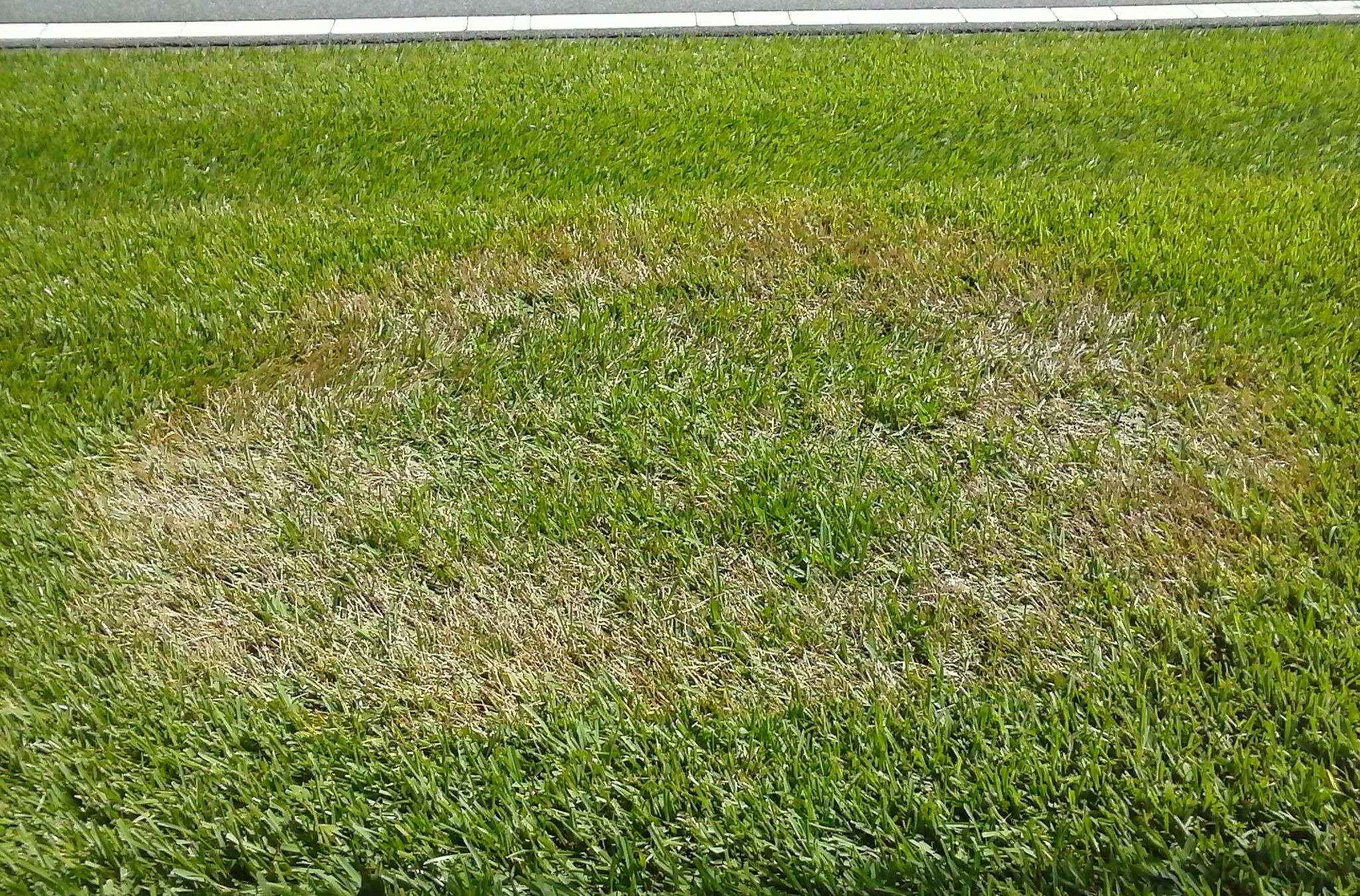
  • Circular brown or yellow patches: Irregular or circular spots that are a few inches to several feet in diameter. Grass is either thin, brown, or yellow-tan.
  • “Smoke ring” effect: In early morning dew, a dark gray or purplish ring may appear around the edge of the patch, a sign the fungus is actively spreading.
  • Damaged grass blades: Blades will tend to have spots of water-soaked grass that will become tan with dark brown edges.

Why Brown Patch Is a Serious Problem

Identifying Brown Patch: What to Look For

The first step in preventing brown patch is to spot it early, prevent its spread, and also severe damage. Knowing the signs, how it spreads, and how to check your grass blades can help homeowners take action quickly. In this section, we will take you through what to look out for and why proper diagnosis is essential to achieve treatment success.

Early Warning Signs

Brown patches may start in subtle ways, yet with the awareness of the initial symptoms, extensive damage can be avoided. Look for:

  • Small, water-soaked spots that suddenly occur and darken rapidly in color, becoming brown or tan.
  • Patches that feel slightly sunken compared to the rest of the healthy turf.
  • Grass that looks dull or unhealthy, even where it is given normal attention.

Early detection of these signs will mean that action can be taken promptly before a large-scale loss of turf.

How Brown Patch Spreads

Brown patch fungus survives under certain weather conditions and may spread very fast throughout your yard. Homeowners should observe:

  • Expansion of spots into roughly circular patches, and in a few days, may extend several inches or feet.
  • Darkened or discolored edges in wet climates are an indication of active fungal growth.
  • Rapid spread in shaded or poorly ventilated areas, where moisture is present.

Knowing the spread pattern helps in precisely targeting treatments, and it avoids the transfer of the fungus to the untouched regions.

Check the Grass Blades

A closer look at an individual blade delivers helpful hints regarding the presence of brown patch. Signs include:

  • Blades that remain upright but look shriveled, brittle, or discolored
  • Grass that pulls out easily from the soil, which means root stress.
  • Tan lesions with dark brown borders appear on the leaf blades, which are a clear indicator of fungus.

Giving your lawn a regular check up particularly in early morning dew or after irrigation can go a long way in preventing brown patch at an early stage.

Symptoms by Grass Type

Symptoms of brown patch vary between different grasses and it is important to know your type of lawn.

Cool-Season Grasses (Fescue, Ryegrass, Bluegrass)

  • Smaller or less clear areas.
  • “Smoke ring” is often visible in morning dew during hot, humid weather

Warm-Season Grasses (Bermuda, Zoysia, St. Augustine)

  • Smaller or less specific patches.
  • General thinning or yellowing during cooler, wet periods

Common Misdiagnoses

  • Drought Stress: It normally spreads across a wide area and not circular.
  • Other Fungal Diseases: Dollar spot forms significantly smaller spots, which are silver-dollar-sized.

Causes of Brown Patch: What Triggers the Disease

Brown patch does not occur randomly. It is formed due to the combination of certain weather conditions and the lawn care practices, which stress the turf.

Environmental Triggers

  • High Heat & Humidity: Most active during nights when the temperature remains above 75°F with constant humidity.
  • Extended Leaf Wetness: Dew, rain, or irrigation keeping grass wet for 6–12 hours creates ideal fungal conditions

Lawn Care Practices That Increase Risk

  • Overwatering: Frequent, shallow, and evening watering keeps the turf constantly damp.
  • Excess Nitrogen: When it is hot and wet, it is recommended to apply plenty of fertilizer, which leaves the plants more exposed.
  • Poor Airflow: Shade from trees, shrubs, or structures traps humidity.
  • Improper Mowing: Using dull blades or scalping your lawn can damage the grass and make it more vulnerable to infections.
  • Thatch Buildup: This is formed by thick organic deposits that retain moisture and also protect fungal spores.

Grass Types More Prone to Brown Patch

  • Cool-Season:.Tall fescue, perennial ryegrass, and bentgrass.
  • Warm-Season: St. Augustinegrass and zoysiagrass.

Expert Insight: Knowing your grass type is essential; susceptibility varies, and prevention strategies must be tailored to your lawn.

Why Professional Brown Patch Control Is Essential

Trying to solve the problem of brown patch by yourself tends to become frustrating, time-wasting, and results in repetitive damage. Trying to solve the problem of brown patch by yourself often leads to frustration, time-wasting, and recurring damage. Professional treatment makes sure that your lawn receives an accurate diagnosis, effective control, and long-term protection. 

Understanding the difference between DIY attempts and expert care highlights why hiring a certified lawn care provider is the safest and most reliable approach.

DIY Treatments Often Miss the Mark

Homeowners attempt to use store-bought remedies or trial and error; however, brown patch may be difficult to cure. Common pitfalls include:

  • Misdiagnosis: Brown patch is mistakenly associated with that of drought damages or any other disease, which results in futile treatments.
  • Weak Products: The fungicides available in the store are restricted and rarely prevent the disease at an early stage.
  • Poor Application: Wrong timing or uneven coverage results in short-term or no improvement.

Temporary outcomes or lack of outcomes are generally the source of homeowner frustration.

The Professional Advantage

The technicians of certified lawn care use targeted and science-supported solutions that cannot be found with DIY methods. The following are professional services:

  • Accurate Diagnosis: Certified technicians make the correct diagnosis of brown patch and eliminate the look-alike problems.
  • Targeted Treatment: Professional-grade fungicides are applied at the appropriate time so that they are used to provide sustainable control.
  • Root-Cause Focus: Soil conditions, grass type, drainage, and microclimate are addressed, not just symptoms.
  • Long-Term Lawn Health: This treatment goes hand in hand with effective prevention measures to eliminate future outbreaks.

DIY Brown Patch Treatment vs Professional Brown Patch Control

DIY treatments might seem cheap initially, but result in repeated issues and increased expenses in the long-term.

Comparison Area
DIY Treatment
Professional Control
Disease Diagnosis
Guess based on appearance
Accurate identification
Product Strength
Limited store-bought options
Professional-grade fungicides
Timing
Often mistimed
Precisely timed applications
Results
Temporary or inconsistent
Faster, longer-lasting results
Risk of Spread
High
Controlled early
Lawn Health
Treats symptoms only
Improves turf health overall
Long Term Cost
Higher due to repeated issues
Lower with fewer recurrences

Our Expert Brown Patch Control Service

Professional brown patch control is not just about applying fungicides; it’s about a complete, tailored approach that restores lawn health and prevents future outbreaks. Our step-by-step approach will also make sure that all the lawns get the appropriate attention depending on the conditions of the lawn, the type of grass, and the local climate. Here’s a proven, step-by-step solution for a healthier lawn:

1. Lawn Inspection & Accurate Diagnosis

Our process starts with an on-site assessment which guarantees the presence of brown patch as well as eliminating other problems such as drought stress or insect damage.

  • The type of grass, soil texture, moisture content, and disease transmission are evaluated keenly.
  • By early diagnosis, treatment is made for the cause and not on the symptoms.
  • Proper diagnosis minimizes unnecessary treatments as well as the quickest recovery.

2. Custom Treatment Plan

Depending on the real needs of your lawn, we develop a custom treatment program that would include:

  • The best fungicide for brown patch.
  • Correct time and technique of application.
  • Cultural adjustments to reduce recurrence

This approach avoids unnecessary treatments while delivering effective control.

3. Precision Fungicide Application

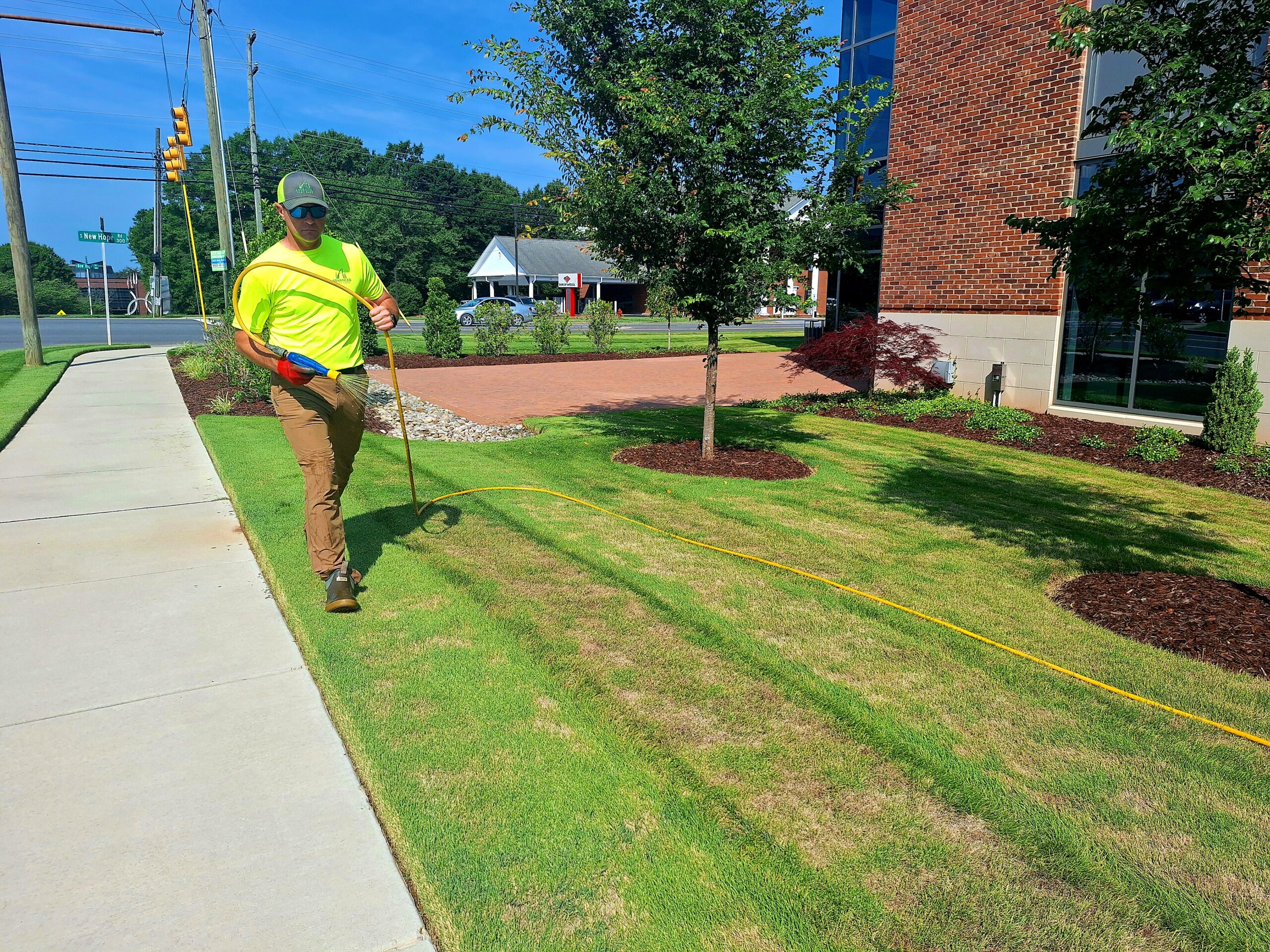
We apply professional-grade, targeted fungicides using commercial equipment for even coverage and maximum effectiveness.

All the products are EPA approved and applied according to strict safety guidelines for families, pets, and the environment.

Trust cue:

✔  Licensed technicians

✔   Pet-safe when applied correctly

4. Post-Treatment Care & Prevention Guidance

The cure is not a stop-and-go process. We use the guidelines of NC State Extension turf and local lawn-specific conditions in our treatment.

We provide clear instructions on:

  • Watering schedules
  • Mowing height
  • Fertilization timing

These measures contribute to having a faster recovery of your lawn and lower the chances of brown patch developing back. 

Expert Insight: If you keep seeing those brown patches showing up, it might be time to call in a pro. Sometimes, you need more than just a simple DIY fix. Professional brown patch control will save time and save your lawn, as well as provide results that will last much longer than those of DIY solutions.

Preventative Care for Long-Term Lawn Health

Simple Habits That Help Keep Brown Patch Away

We not only treat brown patches, but we also assist homeowners to stop recurrent outbreaks.

Smart Lawn Care Practices We Recommend

  • Water the Right Way: Water your grass thoroughly but not too frequently, and try to do it in the early morning. This way, the grass has a chance to dry out during the day, which helps keep fungal issues at bay.
  • Mow at the Proper Height: Keep grass around 2.5–3 inches and mow blades sharp. Taller grass is more resistant to the heat and it recovers more quickly after being cut.
  • Improve Airflow & Soil Health: Doing annual aeration and taking care of thatch can really help limit moisture buildup and soil compaction, which are two big reasons for fungal issues.
  • Fertilize Carefully: Nitrogen is not to be applied heavily on warm and humid seasons. Slow-release fertilization is balanced and does not promote disease to make the grass strong.
  • Catch Problems Early: Small brown or water-soaked spots are easier (and cheaper) to treat when addressed early.
  • Prevent Spread: Make sure you don’t start with the infected patches when mowing, and remember to clean your tools afterward to prevent the fungal spores from spreading.

Meet Our Certified Lawn Care Experts

We are convinced that trust is important and transparency begins by having an idea of who treats your lawn. Our team will be committed to securing your property, but it will achieve long-term visible outcomes.

The Professionals Behind Your Lawn’s Recovery

The maintenance of your lawn is done by trained and certified specialists and not guesswork.

  • State-licensed technicians
  • Continuing education in the management of turf diseases.
  • Practical knowledge of the Charlotte lawns.

Brown Patch & Disease FAQs

Expert insights into identifying and controlling fungal infections in Charlotte lawns.

What is a brown patch, and how does it damage my lawn? +
Brown patch is a common fungal infection caused by Rhizoctonia solani. It manifests as round brown or yellow spots on the grass, often surrounded by a darker, "smoke-like" ring. If left untreated, it weakens the grass blades, thins out your lawn, and can lead to permanent turf loss during Charlotte's humid summer months.
Are your treatments safe for children and pets? +
Yes! Safety is our first priority. We use professional-grade fungicides applied by certified technicians who follow high-level safety standards. You will receive clear guidance on re-entry times (usually after the application has completely dried) to ensure your family and pets stay protected.
How quickly will I see results? +
The spread of the disease typically halts within a few days of treatment. While the fungus is neutralized quickly, the visible recovery of the grass depends on the severity of the initial damage. New growth will emerge to fill in patches, but full recovery varies based on weather and follow-up care.
Do you guarantee your brown patch control services? +
Absolutely! We stand by our work with a satisfaction guarantee. Our service includes proactive follow-up to monitor your lawn’s progress and ensure the fungus does not return, protecting your long-term investment.
Can brown patch be completely prevented? +
North Carolina's high heat and extreme humidity make complete prevention difficult without professional help. However, our preventative treatment strategies significantly alleviate the risk and severity of outbreaks, keeping your lawn healthy even during the peak "fungus season."