
Early Warning Sign
Light-Green Patches
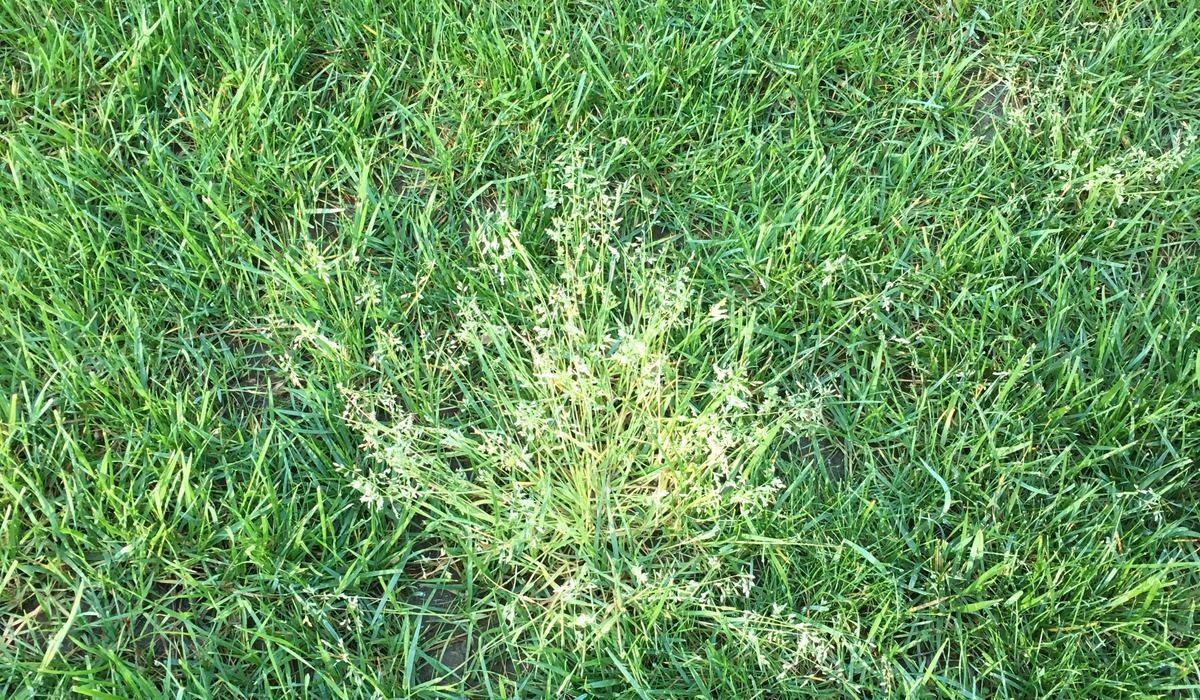
Poa annua often stands out because it looks brighter and lighter than surrounding fescue.
Poa Annua Control Charlotte, NC
Light-green patches in your fescue lawn are not just “weird grass.”
In many Charlotte lawns, they are poa annua, also called annual bluegrass. It shows up in spring, grows fast, throws seed heads, then dies in summer heat and leaves ugly bare spots behind.
That is what makes it so frustrating. You do not just need a weed sprayed. You need the cycle stopped.
Advanced Turf Care helps Charlotte-area homeowners control poa annua with a timed lawn care plan built around local weather, fescue turf, and Carolina growing conditions.
Pre-emergent timing helps reduce the next wave before it appears.
Spring cleanup targets active poa annua when treatment is appropriate.
Thicker turf helps reduce bare soil where poa annua comes back.
What Poa Annua Is and Why It Takes Over Charlotte Fescue Lawns
Poa annua is a winter annual grassy weed. That means it usually starts growing in late summer or fall, sits quietly through winter, and becomes obvious in spring.
Early Warning Sign
Poa annua often stands out because it looks brighter and lighter than surrounding fescue.
Spring Signal
Homeowners often notice poa annua in March, April, or May when seed heads appear above the lawn.
Uneven Growth
Poa annua can grow faster than fescue, making the lawn look uneven even shortly after mowing.
Summer Damage
When poa annua dies in summer heat, it can expose weak areas and leave thin or bare patches behind.
Why Poa Annua Keeps Coming Back
Poa annua is easy to confuse with crabgrass. The difference is timing. Poa annua shows up in cool weather and spring. Crabgrass shows up later, once heat builds.
Charlotte lawns are especially vulnerable because fescue grows in a tough transition-zone climate. Mild winters, warm springs, humid weather, compacted clay soil, and thin turf all create openings where poa annua can spread.
The key is timing. If the treatment window is missed, the weed has a chance to seed again.
Get a Poa Annua Control PlanOur Poa Annua Control Process
Poa annua control works best when it is planned before the lawn looks bad. That is why Advanced Turf Care uses a prevention-first approach.
The most important window usually happens when soil temperatures begin dropping toward the poa annua germination range.
In Charlotte, that often falls around mid-September to early October, depending on the season.
During this visit, Advanced Turf Care applies a professional pre-emergent treatment designed to help stop poa annua seeds before they become visible plants.
Charlotte weather is not always predictable. Warm spells, cold snaps, rain, and soil temperature swings can stretch the germination window.
A late-winter follow-up helps strengthen the prevention plan and reduce breakthrough growth.
This is especially helpful for lawns that have had heavy poa annua pressure before.If poa annua appears in spring, Advanced Turf Care can target active growth with the right treatment approach for your lawn.
The goal is to control existing plants before they keep spreading seed.
At this stage, we also look at the lawn around the weed because thin fescue, compacted soil, poor watering habits, low mowing, or weak fall growth can all make the problem come back.
Poa Annua Treatment Schedule
Timing can shift based on weather, soil temperature, and lawn condition. That is why local treatment matters.
| Treatment | Typical Timing | Target | Goal |
|---|---|---|---|
| Fall pre-emergent | Mid-September to early October | Poa annua seeds before they sprout | Reduce spring outbreaks |
| Late-winter support | Late winter, based on conditions | Extended germination pressure | Strengthen prevention |
| Spring cleanup | March to April, if needed | Visible poa annua growth | Control active weeds before more seed spread |
| Turf recovery plan | Fall and growing-season support | Thin fescue and bare spots | Build thicker grass that helps crowd weeds out |
What to Expect After Treatment
And it should not be sold that way.
After a spring cleanup treatment, visible poa annua may discolor as it declines. In some spots, you may notice thin areas or bare patches where the weed had been hiding weakness in the lawn.
That is normal. The long-term goal is not just to kill the light-green clumps. The goal is to help your fescue become thick enough to reduce future weed pressure.
Poa annua often takes more than one season to fully break down, especially if it has produced seed for years. But with the right plan, the lawn can move in the right direction.
Ask for a Recovery PlanWhy Choose Advanced Turf Care for Poa Annua Control?
Poa annua is not a weed you want treated on autopilot. The timing is too important. The lawn conditions matter too much.
Advanced Turf Care is a family-owned lawn care company serving the Charlotte area with turf programs built for local soil, weather, and fescue lawns. Owner Andrew Powell brings more than 20 years of hands-on turf experience to the way our programs are built and managed.
We also believe in clear communication. You should know what is being applied, why it matters, and what to expect after service.
And because Advanced Turf Care guarantees the work, you are not stuck wondering what happens if the treatment does not perform the way it should. We stand behind the service and make it right.
Talk With a Charlotte Lawn Care SpecialistWhat We Look At
Trusted Lawn Care in Charlotte
We target the weed you can see and help prevent the next wave of seeds from taking over again. Our work is backed by Advanced Turf Care’s guarantee, so you are not left guessing whether the job was done right.
Request Your Lawn AssessmentPoa Annua Control Service Areas
Advanced Turf Care provides poa annua control and lawn care services in select Charlotte-area communities.
Local timing matters because poa annua responds to soil temperature, weather patterns, and lawn conditions. A lawn in Denver may not behave exactly like a lawn in Weddington or Gastonia.
Check Service AvailabilityFrequently Asked Questions About Poa Annua Control
Have more questions? Call 704-800-5955 and talk with Advanced Turf Care before the next treatment window passes.
Talk to Advanced Turf CareNo. Poa annua is a cool-season grassy weed. It usually appears in winter and spring, then dies out when summer heat arrives.
Crabgrass is a warm-season grassy weed. It usually becomes a problem later in spring and summer.
If you see light-green clumps and seed heads early in the year, poa annua is often the issue. Not sure which weed you have? Call Advanced Turf Care and we’ll help identify it.
The best control starts in fall before the weed becomes visible. That is when pre-emergent treatment helps stop seeds from sprouting.
Spring treatment can help clean up visible poa annua, but prevention is the step that makes the biggest long-term difference.
If you wait until seed heads appear, the weed has already had a head start.
Advanced Turf Care uses products according to label directions and applies them with care.
As with most lawn treatments, we recommend keeping children and pets off the lawn until the application has dried or until your technician gives the all-clear instructions.
We will explain any re-entry guidance after service so you know exactly what to do.
One visit can help, but long-term poa annua control usually takes a planned approach.
The reason is simple: poa annua leaves seed behind.
A strong program focuses on prevention, cleanup, and turf recovery. That gives your lawn a better chance of staying thick and uniform instead of opening the door for another outbreak.
Advanced Turf Care guarantees the work and helps guide the lawn through the process.
Yes. In many cases, poa annua control works best when combined with a complete fescue lawn care plan.
Fertilization helps improve turf strength. Aeration can relieve compacted soil. Overseeding can fill thin areas where weeds have taken over.
The timing must be planned carefully, especially around pre-emergent treatments. That is why it helps to have one team managing the full schedule.
Poa annua dies when heat builds. When it dies, it exposes the weak or thin areas it was covering. That can leave brown patches or bare spots across the lawn.
Those bare spots can invite crabgrass, broadleaf weeds, and more poa annua later.
A good plan should control the weed and help the fescue recover.
Belmont, NC; Bethesda Oaks, NC; Charlotte, NC; Cramer Woods, NC; Cramerton, NC; Denver, NC; Gastonia, NC; Huntersville, NC; McAddenville, NC; Mt Holly, NC; Stanley, NC; and Weddington, NC.
Call 704-800-5955 to check availability for your address.
Ready to Stop the Poa Annua Cycle?
You do not have to spend another spring staring at light-green patches. You do not have to watch poa annua go to seed, die in the heat, and leave bare spots across your fescue lawn again.
Advanced Turf Care can identify the problem, build the right treatment plan, and help move your lawn toward thicker, cleaner, healthier turf.
No pressure. Just clear answers from a Charlotte turf specialist.


