You seed. You water. You fertilize.
For a few weeks, things may even look better. Then summer hits, bare spots show up again, weeds move in, and you start wondering what you did wrong.
If you live around Charlotte, the answer is often more complicated than buying another bag of grass seed.
North Carolina sits in what turf professionals call the transition zone. Our winters are cool enough to challenge warm-season grasses, while our summers are hot and humid enough to put cool-season grasses under serious stress.
Add Charlotte’s heavy clay soil, compacted new-construction lots, poor drainage, summer disease pressure, and unpredictable rainfall, and growing a good lawn becomes much more about choosing the right grass and managing it at the right time.
For many Charlotte-area homeowners, turf-type tall fescue is one of the strongest options.
It stays green through much of the cooler season, handles partial shade better than many warm-season grasses, and can produce a thick, attractive lawn when it is seeded and maintained correctly.
But fescue is not a grass you can throw down in any month and expect to succeed.
After more than 20 years working with turf, Andrew Powell, owner of Advanced Turf Care, has seen the same pattern again and again: good seed fails when the soil, timing, and establishment process are wrong.
The good news is that those problems can usually be fixed.
What Makes Fescue Different?
Tall fescue is a cool-season grass.
That means its strongest growth happens when temperatures are milder, especially during fall and spring.
While Bermuda and Zoysia thrive during hot Carolina summers, they normally lose their green color and go dormant during colder weather. Fescue does the opposite.
It stays active through much of the cooler part of the year, then faces its biggest test when North Carolina becomes hot and humid.
Fescue Also Grows Differently
Tall fescue is known as a bunch-type grass.
Instead of spreading aggressively through runners like Bermuda or Zoysia, individual fescue plants grow in clumps.
That matters because damaged areas do not always fill themselves back in.
If summer heat, disease, pets, traffic, or poor soil causes sections to thin, you may need to overseed those areas in fall to rebuild density.
If you’re still deciding which turf is right for your property, our guide to choosing the best grass seed for North Carolina lawns explains how the common options compare.
Why Fescue Works So Well for Many NC Lawns
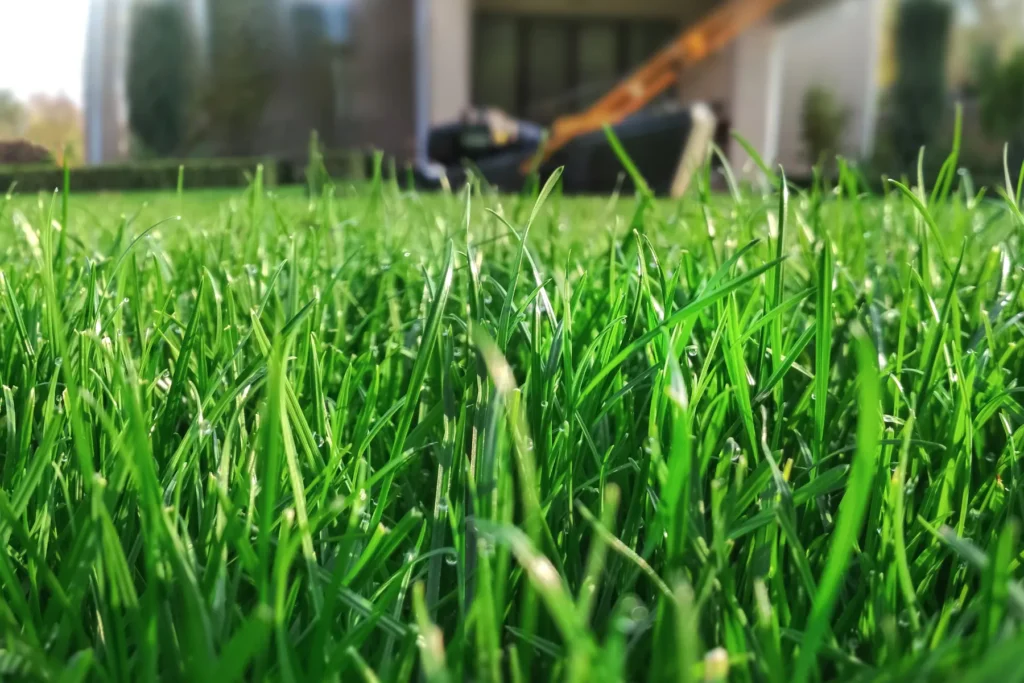
Fescue is not automatically the right grass for every property in North Carolina.
For many Piedmont lawns, though, it offers a useful balance between appearance, shade tolerance, traffic tolerance, and cool-season color.
Here are some of the biggest reasons homeowners choose it.
1. It Stays Green Through Much of the Cooler Season
This is one of fescue’s biggest advantages.
When Bermuda or Zoysia enters winter dormancy and turns tan or brown, a healthy fescue lawn can remain green.
That makes a major visual difference from late fall into spring.
Do not confuse that with a promise of a perfect green lawn 365 days a year. Fescue can struggle badly during a Charlotte summer if its roots are shallow, the soil is compacted, or disease becomes active.
The goal is not permanent perfection.
The goal is a healthy cool-season lawn that is strong enough to handle summer stress and recover when fall returns.
2. Fescue Handles Shade Well
Mature neighborhoods around Charlotte often have large trees.
That can make Bermuda difficult because Bermuda performs best with plenty of direct sunlight.
Tall fescue generally handles partial shade better, which makes it useful for yards with a mix of sunny and shaded areas.
Deep shade is still a problem. Grass needs light.
But in moderately shaded lawns, fescue often gives homeowners more flexibility.
3. It Creates a Thick, Attractive Lawn
Healthy turf-type tall fescue can develop a dense, dark green appearance.
That density does more than improve curb appeal.
A lawn with fewer open spaces leaves less room for many weeds to establish.
That does not mean fescue eliminates weeds. It simply means that maintaining turf density is part of good weed prevention.
4. It Can Handle Normal Family Use
Established fescue performs well under typical residential foot traffic.
Kids playing in the yard, pets moving across the lawn, and normal backyard use are usually manageable when the turf is healthy.
Constant heavy traffic is different.
Repeated traffic can compact the soil beneath the grass, reducing the air and water available to roots.
That is one reason core aeration and overseeding are so valuable for many Charlotte lawns.
Charlotte Has a Fescue Advantage and a Fescue Problem
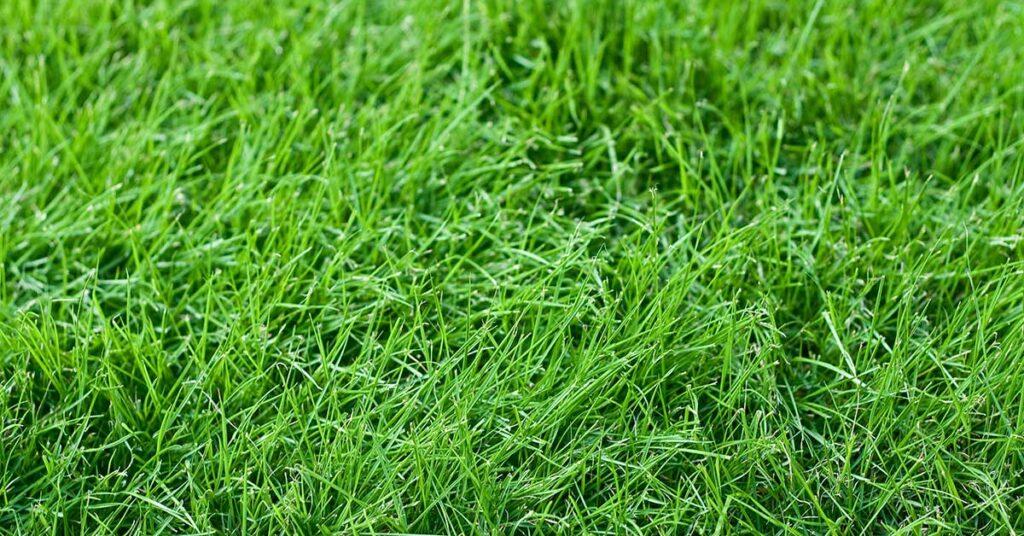
Charlotte sits in North Carolina’s Piedmont.
That makes fescue a good option, but it also puts the grass directly in the transition zone.
Spring and fall can be excellent for fescue.
July and August can be brutal.
The biggest summer pressures include:
- High daytime temperatures
- Warm nights
- High humidity
- Periods of drought
- Heavy rain and poor drainage
- Fungal disease
- Compacted clay soil
This is why a lawn can look excellent in April and rough by August.
The grass did not suddenly become “bad.”
It entered the hardest part of its yearly cycle.
Charlotte Red Clay Makes Establishment Harder
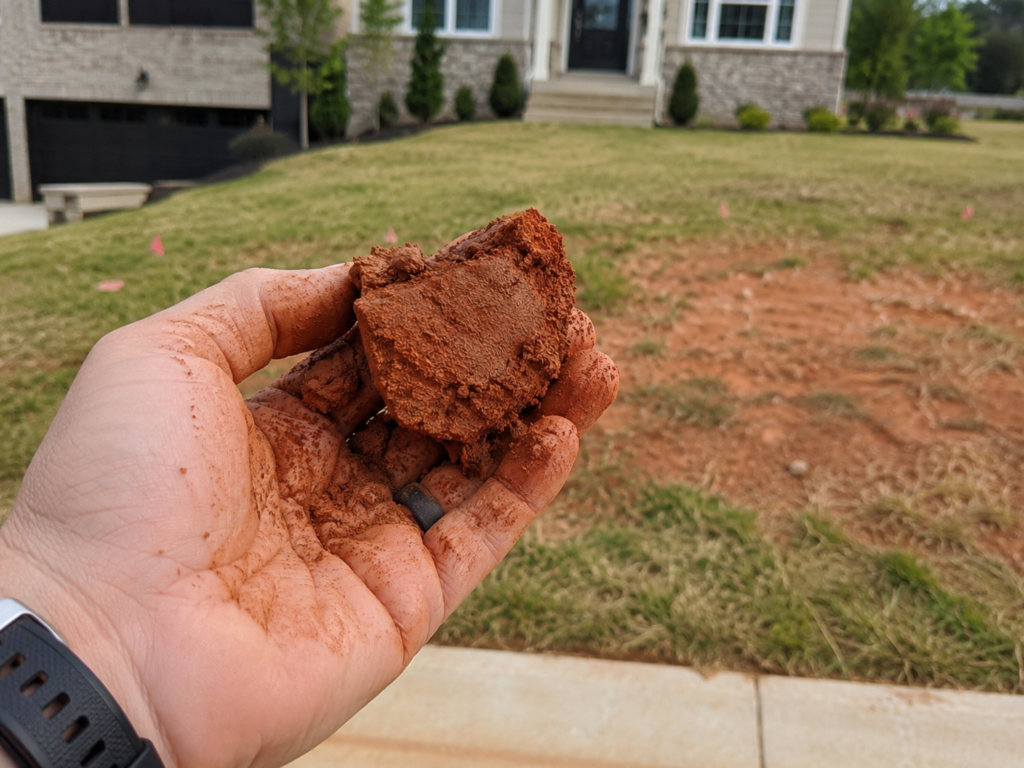
One of the biggest mistakes homeowners make is focusing entirely on the seed.
Seed matters, but the root zone matters more.
This is especially noticeable in newer Charlotte-area developments.
Heavy construction equipment can compress the soil before a homeowner ever moves in. In some yards, good topsoil has also been disturbed or reduced during construction.
You didn’t fail your lawn. In many cases, the soil was already working against you before you opened your first bag of seed.
Compacted clay creates several problems:
- Water has trouble soaking into the root zone.
- Roots struggle to grow deeply.
- Air movement through the soil decreases.
- Seed has difficulty making good soil contact.
- Water may sit near the surface after heavy rain.
- Grass becomes more vulnerable during dry weather.
Adding more seed every few months does not solve those problems.
You have to improve the conditions where that seed is trying to grow.
When Should You Seed Fescue in North Carolina?
Timing can make the difference between a thick stand of new grass and an expensive failure.
For Charlotte and much of the Piedmont, early fall is the main fescue seeding season.
NC State Extension places the Piedmont tall fescue renovation window around September 1 through October 1.
Why Fall?
Because several things begin working in your favor at once.
Soil Is Still Warm
Warm soil helps seed germinate.
The soil has stored heat from summer, even though air temperatures are beginning to fall.
Air Temperatures Become Easier on Seedlings
A newly germinated fescue plant is fragile.
Moderate fall temperatures allow that plant to establish without immediately facing the extreme heat of July.
Roots Have Time to Develop
Your new grass has fall, winter, and spring to build a stronger root system before the next Carolina summer arrives.
That extra establishment time matters.
There Is Less Summer Weed Pressure
Warm-season weeds begin slowing down as temperatures fall.
That gives young fescue fewer aggressive competitors during establishment.
What About Spring Seeding?
You can get fescue seed to germinate in spring.
The bigger question is whether those young plants will be mature enough to survive their first summer.
That is where spring seeding becomes risky in the Piedmont.
A plant seeded in March or April may have only a few months to develop roots before heat, drought, disease pressure, and summer weeds arrive.
NC State generally recommends fall establishment for Piedmont tall fescue rather than spring seeding.
Spring repair may make sense in certain situations, but for major renovation, fall gives you better conditions.
How to Seed Fescue Successfully in NC
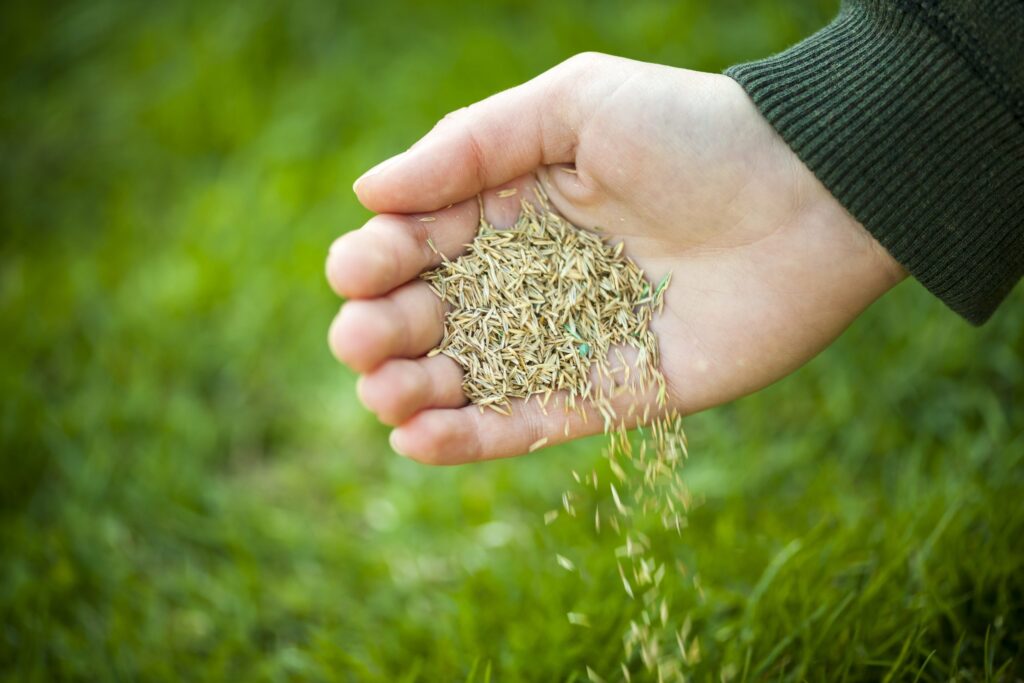
Buying premium seed is only one part of the process.
For the best results, treat seeding as a complete lawn renovation.
1. Start With the Soil
Before adding fertilizer, lime, or other amendments, find out what your soil actually needs.
A soil test can show:
- Soil pH
- Phosphorus levels
- Potassium levels
- Nutrient deficiencies
- Lime recommendations
This matters because nutrients can be present in the soil but still difficult for the grass to use when soil conditions are poor.
Do not guess at lime applications.
More lime is not automatically better.
Apply what the soil actually needs.
2. Deal With Major Weed Problems First
If weeds have taken over most of the lawn, simply spreading seed between them may give disappointing results.
Plan weed control around your seeding date.
Be especially careful with pre-emergent herbicides. Some products work by stopping seedlings from developing, which means they can also interfere with the grass seed you are trying to establish.
Always check the label for the specific product being used.
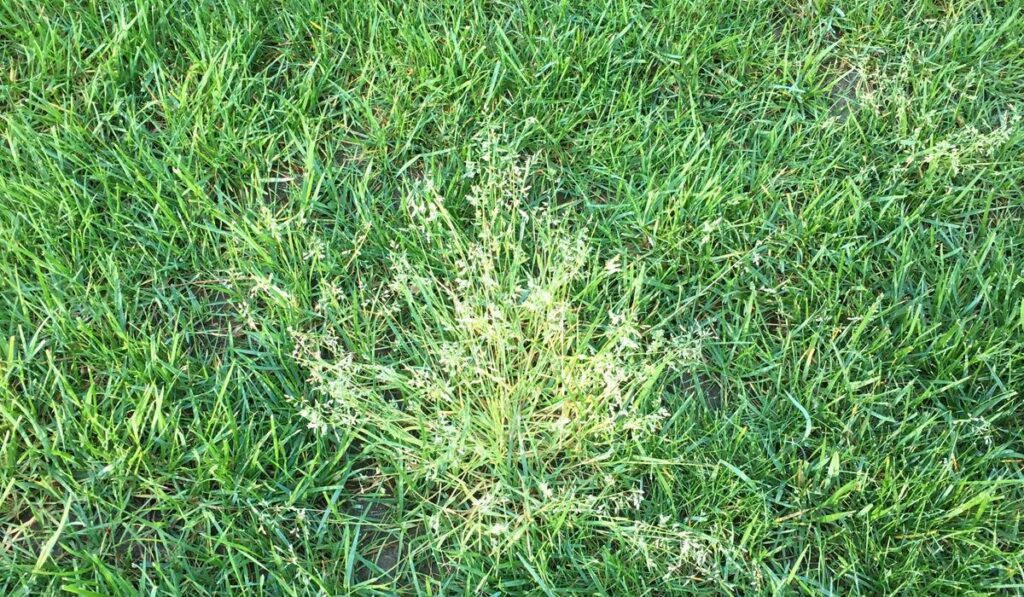
If your lawn struggles with the small light-green clumps that appear during cooler weather, learn how to identify and manage Poa annua in North Carolina lawns before assuming every grassy weed should be treated the same way.
3. Mow Before Renovation
Cut the existing turf shorter than your normal maintenance height before seeding.
This helps seed reach the soil instead of getting trapped above tall grass.
Remove heavy leaves and debris as well.
You want the seed reaching the ground.
4. Core Aerate Compacted Soil
This step is especially important on Charlotte clay.
A core aerator removes small plugs of soil from the lawn.
Those openings help relieve compaction while improving movement of water, oxygen, and nutrients into the root zone.
NC State recommends fall aeration for lawns exposed to heavy traffic or grown on clay soils.
Aeration also creates thousands of openings where seed can make direct contact with soil.
That contact is critical.
Seed sitting on top of thatch or trapped in existing grass is far less likely to establish evenly.
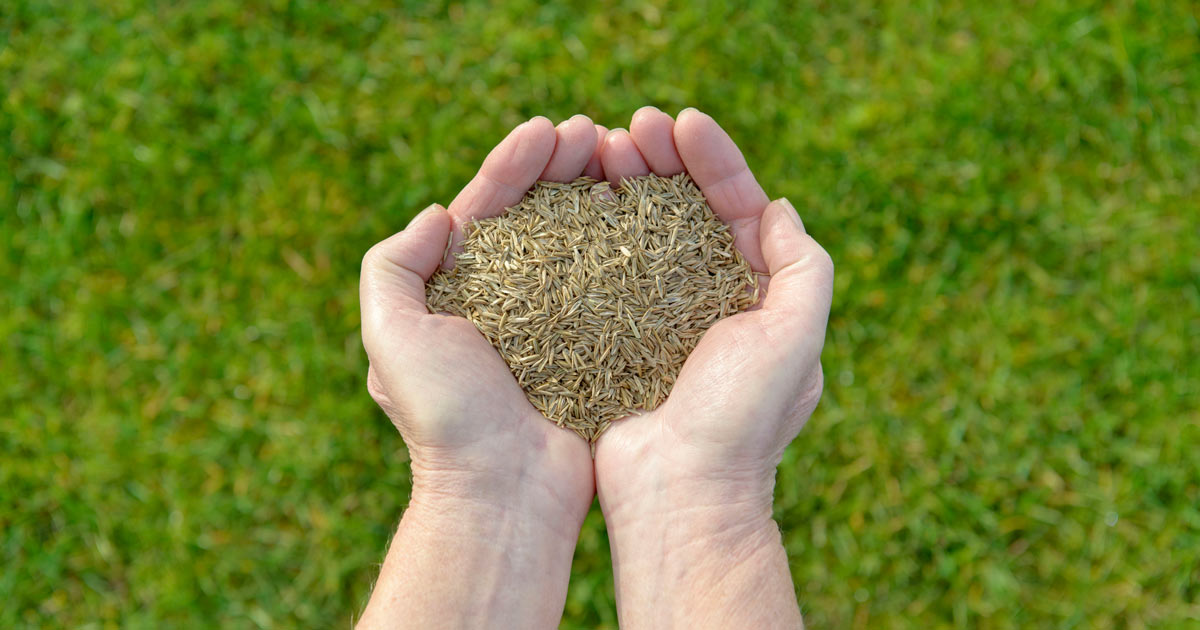
5. Choose Good Turf-Type Tall Fescue
Do not buy grass seed based only on the picture on the bag.
Read the seed label.
Look for high-quality turf-type tall fescue cultivars with good germination and low weed-seed content.
Improved cultivars may also provide better disease resistance, color, texture, or heat performance.
You may also see blends containing several tall fescue cultivars.
That diversity can be useful because each cultivar may handle stress a little differently.
Some homeowners also consider mixing cool-season grasses. If you are comparing those choices, see our breakdown of Kentucky bluegrass vs. turf-type tall fescue.
6. Apply Seed Evenly
For renovation, NC State recommends about 6 pounds of turf-type tall fescue seed per 1,000 square feet.
Do not dump the full amount into one pass.
A simple method is to split the seed into two portions.
Apply the first half in one direction.
Then apply the second half perpendicular to your first pass.
This cross-pattern helps reduce missed strips and heavy spots.
7. Fertilize Based on What the Soil Needs
A common mistake is automatically adding a heavy starter fertilizer because new seed is going down.
Use your soil test whenever possible.
NC State recommends following soil-test nutrient recommendations. When no test recommendation is available, a starter-type fertilizer may be used during renovation.
The important point is simple:
Feed the soil based on need, not habit.
8. Keep the Seedbed Moist
This is where many otherwise good seeding projects fail.
Fescue seed needs consistent moisture while it germinates.
The surface should stay damp, not flooded.
During dry weather, that may require several short watering cycles during the day.
NC State advises keeping the seedbed moist with light watering several times daily during establishment and not allowing seedlings to dry out.
Once the grass becomes established, watering should gradually shift toward deeper and less frequent irrigation.
9. Keep Traffic Off the Seedlings
Young grass plants are easy to damage.
Avoid unnecessary walking, heavy play, and repeated pet traffic while the lawn is establishing.
Give roots time to anchor.
10. Do Not Mow Too Early
Let the new grass establish enough height before the first cut.
Use a sharp mower blade and avoid removing too much leaf at once.
Once the lawn is mature, follow the one-third rule: never remove more than roughly one-third of the grass blade during a single mowing.
Fescue vs. Bermuda vs. Zoysia in NC
There is no single grass that wins every category.
Your property, sunlight, appearance goals, and willingness to manage seasonal stress all matter.
| Feature | Tall Fescue | Bermuda | Zoysia |
|---|---|---|---|
| Main growth season | Fall and spring | Summer | Summer |
| Winter color | Usually green | Dormant/brown | Dormant/brown |
| Summer heat tolerance | Moderate | Excellent | Excellent |
| Shade tolerance | Good | Limited | Moderate to good |
| Spreading ability | Bunch-type | Fast spreading | Spreading |
| Fall overseeding | Often helpful | Usually unnecessary | Usually unnecessary |
| Summer stress risk | Higher | Lower | Lower |
If winter color and partial shade matter to you, fescue can make a lot of sense.
If your property receives full sun and your priority is summer performance, Bermuda or Zoysia may deserve a closer look.
The right answer depends on the lawn.
The Biggest Fescue Problems in Charlotte
Choosing fescue does not remove lawn problems.
It changes which problems you need to manage.
Summer Heat and Drought
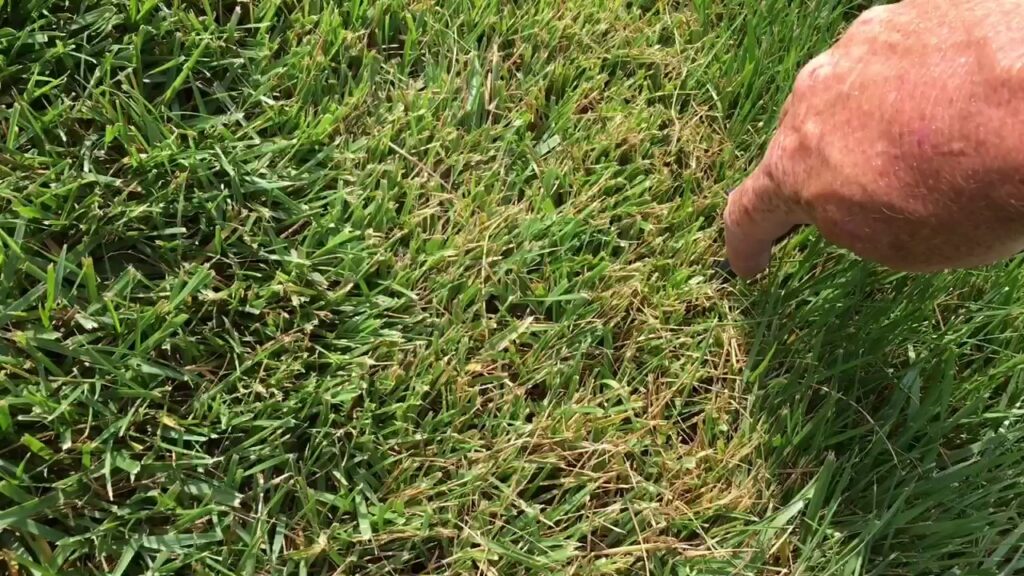
Charlotte summers can cause fescue to wilt, brown, and thin.
A healthy root system gives the lawn a better chance of handling that stress.
Established fescue should generally be watered deeply rather than receiving constant shallow irrigation.
During serious drought, homeowners may choose to allow established fescue to enter dormancy rather than trying to force constant top growth. NC State notes that dormant tall fescue still needs occasional water during extended drought.
Brown Patch
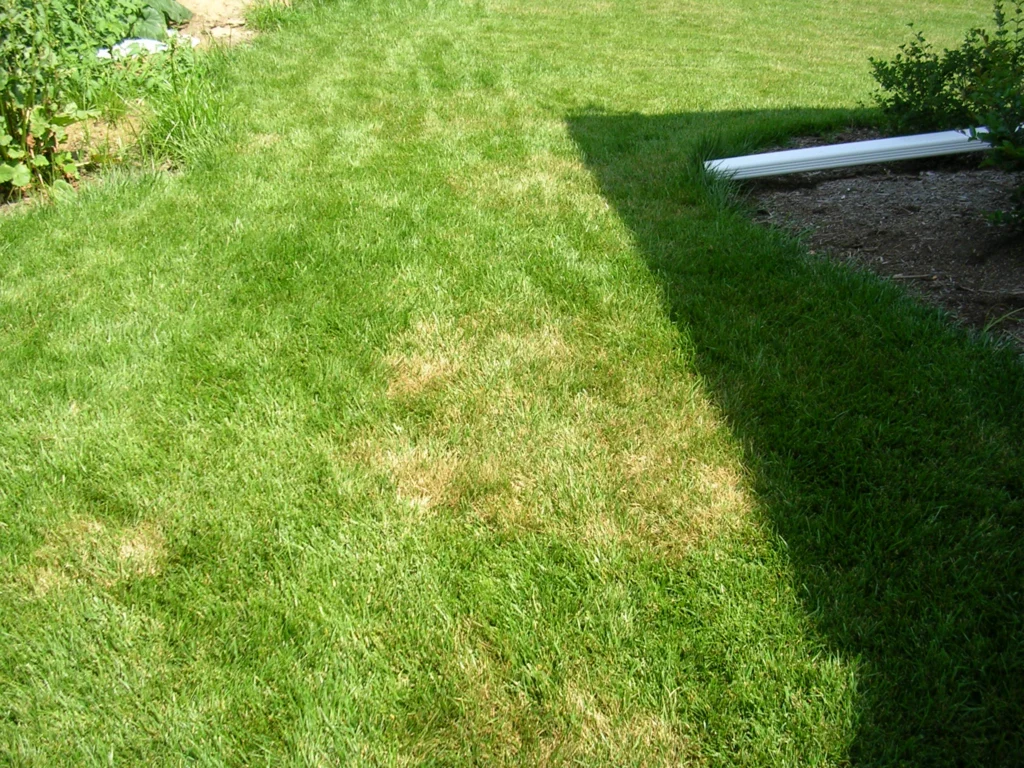
Warm temperatures plus moisture create excellent conditions for brown patch.
You may notice expanding tan or brown areas during hot, humid weather.
Frequent evening watering can make the problem worse because grass blades remain wet for too long.
NC State notes that prolonged leaf wetness, high humidity, overwatering, poor drainage, and late-day irrigation can all increase brown patch severity.
Watering early in the morning and avoiding excessive summer nitrogen can reduce disease pressure.
If brown patch becomes severe or returns year after year, proper diagnosis matters before applying fungicides.
Grubs
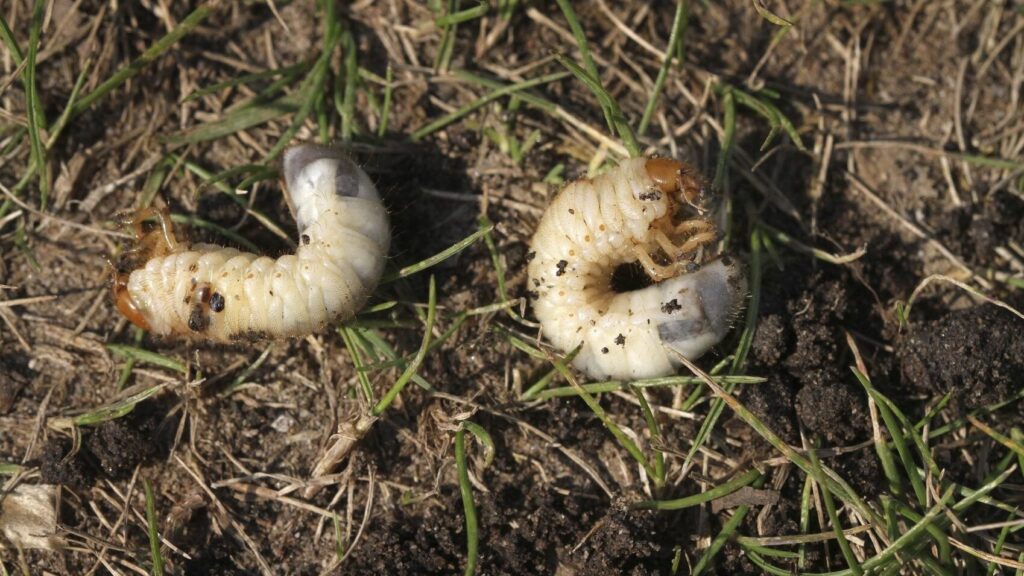
Grubs live beneath the soil and feed on turf roots.
When populations become high enough, damaged grass may thin, brown, or pull away from the soil more easily because the root system has been eaten.
Do not assume every brown patch is caused by grubs.
Heat, drought, fungus, poor soil, and irrigation problems can produce similar symptoms.
Inspect first. Treat second.
Weeds
A thin lawn leaves open soil where weeds can establish.
That is why weed control and turf density should be viewed together.
Killing a weed without fixing the reason grass disappeared often leaves another open space for the next weed.
Healthy soil, proper mowing, correct fertilization, fall overseeding, and timely weed control work together.
How to Keep Fescue Thick After It Is Established
Getting seed to germinate is only the first step.
The long-term goal is keeping enough healthy grass alive that you are not rebuilding the entire lawn every fall.
Fall
Fall is your main recovery season.
Focus on:
- Soil testing when needed
- Core aeration
- Overseeding thin areas
- Correcting soil problems
- Fall fertilization
- Rebuilding turf density
Winter
Growth slows, but fescue often keeps its green appearance.
Avoid unnecessary traffic on frozen or saturated soil.
Watch for drainage problems that become obvious during periods of heavy winter rain.
Spring
Spring is about helping the lawn enter summer in good condition.
Maintain proper mowing height, address weeds carefully, and avoid pushing excessive soft growth with unnecessary fertilizer.
A lawn that looks extremely dark green because it was heavily fertilized is not automatically healthier.
Summer
Think survival.
Mow higher, water intelligently, watch for disease, and avoid unnecessary stress.
NC State’s tall fescue guidance raises mowing height during summer and recommends either watering for drought stress or allowing established turf to enter dormancy.
Do not expect July fescue to behave like April fescue.
Does Fescue Need to Be Overseeded Every Year?
Not every lawn needs the same amount of seed every fall.
But because tall fescue grows in bunches rather than spreading aggressively, thin areas may not repair themselves.
Look at your lawn after summer.
If it is still dense, you may need very little renovation.
If heat, disease, traffic, or drought created large gaps, fall overseeding can restore density before weeds occupy those spaces.
The key is not overseeding simply because the calendar says September.
Overseed because the lawn needs density restored.
When Does Professional Fescue Seeding Make Sense?
DIY seeding can work well when the soil is reasonably healthy and the lawn only needs minor repair.
Professional help becomes more useful when the problem is bigger than spreading seed.
Consider getting help when:
- Large parts of the lawn are bare.
- The soil is heavily compacted.
- Water sits on the surface.
- Several years of overseeding have failed.
- You cannot identify why the turf keeps dying.
- Brown patch repeatedly damages the lawn.
- Weeds dominate thin areas.
- The property requires large-scale core aeration and seeding.
- You are unsure how to correct soil-test results.
At Advanced Turf Care, we approach fall seeding as a turf-management problem, not simply a seed application.
That means looking at soil condition, compaction, turf density, disease history, weed pressure, timing, seed-to-soil contact, and establishment care together.
Sometimes the lawn needs more seed.
Sometimes it needs better soil conditions first.
Knowing the difference can save you another season of frustration.
Want Better Fescue Density This Fall?
Give new seed the best possible start with a properly timed overseeding plan.
Explore OverseedingSo, Should You Consider Fescue Seeding in NC?
If you live around Charlotte and want a lawn that performs well through the cooler months, handles some shade, and maintains strong curb appeal for much of the year, turf-type tall fescue is worth serious consideration.
Just remember one thing.
Successful fescue seeding is not really about spreading seed.
It is about creating the conditions that allow that seed to survive.
Start with the soil.
Relieve compaction when needed.
Use good seed.
Seed during the correct fall window.
Keep the seedbed consistently moist during germination.
Then manage the lawn with North Carolina’s seasons instead of fighting against them.
That is how a thin, frustrating lawn becomes a thicker and more dependable one.
And if you have already tried seeding several times without getting the result you expected, do not assume another bag of seed is the answer.
Look underneath the grass first.
The soil usually tells you what to fix next.
Want Better Fescue Density This Fall?
Give new seed the best possible start with a properly timed overseeding plan.
Explore Overseeding