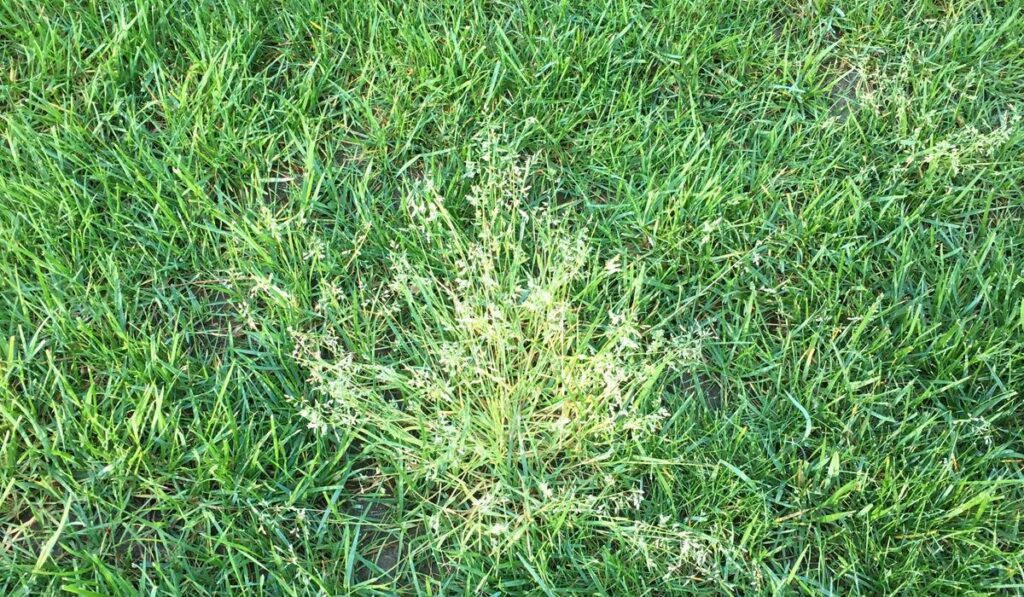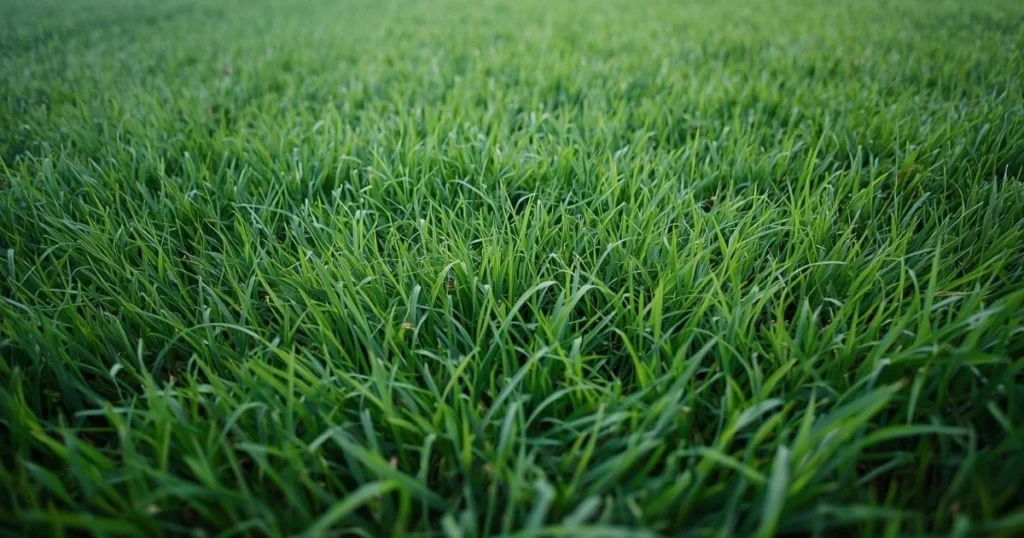
North Carolina’s Unique Climate & The Transition Zone
You’re watering, mowing, and doing everything right — yet your lawn still looks patchy and stressed. In North Carolina, that’s not a personal failure. It’s a geography problem.
NC sits in what turfgrass scientists call the transition zone — a climatic no man’s land where summers are too hot for cool-season grasses and winters are too cold for warm-season ones. No single grass type thrives perfectly statewide, which is exactly why so many homeowners end up with the wrong grass for their yard.
This guide fixes that. You’ll learn which grasses actually perform in NC, how to match them to your specific region, and how to care for them through every season.
North Carolina’s Transition Zone: What It Means for Your Lawn
North Carolina spans three distinct regions — the Mountains, Piedmont, and Coastal Plain — each with its own temperature range, humidity level, and soil type. A grass that thrives in Wilmington can fail completely in Boone.
- Mountains: Cooler summers, colder winters → favors cool-season grasses
- Piedmont: Hot summers, moderate winters → true transition zone, hardest to manage
- Coastal Plain: Hot, humid summers, mild winters → favors warm-season grasses
Warm-Season vs. Cool-Season Grasses: The Core Difference
| Warm-Season | Cool-Season | |
|---|---|---|
| Peak Growth | Late spring through summer | Fall through early spring |
| Optimal Temp | 75–90°F | 60–75°F |
| Winter Behavior | Goes dormant, turns brown | Stays green |
| Summer Behavior | Thrives | Struggles, may go dormant |
Choosing the wrong category for your region is one of the most common — and most costly — mistakes NC homeowners make.
Understanding Warm-Season Grasses for North Carolina
Warm-season grasses are built for heat. They green up as temperatures climb in late spring, hit peak performance through summer, then go dormant and brown once temperatures drop below 50°F in fall.
For most of the Piedmont and Coastal Plain, they’re the natural fit.
Key Characteristics at a Glance
Benefits:
- Thrive in NC’s hot, humid summers (optimal range: 75–90°F)
- Generally more drought-tolerant and heat-resistant than cool-season varieties
- Lower water demand during peak growing season
Drawbacks:
- Turn brown and go dormant in winter — expect 3–4 months without green color
- Require different fertilization timing (late spring through summer only)
- Some varieties are sensitive to late-season cold snaps and fungal disease
Best regions in NC: Piedmont and Coastal Plain. Most warm-season grasses struggle to survive the harsher winters in the NC Mountains.
According to NC State Extension’s turfgrass research, warm-season grasses perform best in NC when established in late spring after soil temperatures consistently reach 65°F or above — rushing establishment leads to poor rooting and increased disease risk.
Profiles: Key Warm-Season Grasses for North Carolina
Bermuda Grass

The most widely used warm-season grass in NC — and for good reason. Bermuda is tough, fast-recovering, and handles heat and foot traffic better than almost any other variety.
Profile:
- Texture: Fine to medium; dense, carpet-like appearance
- Spread: Aggressive — via both above-ground stolons and below-ground rhizomes
- NC Region: Piedmont and Coastal Plain
| Performance Factor | Rating |
|---|---|
| Drought Tolerance | ⭐⭐⭐⭐⭐ |
| Disease Resistance | ⭐⭐⭐ |
| Traffic Tolerance | High |
| Optimal Soil pH | 6.0–6.5 |
Best for: Full-sun lawns, high-traffic yards, homeowners who want a dense, manicured look.
Watch out for: Bermuda spreads aggressively into flower beds and neighboring lawns. It also requires frequent mowing and annual dethatching to stay healthy.
Zoysia Grass
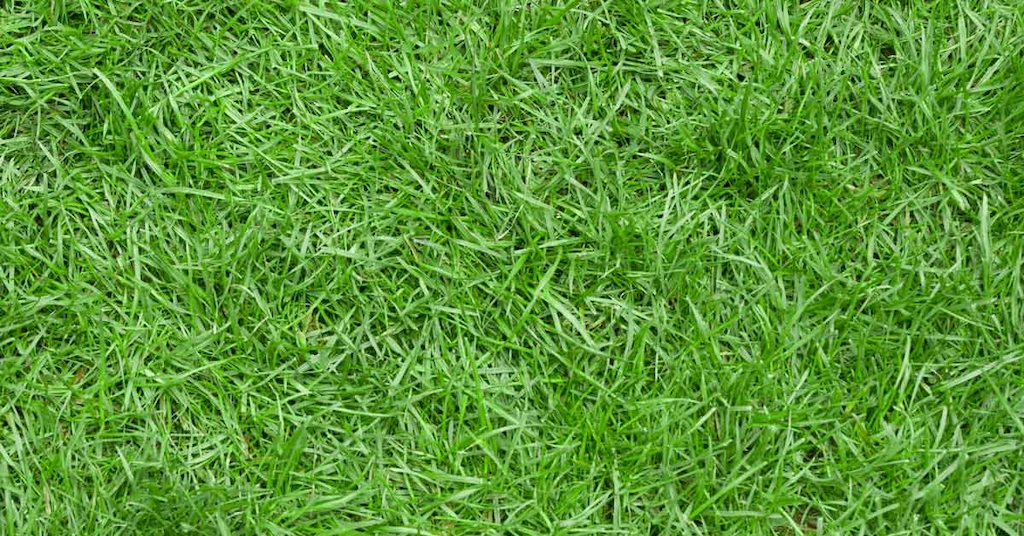
Zoysia is the premium choice for NC homeowners who want a dense, soft lawn with lower weekly mowing demands. It’s slower to establish than Bermuda, but once it’s in — it crowds out weeds naturally.
Profile:
- Texture: Medium to fine; thick and cushion-like underfoot
- Spread: Slow — via stolons and rhizomes
- NC Region: Piedmont and Coastal Plain
Strengths:
- Handles partial shade better than Bermuda
- Dense growth naturally suppresses weed pressure
- Good drought tolerance once established
Weaknesses:
- Slow to establish (expect 2–3 seasons for full coverage)
- Prone to thatch buildup — plan for annual dethatching
- Still goes dormant and browns in winter
Best for: Homeowners who want a low-mow, high-quality lawn and are willing to wait for establishment.
Centipede Grass
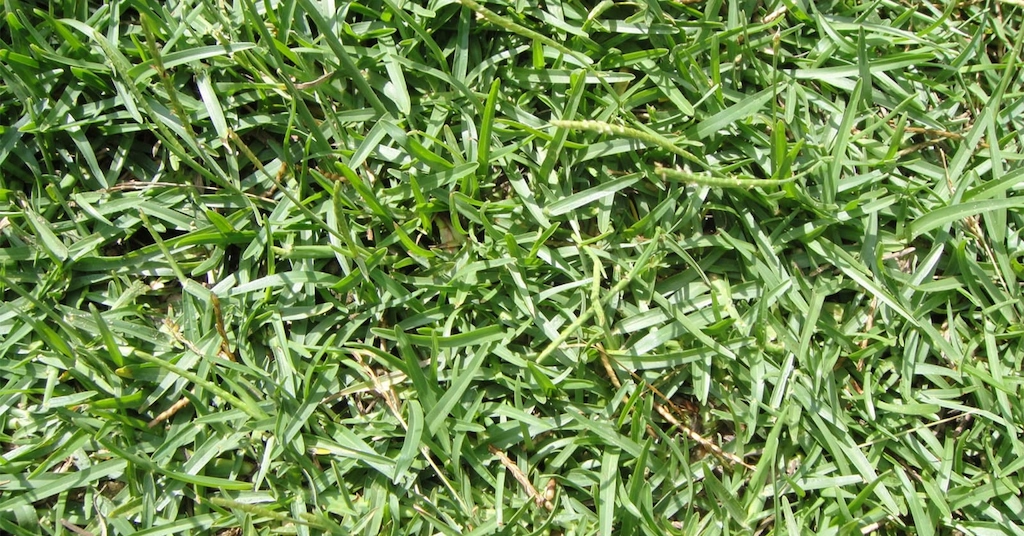
If low maintenance is your priority, centipede is worth serious consideration. It’s sometimes called the “lazy man’s grass” — and that’s not an insult. It genuinely needs less fertilizer and mowing than most other warm-season options.
Profile:
- Texture: Coarse; distinctive apple-green color
- Spread: Slow — via stolons only
- NC Region: Coastal Plain and warmer parts of the Piedmont
Strengths:
- Very low fertilizer needs — over-fertilizing actually harms it
- Requires infrequent mowing
- Handles light shade reasonably well
Weaknesses:
- Poor traffic tolerance — not a good fit for yards with kids or pets constantly running through
- Struggles in prolonged drought
- Prone to iron deficiency in high-pH soils (yellowing is a common complaint)
Best for: Low-traffic yards in the Coastal Plain where the owner wants a manageable, low-input lawn.
St. Augustine Grass
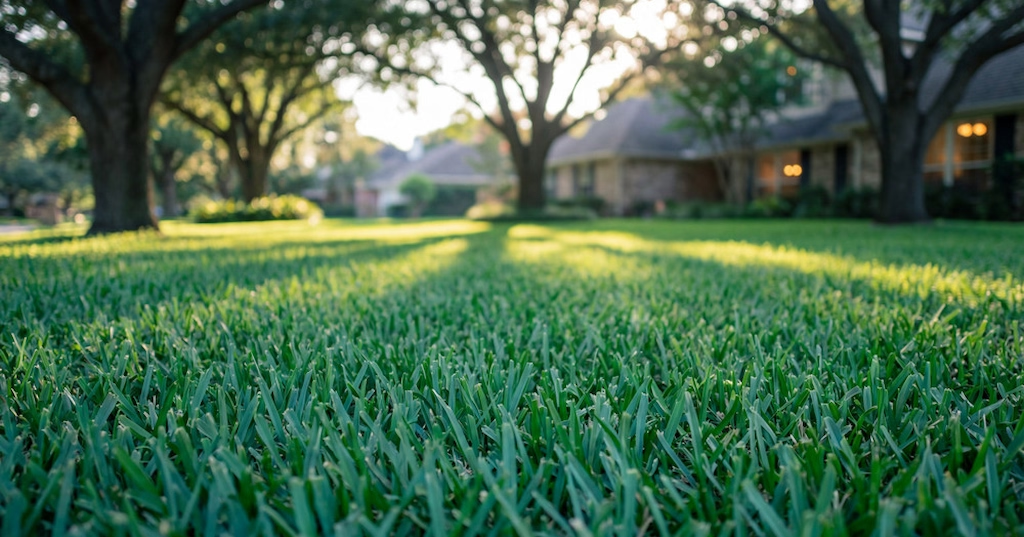
St. Augustine is NC’s shade champion among warm-season grasses. Its broad, coarse blades form a thick, lush canopy — but it needs consistent moisture and regular attention to stay healthy.
Profile:
- Texture: Coarse; broad blades, dense growth
- Spread: Via thick above-ground stolons
- NC Region: Southeastern Coastal Plain (warmer areas only)
Strengths:
- Best shade tolerance of any warm-season grass in NC
- Establishes quickly from sod
- Lush, full appearance when properly maintained
Weaknesses:
- Moderate drought tolerance — needs reliable irrigation
- Highly susceptible to chinch bugs, which are a serious problem in NC’s Coastal Plain
- Not cold-hardy enough for the Piedmont or Mountains
Best for: Shaded yards in southeastern NC where Bermuda or Zoysia won’t perform.
Bahia Grass
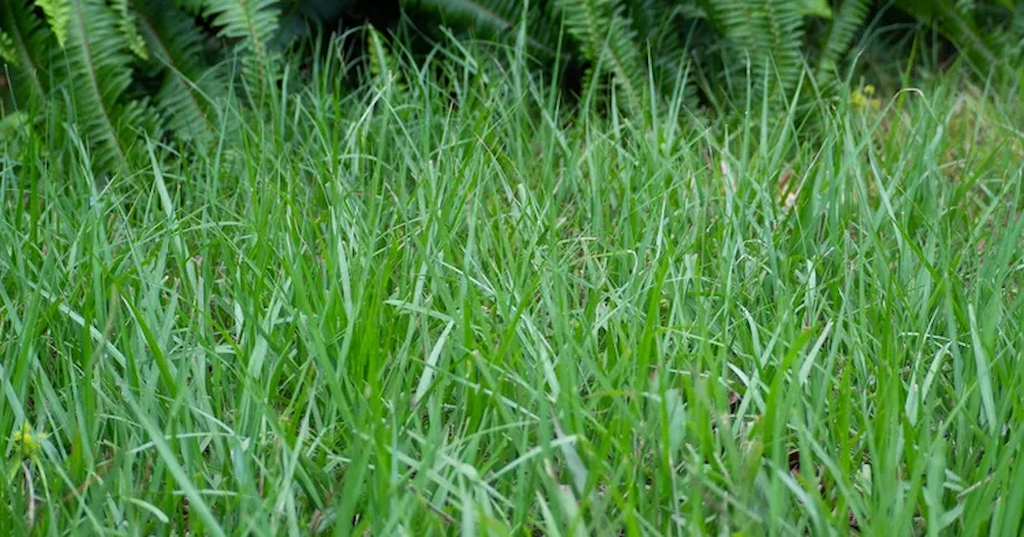
Bahia is built for neglect. It’s the go-to option for large, low-input properties on the Coastal Plain — especially where sandy, nutrient-poor soils make other grasses difficult to establish.
Profile:
- Texture: Coarse; open, somewhat sparse growth habit
- Spread: Via stolons and rhizomes; deep root system
- NC Region: Primarily the Coastal Plain
Strengths:
- Exceptional drought tolerance — deep roots access moisture other grasses can’t reach
- Thrives in poor, sandy soils where other grasses fail
- Very low maintenance and fertilizer needs
Weaknesses:
- Coarse, open growth looks less refined than Bermuda or Zoysia
- Produces tall seed heads that need frequent mowing to control appearance
- Not suitable for the Piedmont or Mountains
Best for: Large acreage, utility lawns, or properties with poor sandy soil in the Coastal Plain.
Understanding Cool-Season Grasses for North Carolina
Cool-season grasses do the opposite of warm-season varieties. They thrive in fall and spring, stay green through winter, and struggle — sometimes severely — through NC’s hot, humid summers.
In the right region, they’re excellent. In the wrong one, they’re a constant battle.
Key Characteristics at a Glance
Benefits:
- Thrive in cooler temps (optimal range: 60–75°F)
- Stay green through fall, winter, and early spring
- Better shade tolerance than most warm-season grasses
Drawbacks:
- Summer is their weak point — heat and humidity cause thinning, browning, and disease
- Require more irrigation during summer stress periods
- Highly susceptible tobrown patch fungus during NC’s warm, wet summers
Best regions in NC: Mountains and northern Piedmont. Cool-season grasses planted in the Coastal Plain or southern Piedmont face serious summer survival challenges.
Turfgrass specialists at NC State Extension note that managing cool-season grasses through a Piedmont summer requires proactive disease prevention, careful irrigation timing, and avoiding excess nitrogen in late spring — common mistakes that accelerate summer decline.
Profiles: Key Cool-Season Grasses for North Carolina
Tall Fescue
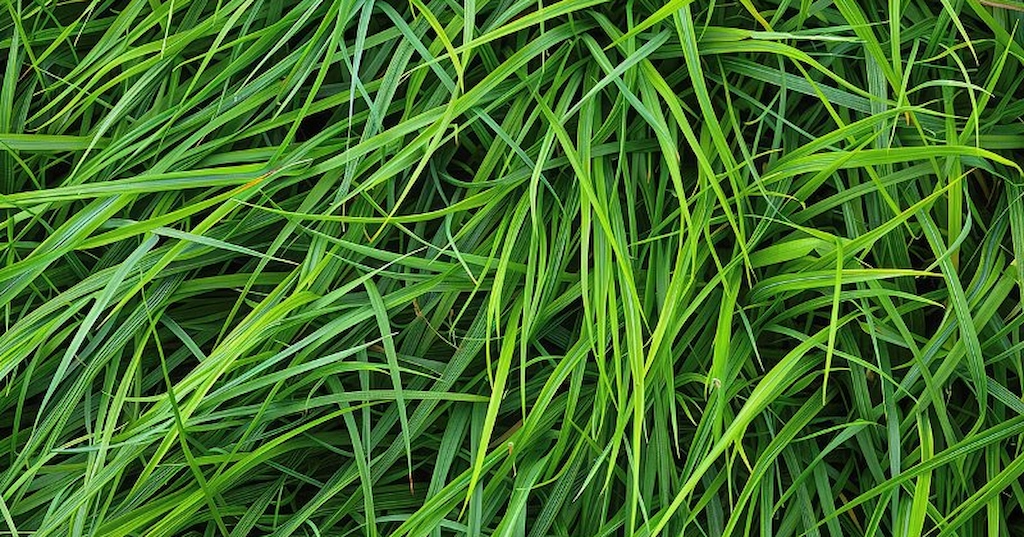
Tall fescue is the most widely grown cool-season grass in North Carolina — and the only cool-season variety that holds up reasonably well through Piedmont summers. Its deep root system gives it a survival advantage that other cool-season grasses simply don’t have.
Profile:
- Texture: Medium to coarse; dark green, upright blades
- Spread: Bunch-type — clumps rather than spreading, so it won’t fill bare spots on its own
- NC Region: Piedmont and Mountains (most versatile cool-season option statewide)
| Performance Factor | Rating |
|---|---|
| Drought Tolerance | ⭐⭐⭐⭐ |
| Disease Resistance | ⭐⭐⭐ |
| Traffic Tolerance | Good |
| Optimal Soil pH | 5.5–6.5 |
Strengths:
- Best shade tolerance of any cool-season grass in NC
- Stays green October through April — strong curb appeal in winter
- Deep roots improve summer drought survival compared to other cool-season options
Weaknesses:
- Does not self-repair — bare spots require overseeding every fall
- Vulnerable to brown patch fungus in summer heat
- Needs consistent summer irrigation to avoid thinning
Best for: Piedmont and Mountain homeowners who want year-round green color and can commit to annual fall overseeding.
Kentucky Bluegrass
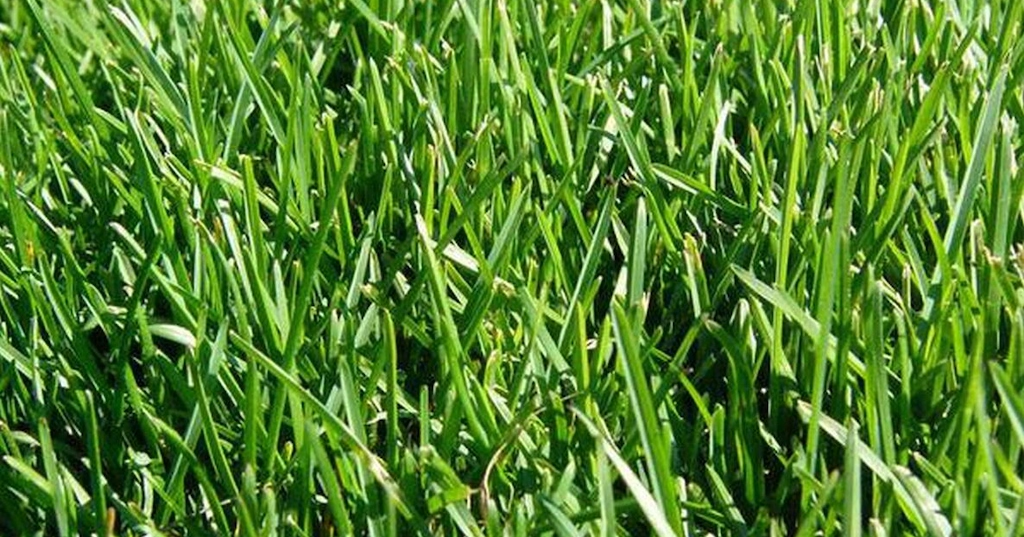
Kentucky bluegrass is a premium cool-season grass — fine-textured, dense, and visually striking. But in North Carolina, it’s a high-maintenance commitment, and it’s only truly suited for the cooler Mountain region.
Profile:
- Texture: Medium to fine; distinctive boat-shaped leaf tip
- Spread: Aggressive via rhizomes — self-repairs better than tall fescue
- NC Region: Mountains and cooler areas of the northern Piedmont only
Strengths:
- Self-spreading — fills in bare spots without overseeding
- Dense, high-quality appearance
- Good traffic tolerance
Weaknesses:
- Struggles significantly through Piedmont summers — heat and humidity cause rapid decline
- Poor shade tolerance — needs full sun
- High water and fertility demands year-round
Best for: Mountain homeowners with full-sun yards who want a premium, self-repairing lawn and can manage the irrigation and fertilization requirements.
Perennial Ryegrass
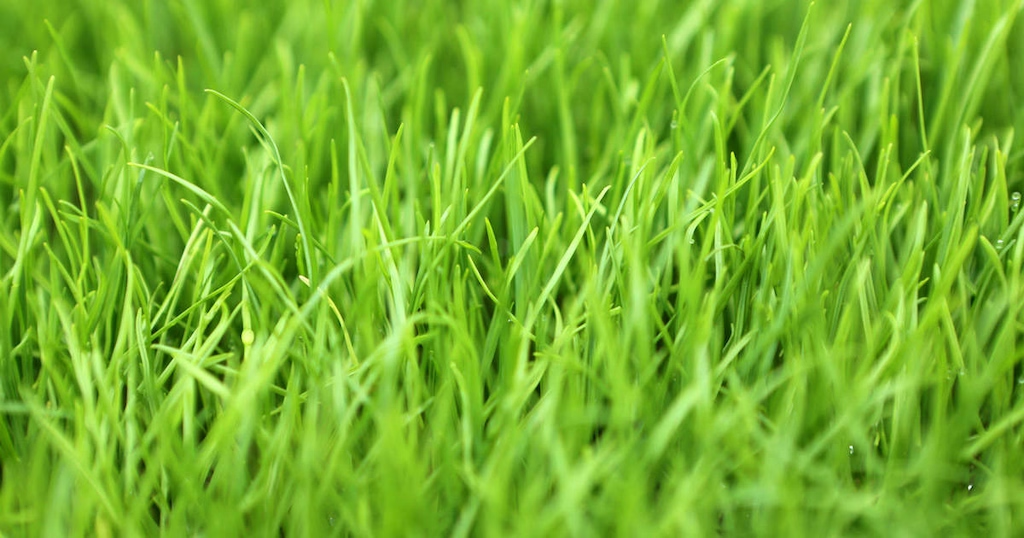
Perennial ryegrass isn’t typically a permanent lawn solution in North Carolina. It establishes faster than almost any other grass — germinating in 5–7 days — but it lacks the heat and drought tolerance to survive as a standalone lawn in most of NC.
Profile:
- Texture: Fine; dark green, shiny leaf surface
- Spread: Bunch-type — no lateral spreading
- NC Region: Primarily used for overseeding; permanent use limited to high-elevation Mountain areas
Strengths:
- Fastest establishment of any cool-season grass
- Excellent traffic tolerance right out of the gate
- Ideal for overseeding dormant warm-season lawns for winter color
Weaknesses:
- Poor heat and drought tolerance — summer survival in NC is limited
- Not a viable permanent lawn in the Piedmont or Coastal Plain
- Short-lived as a standalone grass in most NC conditions
Best for: Overseeding bermuda or zoysia lawns in fall for temporary winter green color, or permanent use in high-elevation Mountain locations with cooler summer temperatures.
Regional Considerations: Choosing the Right Grass for Your NC Region
North Carolina is not one climate — it’s three. What works in Asheville won’t work in Charlotte, and what thrives in Wilmington may die in Boone. Before choosing a grass type, know your region.
The Mountains (Western NC)
Climate: Cooler summers, cold winters, higher elevations, more defined seasons. Some areas see significant snowfall and extended freezes.
Best Grass Options:
- Tall Fescue — most reliable choice; handles the cooler temps and shade from surrounding terrain
- Kentucky Bluegrass — excellent in full-sun Mountain yards; self-repairs and stays dense
- Perennial Ryegrass — works well at higher elevations; also useful for overseeding
Key Considerations:
- Winter hardiness is critical — most warm-season grasses won’t survive Mountain winters reliably
- Summer moisture is generally more available here, reducing irrigation demand
- Shade from trees and terrain is common — prioritize shade-tolerant varieties like tall fescue
Bottom line: Stick with cool-season grasses. Warm-season varieties are too cold-sensitive for most Mountain elevations.
The Piedmont (Central NC)
Climate: Hot, humid summers. Cold but not extreme winters. This is NC’s true transition zone — and the hardest region to manage a lawn in.
Best Grass Options:
- Tall Fescue — most popular choice; stays green year-round and handles Piedmont conditions better than other cool-season grasses
- Zoysia — excellent for full-sun Piedmont yards; dense, drought-tolerant, and low-mow once established
- Bermuda — thrives in full sun; best option for high-traffic Piedmont lawns
Key Considerations:
- Cool-season grasses (tall fescue) face real summer stress — brown patch disease, thinning, and drought pressure are common from June through August
- Warm-season grasses (zoysia, bermuda) go dormant and brown in winter — acceptable for some homeowners, frustrating for others
- Soil in the Piedmont is often red clay — compacted, slow-draining, and low in organic matter — which affects both grass selection and care practices
“In the Piedmont, Tall Fescue is often chosen for its year-round green color, but managing summer heat stress is the real challenge. For full-sun areas, Zoysia or Bermuda offer excellent heat and drought tolerance once established.” — NC Cooperative Extension Turfgrass Guidance
Bottom line: Tall fescue for year-round green. Zoysia or Bermuda for full-sun, low-water, low-mow performance. Your priorities — color vs. drought tolerance vs. maintenance — drive the decision.
Choose Your North Carolina Region
Select your region to see the best grass types, sunlight fit, and care priorities for your lawn.
Mountains
Cooler summers, colder winters, higher elevations, and more shade from trees and terrain.
Best Grass Options
- Tall Fescue
- Kentucky Bluegrass
- Perennial Ryegrass
Sun & Shade Fit
- Tall Fescue for mixed sun and shade
- KBG for full-sun mountain yards
- Ryegrass for higher elevation overseeding
Care Priorities
- Prioritize winter hardiness
- Avoid most warm-season grasses
- Choose shade-tolerant varieties under heavy tree cover
Piedmont
Hot, humid summers, mild-to-cold winters, red clay soil, and true transition-zone stress.
Best Grass Options
- Tall Fescue
- Zoysia
- Bermuda
Sun & Shade Fit
- Tall Fescue for year-round green
- Zoysia for sunny, lower-mowing lawns
- Bermuda for sunny, high-traffic areas
Care Priorities
- Watch for brown patch in Tall Fescue
- Manage compacted red clay soil
- Expect warm-season grass dormancy in winter
Coastal Plain
Hot, humid summers, mild winters, sandy soils, fast drainage, and possible salt exposure.
Best Grass Options
- Bermuda
- Zoysia
- Centipede
- St. Augustine
- Bahia
Sun & Shade Fit
- Bermuda and Zoysia for sunny coastal lawns
- St. Augustine for shaded coastal yards
- Bahia for large, sandy, low-input properties
Care Priorities
- Adjust fertilizer for sandy soil
- Watch for fungal pressure in humidity
- Use salt-tolerant grasses near the ocean
The Coastal Plain (Eastern NC)
Climate: Hot, humid summers. Mild winters. Sandy, often nutrient-poor soils. Coastal areas add salt exposure into the equation.
Best Grass Options:
- Bermuda — top performer; handles heat, humidity, and sandy soil well
- Zoysia — dense and durable; a premium option for coastal homeowners
- Centipede — ideal low-maintenance choice for properties that don’t see heavy foot traffic
- St. Augustine — best for shaded coastal yards, especially in southeastern NC
- Bahia — best for large properties or poor sandy soils where other grasses struggle
Key Considerations:
- Sandy soils drain fast — water and nutrients move through quickly, requiring adjusted fertilization and irrigation strategies
- High humidity increases disease pressure — fungal issues are more common here than in drier climates
- Coastal properties near the ocean should prioritize salt-tolerant varieties; Bermuda and Zoysia handle salt exposure better than Centipede or St. Augustine
- Mild winters mean warm-season dormancy is shorter — lawns green back up earlier in spring
Bottom line: Warm-season grasses dominate the Coastal Plain. The real choice is between a premium, high-performance option (Bermuda, Zoysia) and a low-input one (Centipede, Bahia) based on your maintenance preference and yard conditions.
Key Factors to Consider When Selecting a Grass Type
Picking a grass based on how it looks in photos is one of the most common mistakes NC homeowners make. The right grass isn’t the prettiest one — it’s the one that matches your specific yard conditions.
Work through these seven factors before making a decision.
1. Sun Exposure
Walk your yard at different times of day and count actual sunlight hours.
- Full sun (6+ hours): Bermuda, Zoysia, Kentucky Bluegrass, Bahia
- Partial shade (3–6 hours): Zoysia, Tall Fescue, St. Augustine, Centipede
- Dense shade (under 3 hours): No grass thrives — consider ground covers or mulch
2. Soil Type & pH
Your soil determines how well any grass establishes and responds to fertilizer.
- Clay soil (common in the Piedmont): Compacts easily, drains slowly — aeration is essential
- Sandy soil (common in the Coastal Plain): Drains fast, low nutrient retention — needs adjusted feeding
- pH matters: Most grasses prefer 6.0–6.5; centipede prefers slightly lower (5.0–6.0)
Get a soil test before seeding or sodding. NC State Extension offers low-cost soil testing through your local county cooperative extension office — it’s the most practical $4 you’ll spend on your lawn.
3. Maintenance Commitment
Be honest about how much time and money you’re willing to invest.
| Level | Grasses |
|---|---|
| High | Bermuda, Kentucky Bluegrass |
| Moderate | Tall Fescue, Zoysia, St. Augustine |
| Low | Centipede, Bahia |
4. Foot Traffic
How much wear will your lawn take?
- Heavy traffic (kids, pets, entertaining): Bermuda, Zoysia, Tall Fescue, Kentucky Bluegrass
- Light to moderate traffic: St. Augustine, Perennial Ryegrass
- Low traffic only: Centipede, Bahia
5. Water & Drought Tolerance
- Bermuda and Bahia are the most drought-resilient options
- Centipede and Zoysia handle dry periods well once established
- Kentucky Bluegrass and Perennial Ryegrass need consistent moisture — higher water bills in summer
If water efficiency matters to you, warm-season grasses are the better long-term choice for most of NC.
6. Pest & Disease Resistance
Some grasses are naturally more vulnerable to NC’s common lawn problems.
- Brown patch risk: High in tall fescue and St. Augustine during summer
- Chinch bug risk: St. Augustine is particularly susceptible in coastal areas
- Dollar spot & other fungal issues: More prevalent in poorly maintained Bermuda
Choosing a more resistant variety — or a disease-tolerant cultivar within a species — reduces treatment costs over time.
7. Aesthetic Preference
If appearance matters, factor in these differences:
- Color: Centipede is apple-green; Bermuda and tall fescue are darker green
- Texture: Kentucky Bluegrass and Zoysia feel soft underfoot; Bahia and St. Augustine are coarser
- Density: Bermuda and Zoysia form tight, carpet-like turf; Bahia is more open and sparse
Find Your Best Grass Match
Answer three quick questions to get a practical grass recommendation for your North Carolina lawn.
Which NC region are you in?
How much sun does your lawn get?
What matters most to you?
Choose your answers above
Your grass match will appear here.
How to Identify Your Current Grass Type in North Carolina
Treating the wrong grass the wrong way causes real damage. Fertilizing on the wrong schedule, mowing at the wrong height, or applying the wrong herbicide can set your lawn back significantly — or kill it outright.
Accurate identification is the starting point for everything.
Key Visual Cues to Look For
Get down close. Pull a few blades from different areas of the yard and examine them.
Blade Shape
- Flat and wide → likely St. Augustine or Bahia
- Fine and narrow → likely Bermuda, Zoysia, or Kentucky Bluegrass
- V-shaped or folded → common in tall fescue and Kentucky Bluegrass
Ligule (the junction where the blade meets the sheath)
- Membranous (thin, papery) → tall fescue, Kentucky Bluegrass
- Hairy → Bermuda, Zoysia, Centipede
- Absent → St. Augustine
Growth Habit
- Spreading above ground (stolons) → Bermuda, Zoysia, Centipede, St. Augustine, Bahia
- Spreading below ground (rhizomes) → Bermuda, Zoysia, Kentucky Bluegrass
- Clumping, no spread → Tall Fescue, Perennial Ryegrass
Seasonal Behavior
- Still green in winter → cool-season (tall fescue, Kentucky Bluegrass)
- Brown and dormant in winter → warm-season
Practical Identification Tips
- Observe in late spring when warm-season grasses are actively growing — growth habits and color differences are most visible
- Photograph multiple areas of your yard — mixed lawns are common, especially in older NC neighborhoods
- Use identification apps like PictureThis or iNaturalist for a quick starting point, but treat results as a first guess, not a final answer
- Check your lawn care history — if previous owners used a professional service, old invoices or treatment records often list the grass type
When to Get Expert Help
If you’re still unsure after visual inspection, don’t guess — especially before overseeding, applying herbicides, or starting a new treatment program.
- NC State Extension offices across North Carolina offer free or low-cost identification help —bring a physical sample in a zip-top bag
- Local garden centers with knowledgeable staff can often identify common NC grasses on the spot
- Lawn care professionals who specialize in turfgrass (not general landscapers) can identify grass type and assess overall lawn health in a single visit
Basic Year-Round Care Guide for NC Lawns
The right grass in the wrong care program still fails. These are the core principles that apply across all NC grass types — adjust specifics based on your variety and region.
1. Mowing
Warm-season grasses — mow lower:
- Bermuda: 0.5–2 inches
- Zoysia: 1–2 inches
- Centipede: 1.5–2 inches
- St. Augustine: 2.5–4 inches
- Bahia: 3–4 inches
Cool-season grasses — mow higher:
- Tall Fescue: 3.5–4 inches
- Kentucky Bluegrass: 2.5–3.5 inches
- Perennial Ryegrass: 2–3 inches
General rules:
- Never remove more than one-third of the blade in a single mowing
- Taller grass shades the soil, retains moisture, and suppresses weeds naturally
- Leave clippings on the lawn — they return nitrogen to the soil and reduce fertilizer needs
2. Watering
- Waterdeeply and infrequently — 1 to 1.5 inches per week, in as few sessions as possible
- Deep watering pushes roots down; shallow daily watering keeps roots near the surface and increases drought vulnerability
- Best time to water: Early morning (before 10 a.m.) — reduces evaporation and lowers disease risk
- Signs of drought stress: Bluish-gray tint, footprints that don’t spring back, folded or wilting blades
Smart irrigation controllers adjust watering schedules automatically based on weather and soil moisture — a practical upgrade for any NC homeowner tired of managing it manually.
3. Fertilization
Timing is everything. Feeding at the wrong time wastes money and stresses the lawn.
Warm-season grasses:
- Fertilize late spring through summer (May–August)
- Avoid feeding after August — pushing growth before dormancy increases cold damage risk
Cool-season grasses:
- Primary feeding window: fall (September–November)
- Secondary feeding: early spring (February–March)
- Avoid heavy nitrogen applications in summer — it accelerates brown patch development
Always base fertilizer rates on a soil test. Guessing leads to over-application, nutrient runoff, and wasted money. Use a broadcast or drop spreader for even, accurate coverage.
4. Weed & Pest Control
Prevention first:
- A thick, healthy lawn is your best weed barrier — thin turf invites weed pressure
- Apply pre-emergent herbicides in early spring (before soil temps hit 55°F) to block crabgrass and other annuals
Identification before treatment:
- Misidentifying a weed or pest leads to the wrong treatment — and sometimes more damage
- NC-specific weed identification guides (available through NC State Extension) help narrow down what you’re dealing with before you spray anything
IPM approach:
- Monitor regularly — catch problems early when they’re easier and cheaper to treat
- Spot-treat where possible rather than blanket-spraying the entire lawn
- Rotate products when treating recurring issues to prevent resistance
5. Aeration & Thatch Management
Aeration:
- Compacted soil blocks water, air, and nutrients from reaching roots
- Cool-season grasses: Aerate in fall (September–October)
- Warm-season grasses: Aerate in late spring or early summer
- High-traffic areas and Piedmont clay soils benefit most — annual aeration is often warranted
Thatch management:
- Zoysia and Bermuda are the biggest thatch builders — both typically need dethatching every 1–2 years
- Thatch over 0.5 inches thick blocks water penetration and creates disease-favorable conditions
Seasonal Care Calendar
| Month | Warm-Season | Cool-Season |
|---|---|---|
| Jan–Feb | Dormant — no action needed | Light fertilization if needed; monitor for disease |
| Mar–Apr | Apply pre-emergent; wait for green-up | Fertilize; overseed bare spots; apply pre-emergent |
| May–Jun | Begin fertilization; mow regularly | Reduce fertilizer; increase irrigation; watch for brown patch |
| Jul–Aug | Peak fertilization window; monitor for pests | Minimal intervention; keep irrigated; avoid fertilizing |
| Sep–Oct | Final fertilization before dormancy | Primary overseed and fertilization window |
| Nov–Dec | Prepare for dormancy; final mow | Continue monitoring; reduce mowing frequency |
Eco-Friendly Lawn Practices
- Mulch clippings instead of bagging — reduces synthetic fertilizer needs by up to 25%
- Compost topdressing improves soil biology and structure over time, especially in Piedmont clay
- Reduce chemical inputs by relying on thick turf and proper timing as your first line of defense
- Difficult areas (deep shade, steep slopes, compacted paths) are often better served by ground covers, native plants, or mulch than by forcing grass to grow where it won’t thrive
Comparison Table: Popular NC Grass Types
Use this table as a quick reference when narrowing down your options. For full profiles, refer to the sections above.
| Grass Type | Season | Sunlight | Drought Tolerance | Traffic Tolerance | Maintenance | Establishment |
|---|---|---|---|---|---|---|
| Bermuda | Warm | Full Sun | Excellent | Excellent | High | Seed/Sod/Sprig |
| Zoysia | Warm | Full Sun–Partial | Very Good | Very Good | Moderate | Sod/Plug |
| Centipede | Warm | Light Shade–Full | Good | Poor | Low | Seed/Sod |
| St. Augustine | Warm | Shade–Full Sun | Moderate | Moderate | Moderate | Sod only |
| Bahia | Warm | Full Sun | Very Good | Moderate | Low | Seed/Sod |
| Tall Fescue | Cool | Full Sun–Partial | Good | Good | Moderate | Seed/Sod |
| Kentucky Bluegrass | Cool | Full Sun | Moderate | Good | High | Seed/Sod |
| Perennial Ryegrass | Cool | Full Sun–Light Shade | Poor | Excellent | Moderate–High | Seed |
Pros & Cons at a Glance
| Grass Type | Pros | Cons |
|---|---|---|
| Bermuda | Heat tolerant, fast recovery, excellent traffic tolerance | High maintenance, aggressive spread, winter dormancy |
| Zoysia | Dense, soft, natural weed suppression, low mow frequency | Slow to establish, thatch buildup, winter dormancy |
| Centipede | Low fertilizer needs, minimal mowing, easy to manage | Poor traffic tolerance, iron deficiency risk, winter dormancy |
| St. Augustine | Best warm-season shade tolerance, lush appearance | Chinch bug susceptibility, needs consistent moisture, sod-only establishment |
| Bahia | Thrives in poor sandy soil, low input, deep roots | Coarse appearance, tall seed heads, open growth habit |
| Tall Fescue | Year-round green, best cool-season shade tolerance, deep roots | Summer thinning, brown patch risk, requires annual overseeding |
| Kentucky Bluegrass | Self-repairing, fine texture, dense growth | Struggles in NC summers, high water demand, poor shade tolerance |
| Perennial Ryegrass | Fastest establishment, excellent traffic tolerance | Poor heat/drought survival, not viable as permanent lawn in most of NC |
Conclusion & Next Steps
A healthy NC lawn doesn’t happen by accident. It starts with understanding your region, matching your grass to your actual yard conditions, and following a care program built around your specific variety.
Homeowners who struggle year after year are usually fighting their environment: the wrong grass for their region, the wrong care timing, or both. The ones with great lawns made deliberate choices early and stuck to a consistent program.
Key Takeaways
- NC’s transition zone is real — no single grass thrives perfectly statewide, which is why regional selection matters
- Match grass to conditions — sun exposure, soil type, traffic, and maintenance commitment should drive your decision, not appearance alone
- Year-round care is non-negotiable — even the best grass choice fails without proper mowing, watering, fertilization, and seasonal timing
Your Next Steps
- Identify your NC region — Mountains, Piedmont, or Coastal Plain
- Run a soil test — NC State Extension offers low-cost testing through your local county office; it takes the guesswork out of fertilization and pH management
- Match your conditions to the right grass — use the profiles and comparison table in this guide
- Build a seasonal care calendar— bookmark the care guide above and align your lawn care routine with your grass type
Future-Proofing Your NC Lawn
NC’s climate is shifting — hotter summers, less predictable rainfall, and more frequent drought periods are already influencing which grasses perform well long-term. Varieties with strong drought tolerance and heat resilience — Bermuda, Zoysia, Bahia for warm-season; improved tall fescue cultivars for cool-season — are increasingly the smarter long-term investment. When selecting grass or overseeding, look for newer cultivars bred specifically for heat and drought adaptability.
Further Resources
- NC State Extension — the most reliable source for NC-specific turfgrass research, soil testing, and localized lawn care guidance: content.ces.ncsu.edu
- Your local county cooperative extension office — for in-person help, soil test submissions, and identification assistance
- Reputable local nurseries and garden centers — for quality seed, sod, and plugs suited to your specific NC region; staff at locally owned centers often have practical, firsthand knowledge of what performs in your area
Need Help With Your Lawn?
Get professional lawn care built around your property, grass type, and seasonal needs.
Get a Free Quote