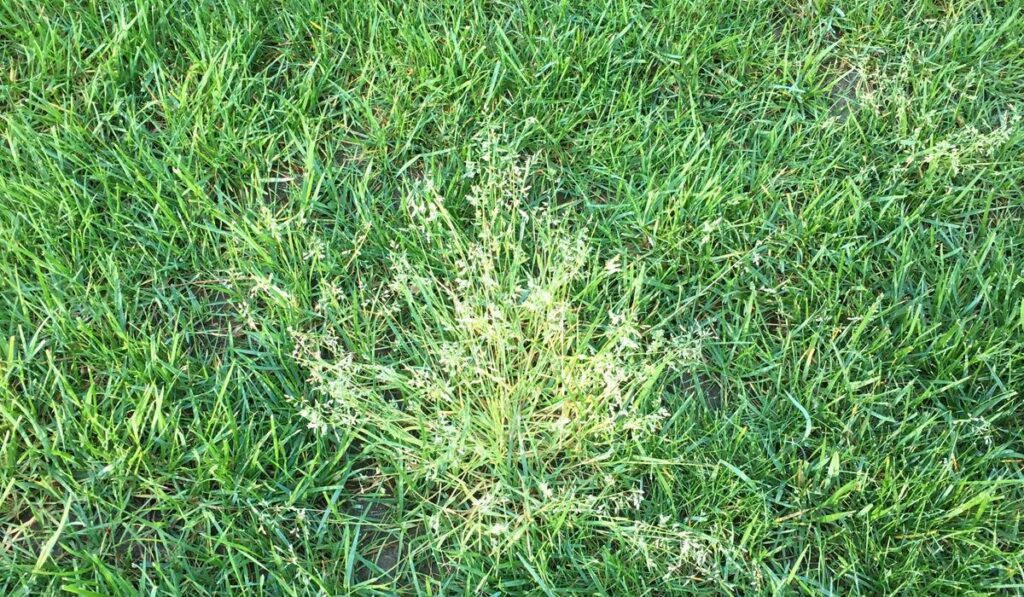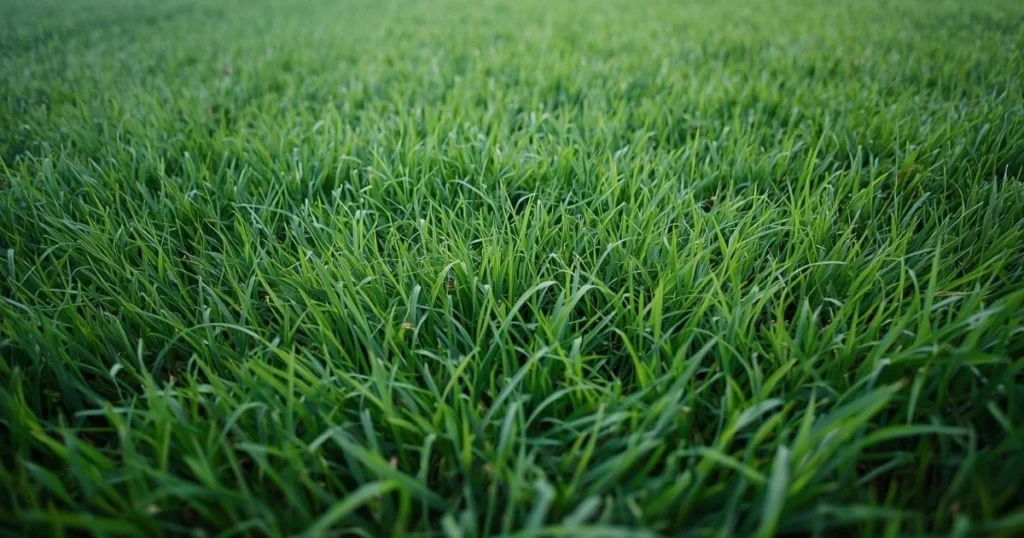
A healthy Kentucky bluegrass lawn can look almost like a green carpet. The blades are fine, the color is rich, and the turf can feel soft and dense under your feet.
Its appearance is only part of the reason homeowners choose it.
Kentucky bluegrass, often called KBG, has a spreading growth habit that helps it repair small damaged areas. It also handles cold weather well and can build a thick lawn when the climate, soil, sunlight, and care are right.
Those strengths make it one of the best-known cool-season lawn grasses.
But Kentucky bluegrass is not a grass you can plant anywhere and forget about. It establishes slowly from seed. It prefers good soil and plenty of sun. Hot summers can also push it into dormancy.
That makes understanding the grass just as important as choosing it.
For homeowners in North Carolina, climate matters even more. NC State Extension notes that Kentucky bluegrass is best suited to the mountains. In the Piedmont, it is often mixed with tall fescue rather than grown alone. It is not recommended for the Coastal Plain.
If you are deciding whether Kentucky bluegrass belongs in your lawn, this guide explains its seven biggest benefits, how those benefits work, what care it needs, and where its limitations begin.
Understanding Kentucky Bluegrass: Key Characteristics
Kentucky bluegrass, or Poa pratensis, is a perennial cool-season grass.
That means its strongest growth normally happens during the cooler parts of the year. Spring and fall provide the conditions it likes most, while prolonged summer heat can slow growth or cause dormancy.
NC State describes Kentucky bluegrass as a medium-to-fine textured turfgrass with dark green color and an aggressive rhizome system that helps it recover from stress.
Rhizome Power: KBG’s Self-Healing Secret
The most important feature of Kentucky bluegrass is hidden below the soil.
Kentucky bluegrass produces rhizomes. These are underground stems that grow sideways beneath the lawn.
As a rhizome spreads, it can produce new roots and new grass shoots.
Think of it as a network running below your lawn.
If a small area becomes thin or damaged, nearby Kentucky bluegrass plants can gradually spread into that open space. This is very different from bunch-type grasses, which mainly grow upward and outward from one plant.
That spreading habit is one reason Kentucky bluegrass can form strong sod.
This growth pattern can also help you tell KBG apart from other grasses. If you are unsure what is already growing in your yard, our guide to identifying common North Carolina grasses can help you compare Kentucky bluegrass with other common turf types.
Fine Texture and Appearance
Kentucky bluegrass usually has fine to medium leaf blades.
When the lawn is healthy and dense, those blades create an even surface instead of a rough or clumpy appearance. Its natural dark green to blue-green color is another feature that makes the grass easy to recognize.
Kentucky bluegrass leaves also have a distinctive boat-shaped tip, which is one feature turf professionals use during identification.
Adaptability and Climate Preference
Kentucky bluegrass performs best in cool-season regions.
It is commonly grown across colder parts of the United States and is often associated with roughly USDA Zones 2 through 7. Still, hardiness zones alone do not tell you whether it will make a good lawn. Summer heat, soil conditions, rainfall, sunlight, and cultivar selection matter too.
KBG prefers:
- Fertile soil
- Good drainage
- Full sun to light or moderate shade
- A soil pH around 6.0 to 7.0
NC State lists a target pH of 6.0 to 7.0 for Kentucky bluegrass.
A soil test is one of the best places to start before planting. It tells you whether the soil needs lime or nutrients instead of forcing you to guess.
For North Carolina homeowners, grass selection can become more complicated because the state sits in the transition zone. Cool-season and warm-season grasses can both grow here, but neither group is perfect for every property.
If you are still deciding between the two groups, comparing tall fescue and Bermuda grass in the Carolinas can help you understand how sunlight, heat, seasonal color, and maintenance needs change the decision.
Benefit 1: Unrivaled Self-Repair Capabilities
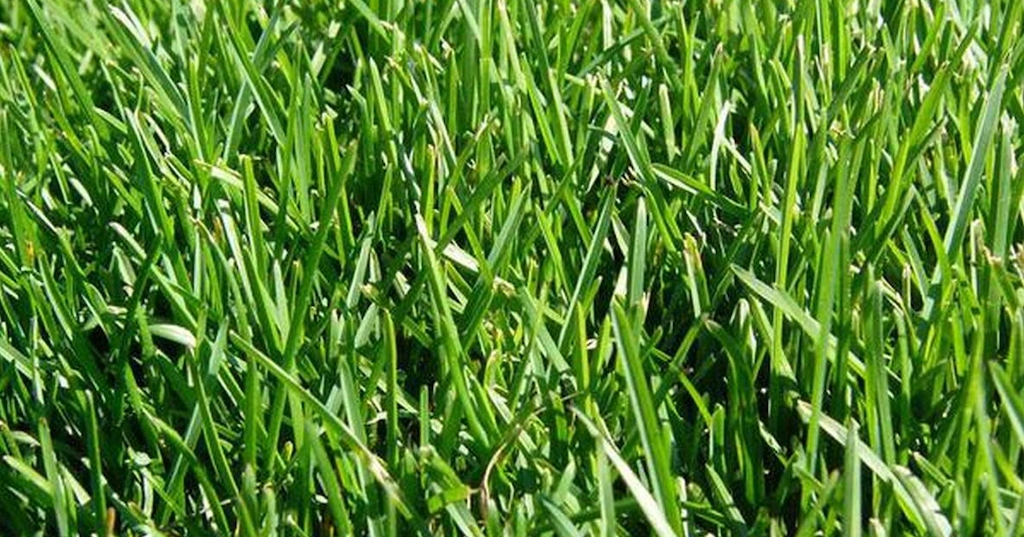
A lawn gets damaged.
Kids run across the same path. A dog turns one corner into a play area. Furniture sits in one place too long. Normal daily use can leave thin spots.
This is where Kentucky bluegrass has a major advantage.
Its rhizomes can spread into nearby damaged areas and produce new shoots. Small divots and thin patches can slowly close when the grass has enough moisture, nutrients, sunlight, and healthy soil.
You may not need to seed every small opening as soon as it appears.
That does not mean Kentucky bluegrass can repair any amount of damage.
A large bare area may still need seed or sod. Heavy soil compaction also needs to be corrected. Rhizomes cannot easily spread through badly compacted soil just because the grass is capable of self-repair.
NC State notes that the rhizome growth of Kentucky bluegrass gives it good recuperative ability and helps it tolerate moderate traffic.
For a homeowner, the benefit is simple.
A healthy KBG lawn has a built-in way to fill minor damage rather than relying only on new seed.
Benefit 2: Dense, Luxurious Turf Quality

Kentucky bluegrass can create the type of lawn many homeowners picture when they think about premium turf.
Thick. Even. Soft. Full.
That density comes from both tillering and rhizome spread. New growth forms close enough together to create a connected turf surface.
The result can feel more like a carpet than a collection of separate grass plants.
Density also gives the lawn another advantage.
Weeds need space, light, water, and nutrients to become established. When healthy turf already fills the available space, many weed seedlings have a harder time getting started.
A dense lawn will not make weeds impossible.
Thin areas, compacted soil, poor mowing, drought stress, and weak turf can still create openings. Pre-emergent and post-emergent weed control may still be needed depending on the problem.
But strong turf is one of the most useful parts of long-term weed prevention.
Keeping Kentucky bluegrass thick is not just about appearance. Density helps the lawn compete.
Benefit 3: Striking Blue-Green Color and Aesthetic Appeal
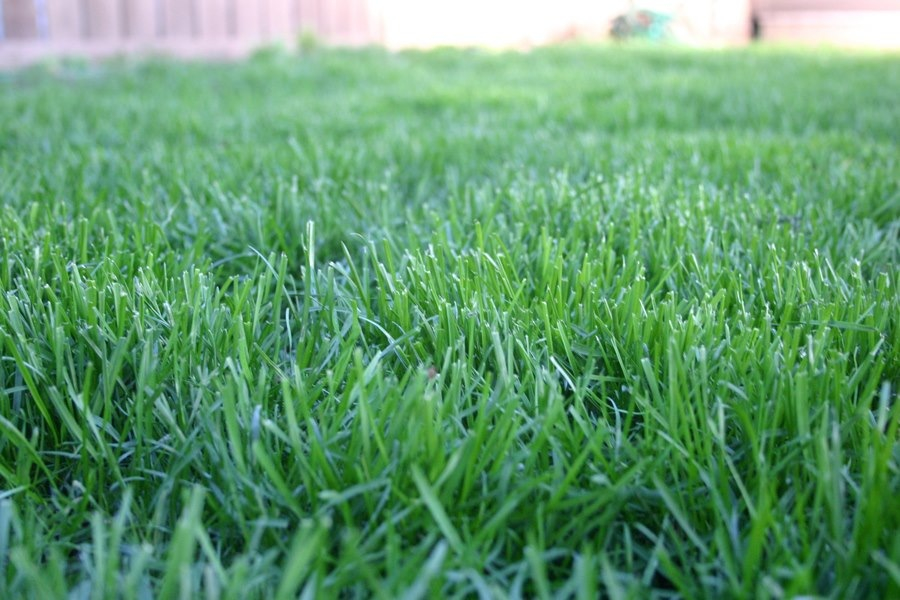
The name gives away one of this grass’s most recognizable traits.
Healthy Kentucky bluegrass can develop a rich green color with a slight blue-green cast.
That color, combined with its fine texture and dense growth, gives the lawn a polished appearance.
The color is not automatic.
A lawn that is short on water, nutrients, sunlight, or healthy roots may become pale or thin. Summer heat can also cause Kentucky bluegrass to lose color as growth slows or the plant enters dormancy.
Proper fertilization can help maintain healthy color, but more fertilizer is not always better.
Too much nitrogen can push soft top growth while increasing stress and disease risk. Soil testing should guide the overall fertility plan.
The best color comes from healthy turf, not from forcing the grass to stay dark green at all costs.
Benefit 4: Exceptional Cold Hardiness and Winter Survival
Kentucky bluegrass was built for cool weather.
That is one reason it has become such an important turfgrass in northern climates.
Freezing temperatures normally do not mean the lawn is dead. Growth slows as cold weather arrives, and the grass can enter dormancy while the crown and underground plant structures remain alive.
Once favorable conditions return, growth resumes.
Spring is when the change becomes obvious.
The lawn starts producing fresh growth again as soil and air temperatures rise. Healthy Kentucky bluegrass can quickly regain the color and density it lost during dormancy.
Its cold tolerance is a major advantage in areas where winter survival is a bigger concern than extreme summer heat.
The tradeoff appears farther south.
A grass that handles cold very well may struggle more during long periods of heat. That is why climate fit matters so much when deciding whether KBG should be grown alone or as part of a cool-season mixture.
Benefit 5: High Traffic Tolerance and Durability
A beautiful lawn is not very useful if nobody can walk on it.
Kentucky bluegrass offers a useful mix of appearance and durability.
That makes it well suited for yards where children play, pets move across the lawn, or people regularly use outdoor areas.
The key is not that Kentucky bluegrass never gets damaged.
It does.
The advantage is its ability to recover from moderate wear.
When healthy plants around a worn spot still have active rhizomes, those plants can begin spreading back into the damaged area.
That makes KBG different from bunch-type grasses that cannot fill open ground in the same way.
There is still a limit.
Constant traffic across the exact same path can compact the soil. Once soil becomes tight, roots receive less air and water does not move into the root zone as easily.
At that point, self-repair alone may not be enough.
Core aeration can help relieve compaction and create better conditions for roots and rhizomes. NC State specifically recommends cultivation practices such as aeration where compaction limits turf health.
For an active family lawn, that combination of durability and recovery is one of Kentucky bluegrass’s strongest benefits.
Benefit 6: Adaptability to Full Sun Exposure
Kentucky bluegrass likes sunlight.
A lawn receiving six or more hours of good sunlight each day gives KBG the energy it needs for strong leaf growth, root development, and rhizome spread.
Full sun also helps the turf maintain the density and color homeowners expect from Kentucky bluegrass.
Shade is more complicated.
KBG can tolerate some light or moderate shade, and some cultivars perform better in partial shade than others. Dense shade is different.
Under heavy tree cover or beside buildings where very little sunlight reaches the ground, Kentucky bluegrass may become thin and weak.
Cultivar choice can help.
Modern KBG cultivars have been selected for different traits, including color, disease resistance, stress tolerance, and better performance under specific growing conditions.
Do not choose seed only because the bag says “Kentucky bluegrass.”
Look at the actual cultivars in the blend and choose ones suited to your region and site.
This matters even more in the Carolinas, where summer heat can put cool-season grass under extra stress. If you are planning a lawn from seed, our guide to the best grass seed options for North Carolina lawns explains how climate and site conditions affect the choice.
Benefit 7: Versatility in Application, From Home Lawns to Sports Fields
Kentucky bluegrass is not limited to front yards.
Its dense growth, fine texture, color, and ability to recover from moderate wear have made it useful in many types of turf.
You may find it in:
- Residential lawns
- Parks
- Recreational areas
- Athletic fields
- School grounds
- Golf course areas in suitable climates
The requirements change with the site.
A home lawn does not receive the same traffic as a sports field, and it normally does not need the same maintenance program.
The grass itself, however, offers many of the same useful traits.
Its ability to form sod is especially valuable where a connected turf surface is important.
This versatility says a lot about Kentucky bluegrass. It can look refined enough for a front lawn while still providing the recovery potential needed in more active spaces.
Maximizing Kentucky Bluegrass Benefits: Essential Care & Maintenance
Kentucky bluegrass can produce excellent turf, but only if the lawn receives the care those benefits depend on.
The goal is not to keep doing more.
It is to do the right work at the right time.
Establishment Phase: Patience Is Key
Kentucky bluegrass is slower to establish from seed than some other cool-season grasses.
NC State notes that Kentucky bluegrass can take as long as about three weeks to germinate. New seed needs steady surface moisture during this period so it does not dry out before seedlings emerge.
A seeded lawn will also take time to mature after germination.
Keep traffic light while seedlings develop.
Sod gives you a faster finished appearance, but it costs more and still needs careful watering while roots begin growing into the soil below.
Seed usually costs less and gives you more choice among cultivars, but it demands more patience.
Mowing Techniques
Mowing height affects root health, density, stress tolerance, and appearance.
For Kentucky bluegrass grown alone in North Carolina, NC State recommends roughly 1.5 to 2.5 inches. When KBG is mixed with tall fescue, the mowing height is higher, around 2.5 to 3.5 inches.
The exact height can vary with climate, season, and use.
Avoid removing more than one-third of the grass blade in one mowing. This reduces stress.
Keep mower blades sharp too.
A dull blade tears the leaf instead of cutting it cleanly. Torn tips can make the lawn look brown and ragged and may increase stress.
Watering Strategies
Kentucky bluegrass needs enough water to support healthy roots, but frequent shallow watering is not the goal.
Water deeply enough to wet the root zone, then allow the soil to begin drying before watering again.
Watch the grass rather than relying only on a calendar.
Signs that turf may need water include:
- A dull blue-gray color
- Folded or curled leaves
- Footprints that stay visible after you walk across the lawn
NC State advises watering thoroughly but as infrequently as practical, while adjusting for soil, weather, rooting depth, and rainfall.
About an inch of water per week can be a useful starting point during active growth, but it should not be treated as a fixed rule for every lawn.
Clay soil may need watering in shorter cycles to prevent runoff. Sandy soil may dry faster.
A rain gauge or irrigation controller can help you track what the lawn actually receives.
Fertilization Schedule
Kentucky bluegrass responds well to proper fertility.
The strongest fertilizer applications for cool-season turf are usually timed around its main growth periods rather than the hottest part of summer.
Fall is especially important.
Use a soil test to find out what the soil actually needs before adding lime, phosphorus, potassium, or other amendments.
For nitrogen, slow-release products can provide steadier feeding and reduce the sudden surge in top growth that can follow heavy quick-release applications.
Avoid pushing Kentucky bluegrass hard with nitrogen when it is already stressed by summer heat.
Healthy color should come from balanced growth, not constant feeding.
Aeration and Dethatching
Soil compaction can limit even a good Kentucky bluegrass lawn.
When soil becomes tight, water enters more slowly and roots struggle to grow through it.
Core aeration removes small plugs of soil. This creates temporary openings that improve movement of air and water into the root zone.
It can be especially useful in lawns with:
- Heavy foot traffic
- Clay soil
- Poor drainage
- Compacted areas
- Weak root growth
Fall is generally the better period for aerating cool-season lawns because the grass is entering a strong growth and recovery period.
Kentucky bluegrass can also produce thatch because of its spreading growth habit. A small amount is normal. Excessive buildup can interfere with water movement and create a poor rooting environment.
Aeration can help manage mild buildup while improving the soil below.
Weed, Pest, and Disease Management
A healthy KBG lawn is your first defense against weeds.
Keep the lawn dense, mow correctly, fix thin areas, and avoid creating weak turf through poor watering or excess fertilizer.
Pre-emergent weed control can also be useful when timed correctly.
The important word is timed.
Some pre-emergent products can interfere with new grass establishment, so always read the label if you plan to seed.
Disease pressure also changes with weather and lawn care.
Kentucky bluegrass can develop problems such as rust, dollar spot, or summer patch under certain conditions.
Do not assume every brown area needs fungicide.
First check water, mowing, soil drainage, fertility, compaction, and the pattern of damage.
NC State recommends making a positive diagnosis before starting pest or disease treatments.
Your Kentucky Bluegrass Seasonal Beauty Calendar
Spring: Green-Up and Growth
Expect Kentucky bluegrass to become active again as temperatures rise.
This is the time to monitor weeds, begin normal mowing, check irrigation, and make fertilizer decisions based on the lawn’s condition and soil needs.
Avoid forcing excessive spring growth with too much nitrogen.
Summer: Heat and Possible Dormancy
Growth slows as temperatures climb.
Raise mowing height when appropriate, watch for drought stress, and water based on actual need.
During severe drought, Kentucky bluegrass may lose its green color and enter dormancy. NC State notes that KBG can recover well from many drought periods, although prolonged or severe stress still requires care.
Avoid heavy summer fertilization that pushes tender growth during stressful weather.
Fall: Recovery and Preparation
Fall is one of the most important periods for cool-season turf.
Kentucky bluegrass begins growing strongly again as temperatures fall.
This is a good time for soil testing, needed fertilization, core aeration, and repairing larger thin areas.
Small openings may fill through rhizome growth, while more serious damage may still need seed or sod.
Winter: Dormancy
Growth slows sharply during winter.
The lawn may lose some color depending on local conditions.
Keep leaves and heavy debris off the grass, limit unnecessary traffic on frozen turf, and allow the plant to conserve energy for spring.
Kentucky Bluegrass vs. Other Cool-Season Grasses: A Quick Comparison
Kentucky bluegrass is not automatically better than every other cool-season grass.
The best choice depends on what your property needs.
For homeowners choosing between the two most common options, our detailed guide to Kentucky bluegrass vs. turf-type tall fescue goes deeper into how each performs.
Here is a quick comparison:
| Feature | Kentucky Bluegrass | Tall Fescue | Perennial Ryegrass | Best Fit |
|---|---|---|---|---|
| Self-repair | Excellent due to rhizomes | Limited because most types grow in bunches | Limited | KBG is useful where natural recovery matters |
| Turf density | Very high when healthy | Medium to high | High | KBG works well for a uniform, carpet-like lawn |
| Texture | Fine to medium | Medium to coarse depending on cultivar | Fine | KBG and ryegrass provide a finer look |
| Color | Rich green to blue-green | Dark green | Dark green and often glossy | Appearance depends on cultivar and preference |
| Cold hardiness | Excellent | Good | Good to moderate depending on cultivar and conditions | KBG is well suited to colder climates |
| Traffic performance | Good with strong recovery | Good tolerance but limited spreading | Handles traffic but has limited repair ability | KBG offers strong recovery from moderate wear |
| Drought performance | Can enter dormancy | Generally stronger heat and drought tolerance | More limited under extended drought | Tall fescue often fits hotter, drier sites better |
| Shade performance | Light to moderate shade depending on cultivar | Good in partial shade | Moderate | Site conditions and cultivar matter |
| Establishment from seed | Slow | Moderate | Fast | Ryegrass gives the fastest seed establishment |
| Maintenance | Moderate to high | Moderate | Moderate | All perform better with consistent care |
These are general differences, not fixed rules.
Cultivar quality, soil, climate, irrigation, mowing, and disease pressure can change performance.
That is why grass selection should begin with the property rather than with the grass name printed on the bag.
Common Challenges and Solutions: Setting Realistic Expectations
Kentucky bluegrass has excellent strengths, but it also has limits.
Knowing them before planting can save a lot of frustration.
Slow Establishment From Seed
Challenge: Kentucky bluegrass does not provide instant coverage when planted from seed.
Germination can take several weeks, and the lawn needs more time after germination to become mature and dense.
Solution: Keep the seedbed consistently moist during germination. Reduce traffic while seedlings are young. Give the turf time to develop rather than adding more seed simply because the lawn still looks thin.
Sod is another option when faster coverage is important.
Shade Intolerance
Challenge: Heavy shade can cause Kentucky bluegrass to thin.
The plant cannot produce enough energy when it receives too little light.
Solution: Select cultivars with better shade performance where light shade is unavoidable. Improve sunlight by carefully pruning dense tree canopies when appropriate.
For very dark areas, another grass species may be a better fit.
Higher Water and Nutrient Requirements
Challenge: KBG may need more input than a low-maintenance lawn, especially if you expect deep green color throughout stressful weather.
Solution: Water based on soil moisture and visible stress instead of watering lightly every day.
Use soil testing to guide fertility.
This gives the grass what it needs without wasting fertilizer or forcing weak growth.
Disease Susceptibility
Challenge: Kentucky bluegrass can develop diseases such as rust, dollar spot, and summer patch.
Disease often becomes worse when the plant is already under stress.
Solution: Start with good cultural care.
Maintain proper mowing height, avoid unnecessary overwatering, improve drainage, manage thatch and compaction, and avoid excess nitrogen.
If a disease continues to spread, identify the problem before choosing a control product.
Heat Stress
Challenge: Long periods of high temperatures can slow growth and cause Kentucky bluegrass to brown.
This is especially important in transition-zone areas such as North Carolina.
Solution: Reduce stress during hot weather.
Avoid aggressive fertilization. Mow appropriately. Water deeply when irrigation is needed.
You may also choose to let an established lawn enter controlled summer dormancy rather than trying to force bright green growth through extreme heat.
In the North Carolina Piedmont, another solution is using Kentucky bluegrass as part of a tall fescue mixture instead of relying on pure KBG. NC State notes that tall fescue can add heat and drought tolerance while Kentucky bluegrass contributes finer texture and greater recovery potential.
Conclusion: Why Kentucky Bluegrass Is a Top Choice for Your Lawn
Kentucky bluegrass has earned its reputation because several useful traits come together in one grass.
Its rhizomes help it repair small damaged areas. Dense growth creates a smooth lawn and improves competition against weeds. Fine blades and rich blue-green color give it strong visual appeal.
It also handles cold weather well and can recover from moderate traffic.
Those strengths come with responsibilities.
Kentucky bluegrass establishes slowly from seed. It performs best with good soil, enough sunlight, proper mowing, smart watering, and a fertility plan that follows the season.
Hot climates and deep shade can also limit its performance.
That is why the best Kentucky bluegrass lawn starts with the right site and the right seed.
Look for quality seed containing cultivars suited to your region instead of choosing the cheapest bag or relying on a single unknown variety. A blend of compatible cultivars can provide a broader genetic base and help the turf handle different stresses.
For the right property, patience during establishment can lead to a lawn that becomes denser, stronger, and more attractive as it matures.
And if you are unsure whether Kentucky bluegrass fits your soil, sun exposure, or Carolina climate, Advanced Turf Care can help you look at the lawn as a complete system. Grass type, soil condition, compaction, fertility, weeds, disease pressure, and seasonal stress all affect what happens above the soil.
Choosing the right grass is the first step.
Giving it the conditions to succeed is what creates the lawn you actually want.
Need Help With Your Lawn?
Get professional lawn care built around your property, grass type, and seasonal needs.
Get a Free Quote