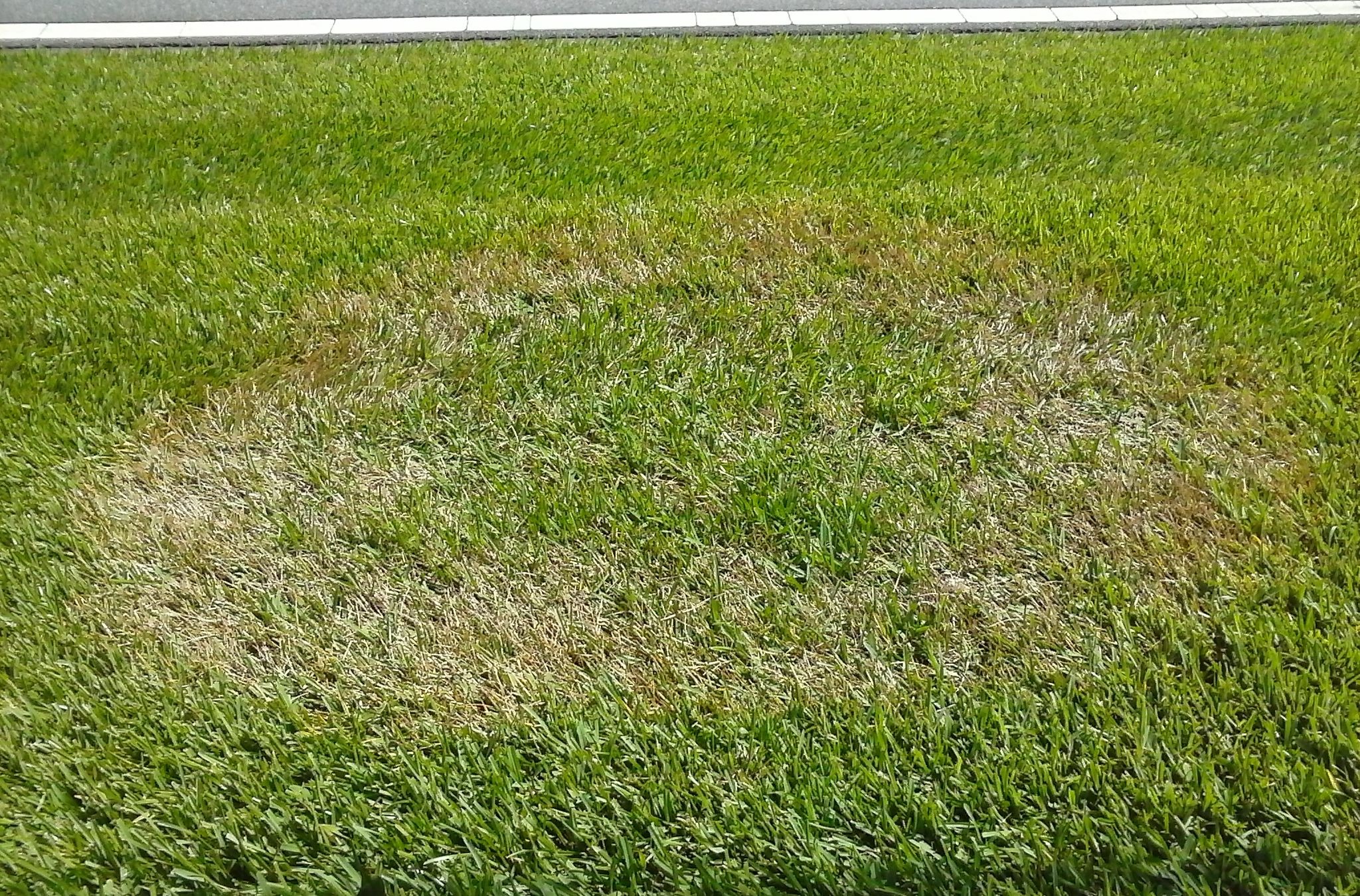
You walk out with your coffee, and there it is. A circle of dead-looking grass that wasn’t there yesterday. Your stomach drops.
How does a lawn go from healthy to half-dead in a single night?
It doesn’t — not really. What you’re seeing this morning is the final act of a process that started hours before sunrise. The fungus had already been feeding inside your grass blades while you slept. By the time the sun came up, the damage was done.
This isn’t a mystery, and it’s not bad luck.
Lawn diseases that seem to appear overnight are predictable. They follow patterns you can learn to recognize. They respond to conditions you can actually control.
In this guide, you’ll learn exactly what happens in the dark, why your lawn was already sick before you saw the damage, and how to stop it from happening again. By the end, you’ll trade the morning panic for a clear, science-backed plan that keeps your lawn healthy before the fungus ever gets started.
The Disease Triangle: Why Fungi Explode Overnight
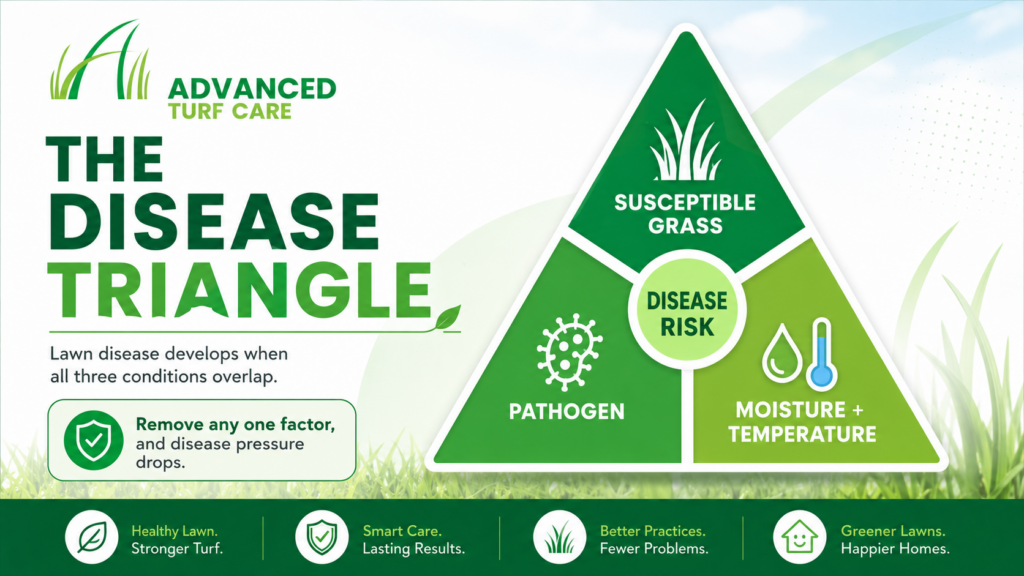
Every lawn disease needs three things to happen at the same time:
- A susceptible host — your grass
- A pathogen — the fungus
- A favorable environment — the right temperature and moisture
Remove any one of those three, and the disease can’t happen.
The overnight shock you’re seeing? That’s the environment suddenly flipping the switch.
The Fungus Was Already There
Your lawn didn’t catch a disease overnight.
Fungal spores and mycelium are almost always present in the thatch and soil. They’re dormant, waiting for the right conditions. The pathogen isn’t the surprise — the environment is.
What Triggers the Explosion
When two things align, fungi shift from idle to explosive growth:
- Nighttime temperatures hold above a critical threshold
- Grass leaves stay wet for an extended period, often 10–12 continuous hours or longer
That’s the moment the disease triangle snaps shut.
Why You Don’t See It Coming
The fungus works from the inside out.
By the time brown patches appear, the leaf tissue is already dead. The visible collapse happens fast — usually after sunrise, when the damaged tissue dries out and the grass blades lose all structural integrity at once.
Research from NC State and Penn State Extension confirms that leaf wetness duration is the single most critical environmental trigger for turf disease development.
The Role of Dew, Humidity, and Temperature
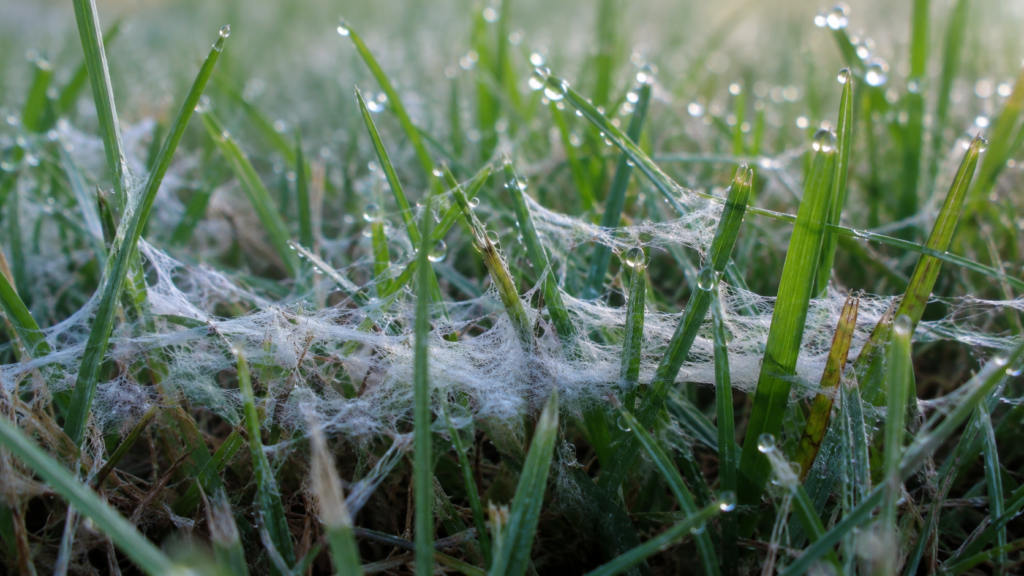
Rain and dew can both create the prolonged leaf wetness that turf diseases need. Dew is especially important because it can remain on the grass for hours after sunrise.
Why Dew Is More Dangerous Than Rain
When rain falls, it soaks into the soil and drains away. Dew is different.
Dew forms when the grass surface cools below the dew point overnight. It coats every leaf blade with a thin film of water — and it sits there, sometimes for hours after sunrise.
That’s not a minor inconvenience. That’s a fungal incubator.
How Long Do Leaves Need to Stay Wet?
There is no single number that applies to every lawn disease. Most turf diseases need extended periods of leaf wetness before infection can take hold.
For many common diseases, risk rises when grass blades stay wet for around 10–12 continuous hours. Pythium blight can become a concern when leaves remain wet for 12–14 hours across several warm nights.
Dew can easily create those conditions, especially during:
- Calm, humid nights
- Nights with little to no wind
- Lawns with poor airflow or heavy thatch
- Mornings when dew remains on the grass for hours after sunrise
The longer grass stays wet, the more time disease-causing organisms have to infect the leaf tissue.
Temperature Thresholds That Matter
Each lawn disease has its own preferred temperature range. These conditions can raise disease pressure:
| Disease | Conditions That Increase Risk |
|---|---|
| Brown Patch | Warm, humid weather with nighttime temperatures staying above 68°F |
| Pythium Blight | Hot, humid days around 85–95°F, warm nights above 68°F, and prolonged leaf wetness |
| Dollar Spot | Moderate temperatures, often between 60–85°F, combined with frequent dew or humidity |
| Red Thread | Cool, damp conditions, usually around 60–75°F, especially in low-nitrogen lawns |
When warm temperatures and prolonged leaf wetness occur together, disease pressure can rise quickly. That does not guarantee an outbreak, but it is the point when homeowners should tighten up watering, mowing, and airflow practices.
A Better Way to Watch for Disease Risk
There is no single number that can predict every lawn disease. Disease risk builds when several conditions show up at the same time.
Watch for:
- Warm, humid nights
- Heavy dew that stays on the lawn after sunrise
- Frequent rainfall or evening irrigation
- Little wind and poor airflow around the lawn
- Thick thatch or compacted soil that holds moisture near the grass crowns
- Several days in a row with wet leaves and favorable temperatures
When these conditions stack up, tighten your lawn-care routine. Water early in the morning, avoid unnecessary nitrogen, keep mowing equipment clean, and inspect the lawn closely for new symptoms.
Common Lawn Diseases That Seem to Appear Overnight
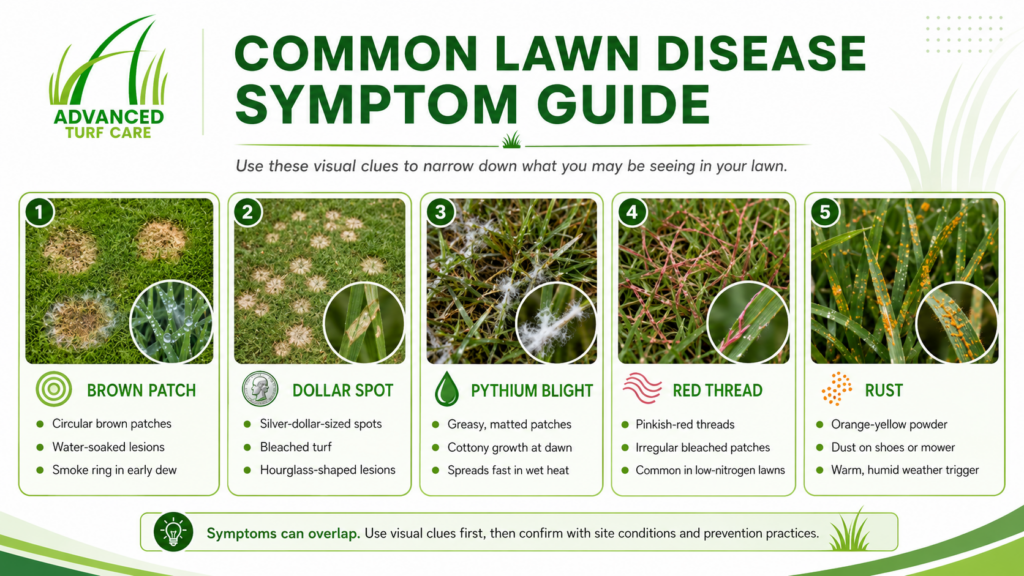
Not every brown patch is the same disease. Each one has a specific temperature range, moisture requirement, and set of symptoms.
Use this table to match what you’re seeing to a likely culprit.
| Disease | Temperature Trigger | Key Symptom | Susceptible Grasses |
|---|---|---|---|
| Brown Patch | Night temps > 68°F | Circular brown patches, water-soaked lesions, smoke ring at edges in early dew | Tall fescue, ryegrass, Kentucky bluegrass |
| Dollar Spot | 60–85°F | Silver-dollar-sized bleached spots, hourglass-shaped lesions with reddish-brown borders | Bermudagrass, fine fescue, Kentucky bluegrass |
| Pythium Blight | Night temps > 68°F, days 85–95°F | Greasy, matted patches, cottony mycelium visible at dawn, spreads fast along drainage lines | Ryegrass, tall fescue, bentgrass |
| Red Thread | 60–75°F | Pinkish-red threads extending from leaf tips, irregular bleached patches, common in low-nitrogen lawns | Ryegrass, fine fescue, Kentucky bluegrass |
| Rust | 68–86°F | Orange-yellow powdery pustules on blades, orange dust on shoes and mower | Kentucky bluegrass, ryegrass, zoysiagrass |
Temperature ranges and susceptible grass lists sourced from NC State Extension TurfFiles and Penn State Extension turfgrass pathology publications.
Why the Damage Was Already Underway Before You Saw It
The disease didn’t appear overnight. The evidence did.
What Was Happening While You Slept
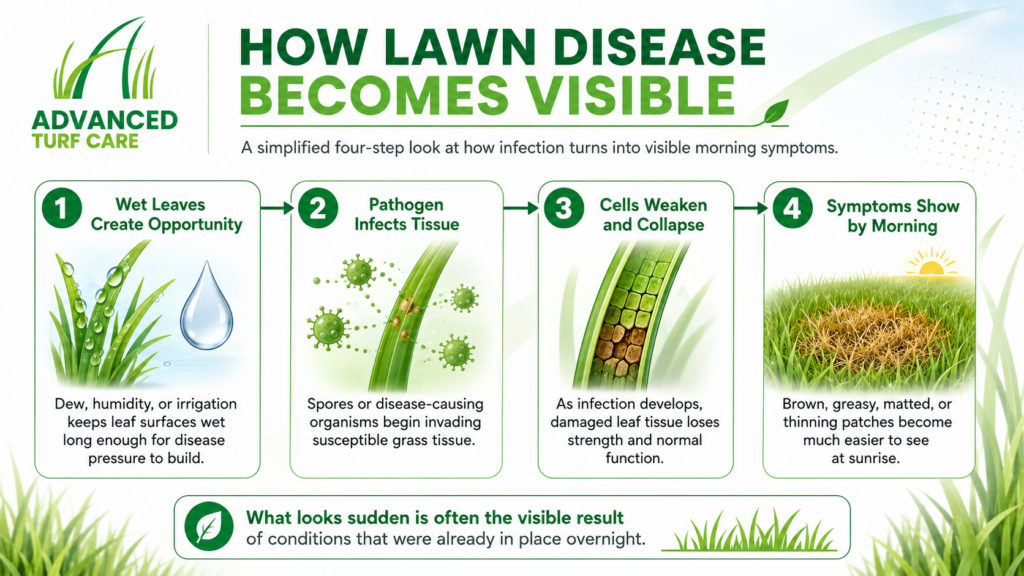
Fungal infection follows a timeline your eyes can’t track:
| Time | What’s Happening |
|---|---|
| Hour 0 | Spore lands on a wet leaf blade |
| Hour 4–6 | Spore germinates, sends out microscopic threads (hyphae) |
| Hour 8–12 | Hyphae penetrate leaf tissue, fungus begins feeding |
| Hour 12–18 | Plant cells collapse, leaf loses ability to hold water |
| Hour 18–24 | Visible brown patch appears at sunrise |
This is a simplified example. The timing of infection and visible symptoms varies by disease and weather conditions.
Your lawn looked fine at dusk because the damage was still invisible. By dawn, enough cells had been destroyed that the leaf collapsed all at once.
The Leaky Pipe Analogy
Think of it like a pipe leaking inside a wall.
You don’t see the water damage until the drywall buckles. But the leak started long before that moment. Your lawn was leaking all night. You just saw the drywall buckle at sunrise.
Why It Looks Worse in the Morning
Morning dew magnifies the collapsed, water-soaked tissue. Patches appear larger and more dramatic than they actually are.
As the lawn dries through the morning, some of that visual shock fades.
The underlying damage, however, does not.
Cultural Practices to Prevent Overnight Outbreaks
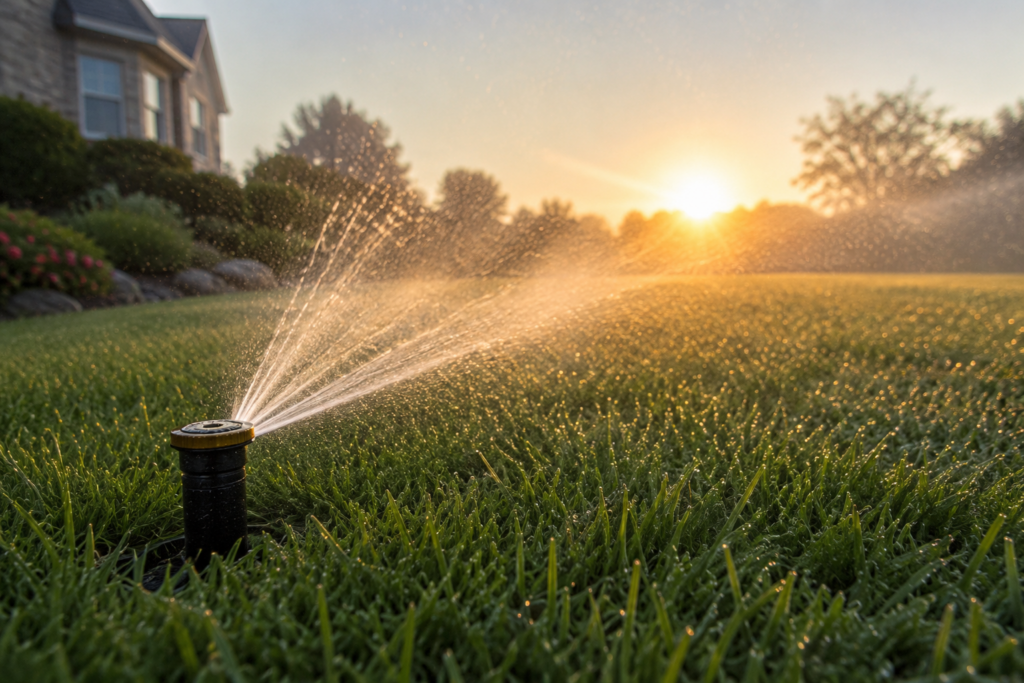
Fungicides can suppress active disease, but they work best alongside cultural practices that reduce moisture, stress, thatch, and excessive growth.
These five habits target the environment leg of the disease triangle — the one you actually control.
1. Watering: Timing Is Everything
Most homeowners water at the wrong time. Evening and nighttime irrigation leaves grass blades wet for 8–12 hours, handing fungi exactly the window they need.
Water as early in the morning as practical, ideally so grass blades can dry after sunrise. Avoid evening and nighttime irrigation, which can keep leaves wet through the night.
Beyond timing:
- Water deeply and infrequently — most lawns need 1–1.5 inches per week, including rainfall
- Use a rain gauge or smart controller so you’re not adding moisture the lawn doesn’t need
- Avoid light, frequent sprinklings that keep the surface perpetually damp
2. Mowing Height and Frequency
Mowing too low is one of the fastest ways to invite disease.
Short grass means exposed soil, higher surface temperatures, and stressed roots — all conditions fungi love.
- Mow at the recommended height for your grass type. Tall fescue generally performs best around 2.5–3.5 inches, while Bermuda and Zoysia are maintained lower depending on the variety and mower type
- Follow the one-third rule: never remove more than one-third of the blade in a single mowing. Scalping stresses turf and opens fresh wounds for fungal entry
- Keep mower blades sharp. Dull blades tear rather than cut, leaving ragged edges that are far easier for fungi to colonize
3. Nitrogen: The Goldilocks Problem
Nitrogen is the most mismanaged factor in disease prevention.
Too much creates lush, soft, succulent growth — exactly what brown patch and Pythium blight thrive on. Too little slows recovery and invites dollar spot and red thread.
The target is balance, and the only way to hit it accurately is with a soil test.
- Apply nitrogen based on soil test results, not guesswork or bag instructions
- Use slow-release fertilizers to avoid sudden growth surges that create vulnerable tissue
- Avoid heavy nitrogen applications heading into hot, humid stretches of weather
NC State Extension TurfFiles provides grass-specific nitrogen rate guidelines for Carolina lawns.
4. Thatch and Air Circulation
Thatch over half an inch thick acts like a sponge. It holds moisture against the grass crowns around the clock, giving fungal spores a permanent incubator to live in.
- Dethatch when the layer exceeds ½ inch
- Prune overhanging branches and thin dense shrubs around the lawn perimeter — better airflow speeds up leaf drying significantly
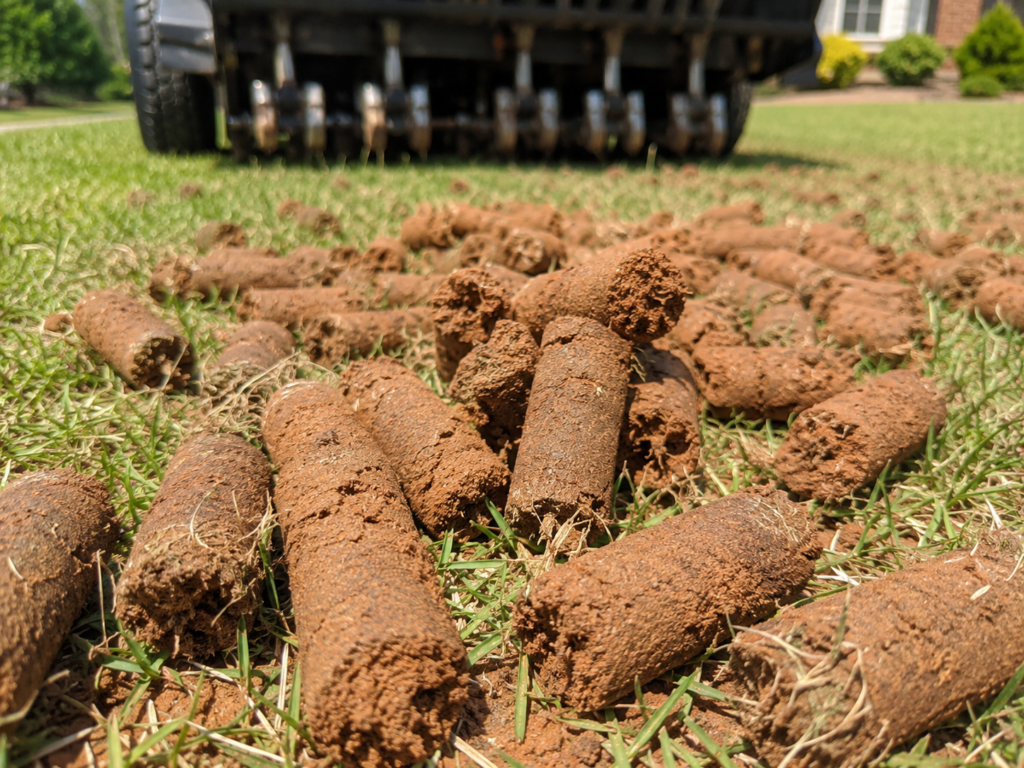
- Aerate annually to reduce compaction, improve drainage, and lower surface humidity. Core aeration also improves the effectiveness of every other treatment you apply
5. Cleanup and Sanitation
After an outbreak, the spore load in your lawn spikes. Every mowing pass can spread the fungus to healthy areas if you’re not careful.
- Bag and dispose of clippings from infected zones — do not mulch them back into the lawn
- Clean mower blades with a 10% bleach solution between passes, especially when moving from a diseased area to a healthy one
When and How to Use Fungicides Responsibly
Fungicides are a tool, not a solution.
Reaching for a sprayer before identifying the disease, or before giving cultural practices a chance to work, wastes money and can cause more harm than good.
When Fungicides Are Actually Justified
Three conditions should all be true before you apply anything:
- Cultural practices have been tried and haven’t stopped the spread
- The disease is correctly identified
- Environmental conditions make severe damage likely without intervention
Minor, temporary blemishes often recover on their own. Tolerating them is frequently the right call.
Match the Product to the Disease
Not all fungicides work on all diseases. Applying the wrong product does nothing except deplete your wallet and your soil’s beneficial organisms.
| Disease | Effective Active Ingredient |
|---|---|
| Dollar Spot / Rust | Propiconazole (FRAC Code 3) |
| Brown Patch / Pythium | Azoxystrobin (FRAC Code 11) |
Always read the label to confirm the product is registered for your specific grass type and target disease.
Rotate FRAC Codes — Every Time
Fungi develop resistance when exposed to the same mode of action repeatedly.
Never apply the same FRAC code in consecutive applications. Alternate between FRAC 3 and FRAC 11 products to prevent resistance from building.
A Few Application Rules
- Apply preventively when conditions are favorable — not after severe damage has already occurred
- Follow all label directions. Fungicides are pesticides
- Note: red thread rarely warrants chemical treatment. Cultural correction usually resolves it
Monitoring and Early Warning: Using Weather Data to Predict Risk
The best time to stop a disease outbreak is before it starts.
These simple monitoring habits give you a 24–48 hour head start on conditions that trigger fungal explosions.
Four Things to Track
Soil temperature
When nighttime soil temps consistently exceed 65°F, brown patch and Pythium blight risk climbs fast. A digital soil thermometer costs under $20 and tells you exactly when to act.
Leaf Wetness and Weather Patterns
Watch for several warm, humid nights in a row, heavy dew that lingers after sunrise, frequent rainfall, poor airflow, and unnecessary evening irrigation. When these conditions stack up, inspect the lawn more often and avoid adding unnecessary stress.
Weather forecasts
Warm nights, high humidity, and little wind are your red-flag combination. When a stretch of those conditions is in the forecast, tighten up your cultural practices immediately.
Your lawn journal
Note symptom dates, recent weather, and treatments applied. After one or two seasons, your journal becomes a personalized early warning system for your specific yard.
Helpful Tools
- Digital soil thermometer
- Basic rain gauge or smart irrigation controller
- NC State Extension soil temperature maps
- Lawn care apps with local disease alerts
Charlotte-Area Disease Risk Calendar
Use this as your month-by-month guide for when to tighten cultural practices and stay alert.
Seasonal Disease Risk Calendar
Select your grass type, then choose a month for a simple disease watchlist and prevention plan.
High seasonal pressure
Typical Charlotte-area seasonal patterns only. Your lawn’s risk can change with shade, drainage, irrigation, thatch, and recent weather.
Risk levels based on Charlotte-area average nighttime temperatures and humidity patterns. Tall fescue lawns carry higher cool-season risk; Bermuda and Zoysia carry higher summer risk. Your specific microclimate may shift windows by 2–3 weeks.
Morning-After Diagnosis Flowchart
Step outside. Look closely. Answer these questions in order.
Morning-After Diagnosis Flowchart
Answer a few quick questions about what you see this morning to narrow down the most likely lawn issue.
Loading question…
This flowchart is a screening tool, not a confirmed diagnosis. Similar symptoms can come from watering issues, insects, pet damage, or chemical injury.
If your symptoms don’t clearly match any path, don’t guess and spray. A misapplied fungicide can kill beneficial soil organisms and make the underlying problem worse.
From Panic to Proactive Lawn Care
That brown patch wasn’t an act of nature. It was a predictable result of conditions that were already in place — and conditions you can learn to control.
The fungus was there all along. The environment gave it permission to move.
Break that permission by watering before sunrise, mowing at the right height, balancing your nitrogen, and keeping thatch in check. Use the disease table, risk calendar, and diagnosis flowchart in this guide whenever symptoms appear. Add a soil thermometer and a lawn journal, and you’ll stop reacting to outbreaks — you’ll start predicting them.
If you’d rather have a professional handle it, Advanced Turf Care’s disease control and brown patch programs are built specifically for Charlotte’s summer conditions.
Seeing Spots, Patches, or Turf Decline?
Lawn disease can spread quickly. Get help identifying the problem and choosing the right treatment.
Explore Disease Control