You walk across your lawn and notice orange dust on your shoes. Some grass blades look yellow, and parts of the yard have a rusty color. Is the grass dying?
You may be seeing lawn rust, a common fungal disease. It can make a healthy-looking lawn seem sick almost overnight. The good news is that most established lawns recover with better care, not costly sprays.
Here’s how to spot rust, help your grass recover, and lower the chance of another outbreak in Charlotte and the surrounding area.
Understanding Lawn Rust
What Is Lawn Rust?
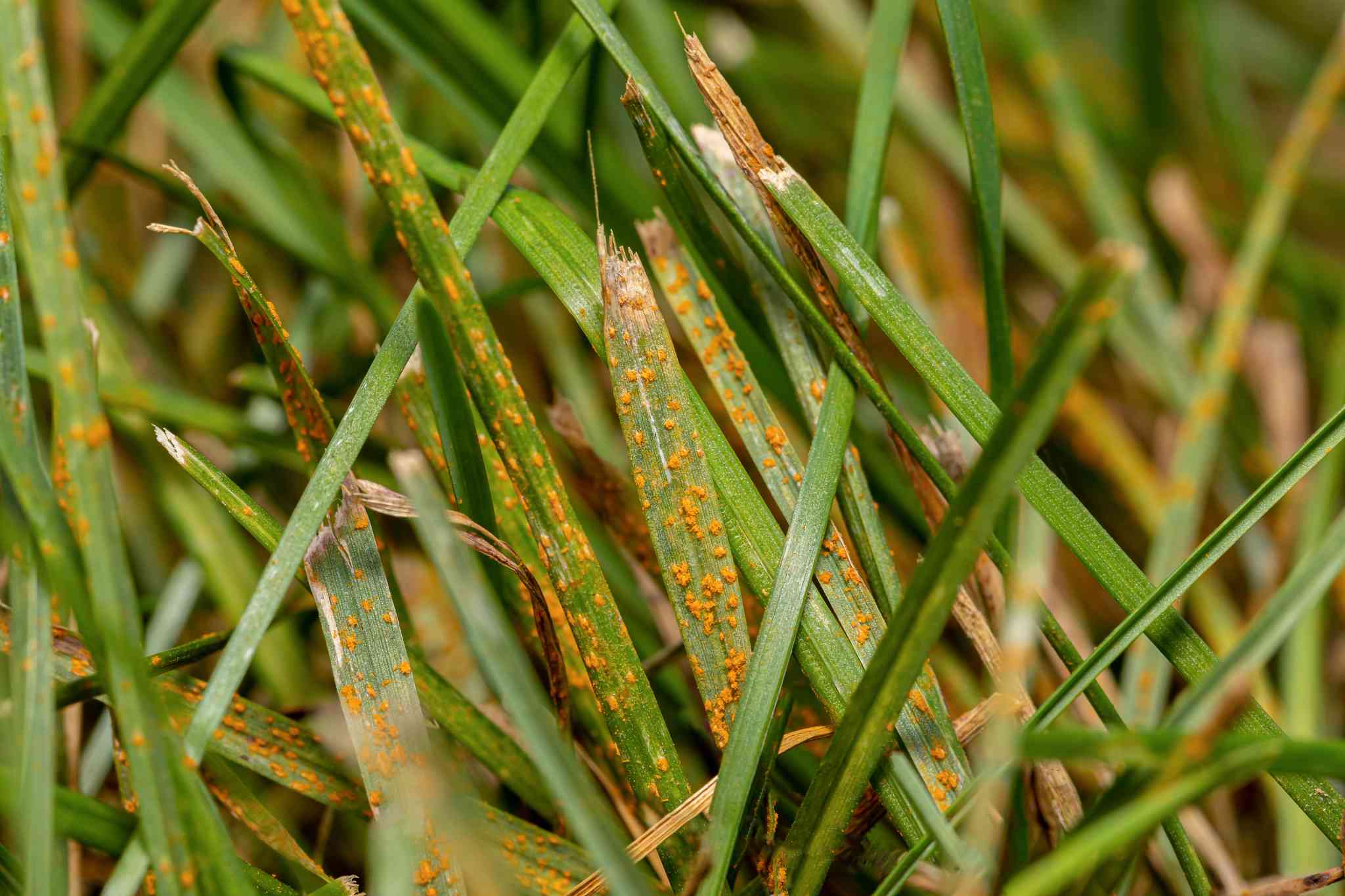
Lawn rust is a disease caused mainly by fungi in the Puccinia group. These fungi grow on grass leaves and form tiny, raised spots filled with spores. The spores look like orange or yellow powder.
The fungus spreads through wind and contact with infected grass. It is most active when leaves stay damp and grass is growing slowly.
Why Is Lawn Rust a Problem?
Rust takes energy from the grass and reduces its ability to make food from sunlight. Infected blades may turn yellow and die. A bad outbreak can leave the lawn thin and weak, especially during drought or heat.
Rust rarely kills a well-established lawn by itself. Still, it can hurt its appearance and make other stress harder to handle. New grass is more at risk than mature turf.
How to Identify Lawn Rust
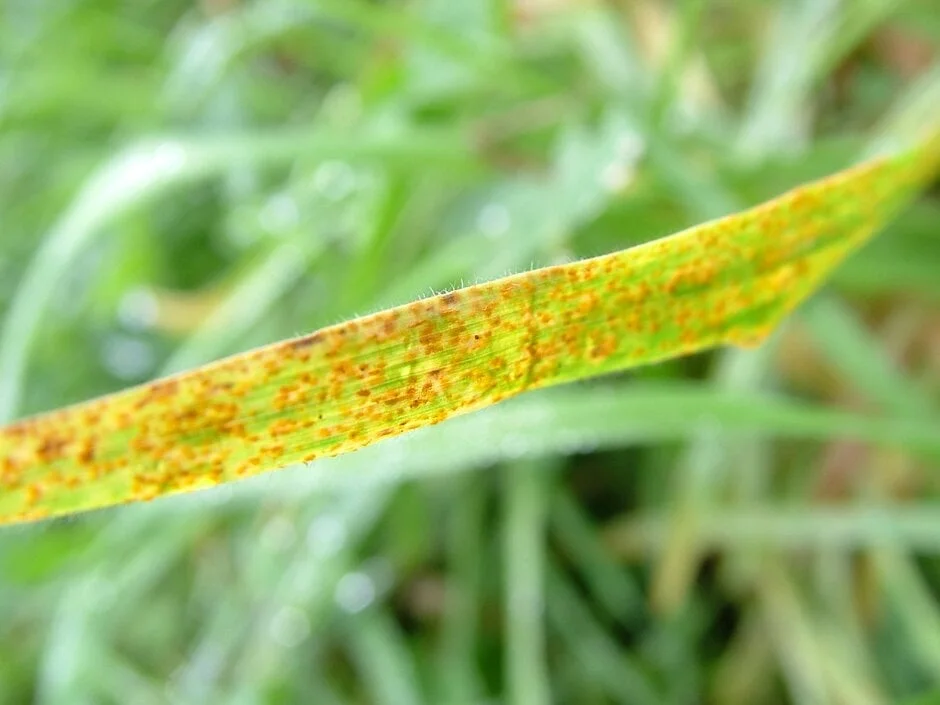
Look Closely at the Grass Blades
Rust often starts as small, pale-yellow marks. They grow into raised orange, yellow, or reddish-brown spots. As the spots break open, dusty spores rub off onto your fingers.
Try wiping a blade with a white tissue. Orange powder is a strong clue. You may also notice it on shoes, mower wheels, or a pet’s fur after they cross the lawn.
Check the Whole Lawn
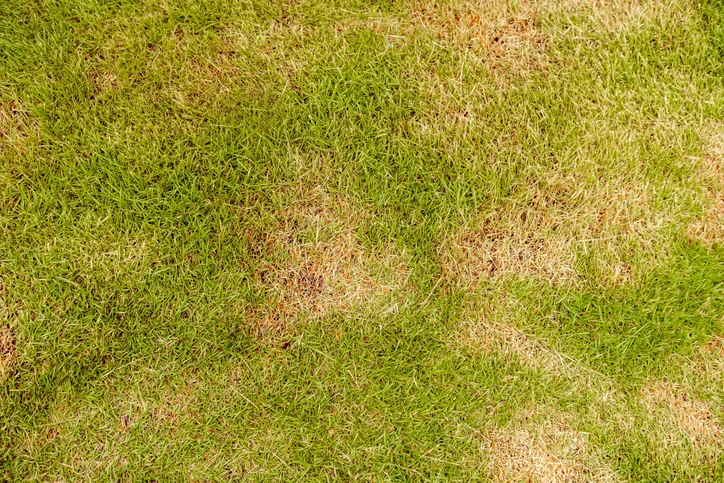
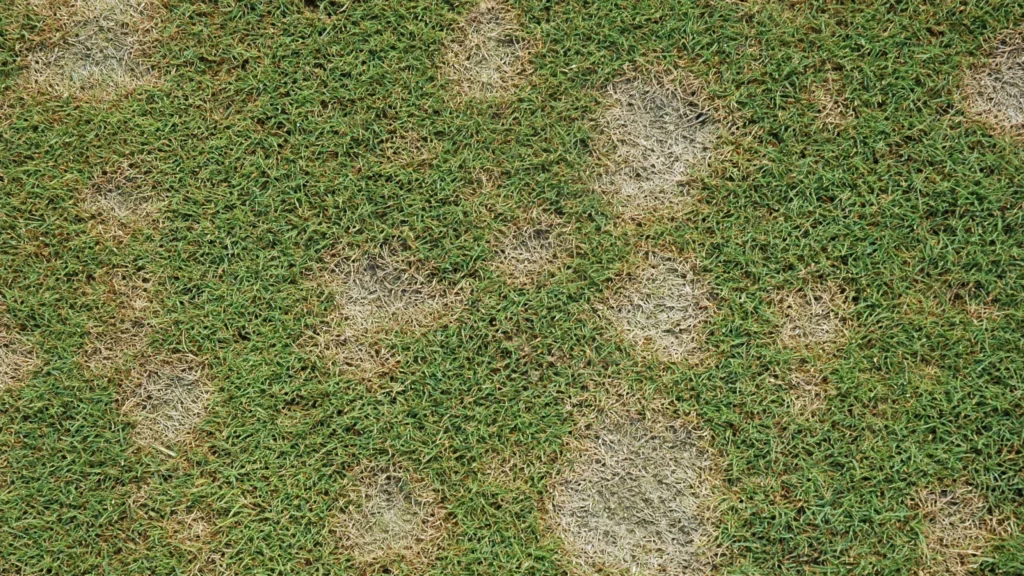
From a few steps away, rust may look like scattered yellow-orange patches. The grass can appear thin, but the color often comes from the blades rather than bare soil.
Outbreaks are common in late summer and fall, though they can also appear during other mild, damp periods in North Carolina.
Quick Rust Check
Ask yourself four questions:
- Are there small yellow spots on individual grass blades?
- Have some spots become raised and orange?
- Does powder rub onto a tissue or your shoes?
- Has the lawn been damp, shaded, or growing slowly?
If the first three answers are yes, rust is likely. If no powder appears, check for another cause. This is a quick guide, not a lab diagnosis.
Lawn Rust vs. Other Lawn Problems
| Problem | What you see | Main clue |
|---|---|---|
| Lawn rust | Yellow-orange patches and raised spots | Orange powder rubs off |
| Red thread | Tan grass with pink or red threads | Red strands cling to blade tips |
| Dollar spot | Small straw-colored patches, often joining | Pale leaf marks with brown edges |
| Drought stress | Wilted, dull, or brown grass | Dry soil and no orange powder |
Rust and red thread disease can both show up when grass grows slowly, but their signs on the leaf are different. If you still cannot tell, take close-up photos before applying anything.
What Causes Lawn Rust?
Weather That Helps Rust Spread
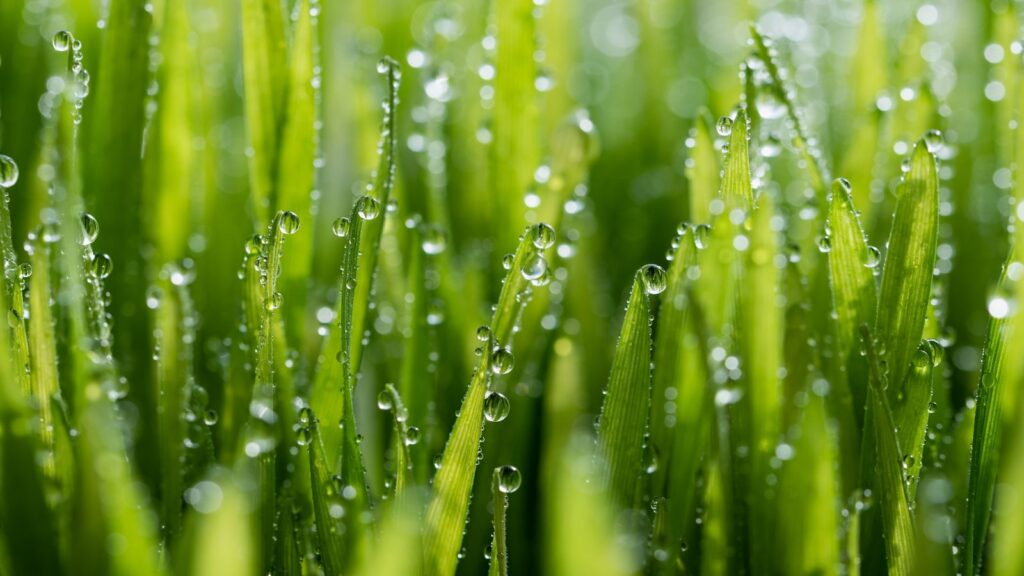
Rust likes mild to warm days, high humidity, and long periods of wet leaves. Many rust fungi do well around 68–86°F, though conditions vary by species. Heavy dew, frequent rain, or poorly timed sprinklers can leave blades wet long enough for infection.
Wind moves spores into new areas. That does not mean every lawn they land on will get sick. Strong grass is better able to cope.
Lawn Care Habits That Raise the Risk
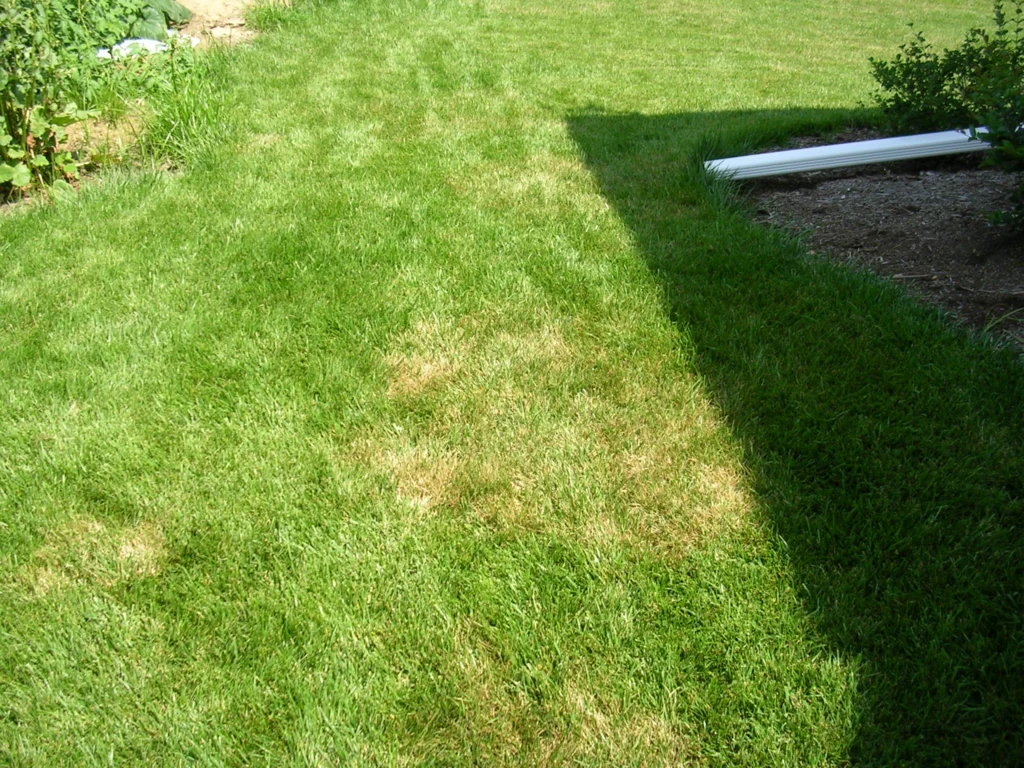
Grass under stress is easier for rust to infect. Common problems include too little nitrogen, drought, heavy shade, compacted soil, and mowing too rarely. Trees and thick shrubs can block airflow, so dew stays on the lawn longer.
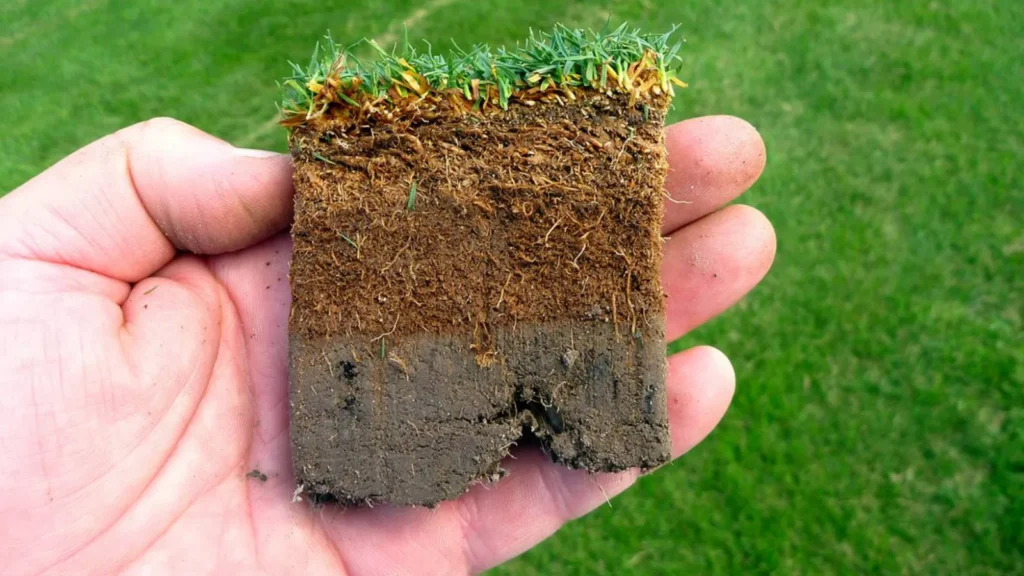
A thick layer of lawn thatch may also make it harder for water and air to move through the lawn. Not every lawn has a thatch problem, so check before removing it.
Which Grass Types Get Rust?
Rust can affect tall fescue, Kentucky bluegrass, perennial ryegrass, Zoysia, Bermuda, and St. Augustinegrass. Some types and varieties are more prone to it than others.
For Charlotte homeowners, the right care also depends on whether your lawn grows best in cool weather, like fescue, or warm weather, like Bermuda and Zoysia.
How to Treat Lawn Rust
Start With These Lawn Care Steps
- Mow on schedule. Regular mowing removes infected leaf tips. Cut no more than one-third of the blade at once. Bag clippings from badly infected areas while rust is active, and clean loose grass from your mower before moving to healthy turf. Do not scalp the lawn.
- Fix your watering. If the soil is dry, water deeply enough to wet the root zone. Aim for early morning, giving leaves time to dry. Skip watering if rain has already done the job. Avoid evening sprinkling.
- Check your feeding plan. Low nitrogen can slow recovery, but more fertilizer is not always better. Use a soil test for phosphorus, potassium, and pH, then follow a nitrogen schedule for your grass type. Slow-release nitrogen can help support steady growth when feeding is due.
- Give the lawn room to breathe. Trim back plants that block airflow where practical. Reduce foot traffic on wet, infected grass. Watch for fresh green blades as growth improves.
Do not expect stained leaves to turn green again. Recovery comes as healthy leaves grow and replace them.
When Should You Use a Fungicide?
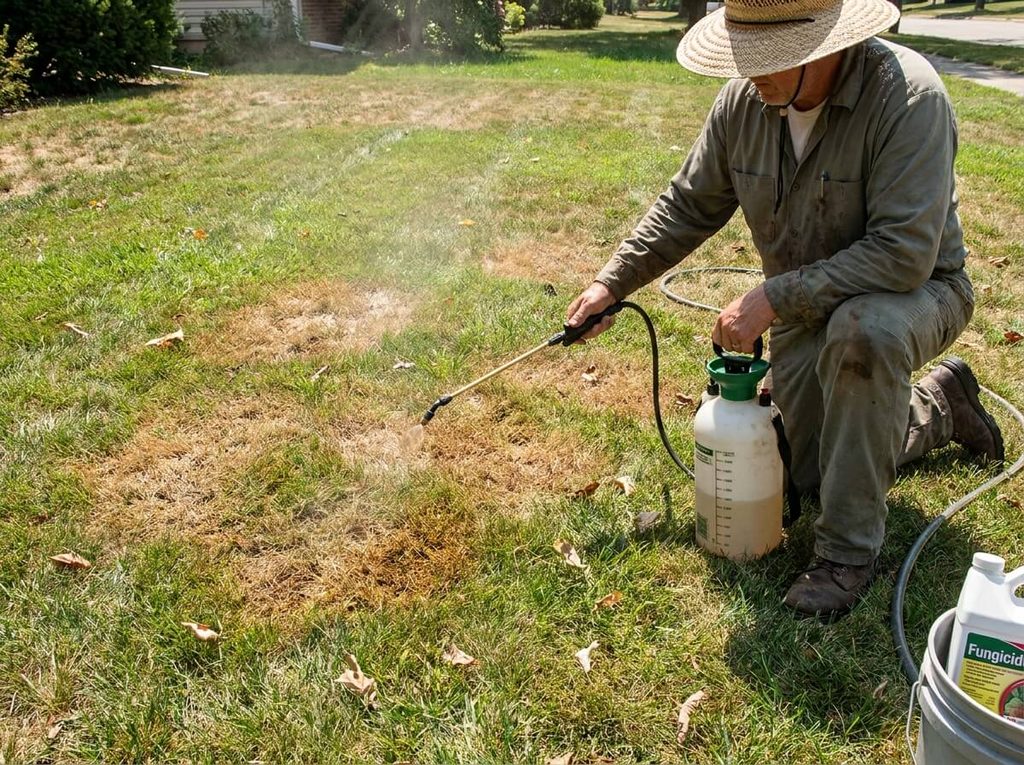
Most home lawns do not need one for rust. Consider professional advice if the infection is severe, keeps returning, or threatens newly seeded grass.
Fungicides work best when chosen for a confirmed disease and applied at the right time. They cannot replace proper watering, mowing, or nutrition, and they will not instantly repair damaged leaves.
Types of Fungicides and How They Work
| Type | How it works | What to know |
|---|---|---|
| Systemic | Enters plant tissue to help stop or limit infection | Examples in turf guidance include myclobutanil and propiconazole; check the exact product label |
| Contact | Forms a protective layer on treated leaves | Needs good coverage and may wear off with rain or mowing |
Some fungicides listed for golf courses or commercial turf are not approved for home lawns. For example, chlorothalonil must not be used on residential lawns. Never assume an active ingredient is suitable just because it appears in a turf disease guide.
Use Lawn Treatments Safely
Read the full label before buying or applying a pesticide. Check that it lists residential lawns, your grass type, and the disease. Follow its mixing rate, timing, protective gear, and re-entry rules for people and pets.
Keep children and animals away during application and until the label permits access. Never pour leftover product into drains or reuse an empty container. Gloves and eye protection may be needed; respiratory protection depends on the label, not a general rule.
How to Prevent Lawn Rust From Returning
Water the Soil, Not Just the Grass
Water when the lawn needs it, rather than running sprinklers every day. Deep watering supports roots while short, repeated watering can keep blades wet too long. A smart timer or rain sensor can help, but check the soil too. Charlotte’s clay soil often absorbs water slowly, so pause irrigation if runoff begins.
Feed Grass at the Right Time
Healthy grass needs enough nutrients, not extra fertilizer at every sign of yellowing. A soil test can show whether the soil needs lime, phosphorus, or potassium. Coated, slow-release fertilizers can help give nitrogen over time.
Fescue usually gets much of its feeding in fall. Bermuda and Zoysia are fed mainly during active warm-season growth. Late fall nitrogen that helps fescue may be the wrong move for Zoysia.
Mow at the Right Height
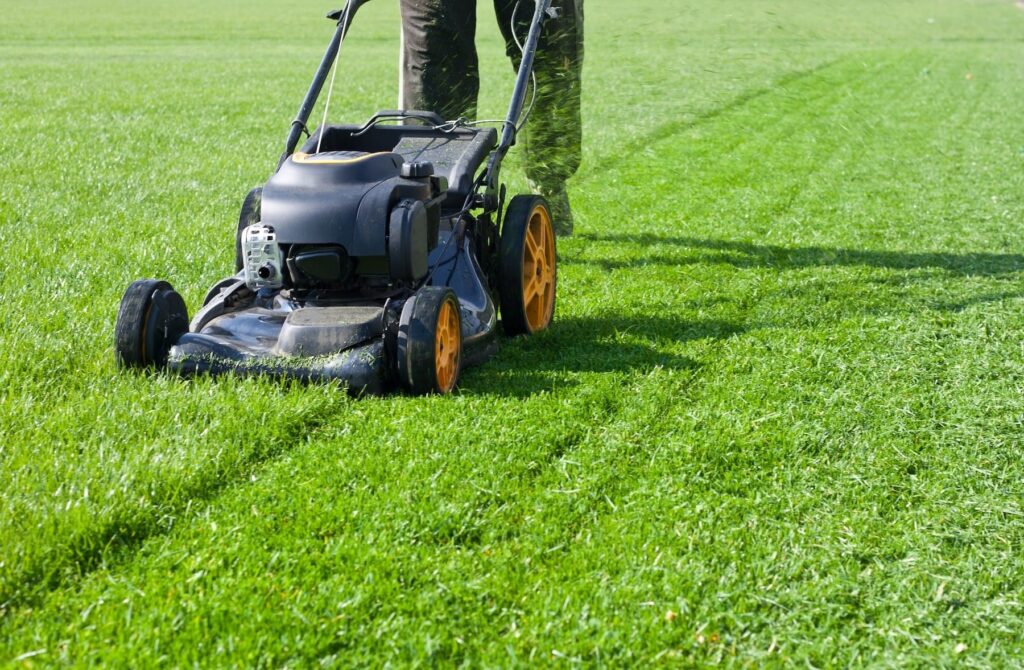
Different grasses need different heights. NC State recommends about 2.5–3.5 inches for tall fescue and commonly 0.75–2 inches for Bermuda and Zoysia, depending on the lawn and mowing equipment.
Keep blades sharp. Regular cuts help grass grow evenly, but cutting it too short adds stress. Once active rust clears, healthy clippings can usually be left on the lawn.
Improve Soil With Aeration and Thatch Control
If your lawn feels hard underfoot or puddles after rain, soil compaction may be part of the problem. Core aeration pulls small plugs of soil to open space for air and water. Learn about core and liquid aeration and how they differ before choosing a treatment.
Use a dethatching rake or machine only if thatch is too thick. Both jobs stress grass for a short time, so schedule them when it can recover: usually fall for fescue and late spring to summer for actively growing Bermuda or Zoysia.
Choose Grass That Can Resist Rust
When reseeding, look for varieties with good disease resistance in local turf trials. A mix of suitable fescue varieties can lower the risk of one disease harming the whole lawn. Choose for sun, shade, and traffic too. Rust resistance alone does not make a grass right for your yard.
A Simple Charlotte Lawn Rust Calendar
| Season | What to do |
|---|---|
| Spring | Watch for yellow flecks after damp weather. Let warm-season grass green up before feeding. |
| Summer | Check shaded or slow-growing patches. Water early and avoid drought stress. |
| Fall | Watch for rust after heavy dew. Feed and overseed fescue at the right time; avoid late nitrogen on Zoysia. |
| Winter | Clear leaves, review soil test results, and plan any needed lawn repairs. |
This is a Charlotte-area guide, not a fixed spray calendar. Watch the weather and match every task to the grass you have.
Keep a Lawn Rust Recovery Journal
You do not need a complicated log. On day one, photograph the orange patches and note your grass type, shade, moisture, and recent care. Each week, take another photo from the same spot and note whether fresh blades look clean.
A simple record makes it easier to see improvement and spot patterns if rust returns. It also gives a lawn care professional useful evidence. Recovery speed will depend on weather, grass growth, and how severe the disease was.
Build a Healthier Lawn, Not Just a Rust-Free One
Healthy roots, steady growth, and good drainage help a lawn cope with disease. Protect soil structure and avoid needless chemical applications. Trees, garden beds, and other plants can support a varied yard, but they should not leave turf in constant deep shade with trapped moisture.
Good soil care matters. There is no need to buy special soil microbes or sprays with promises to make rust disappear.
Be Ready for Changing Weather
A warm, wet fall or a long stretch of muggy nights can change when rust appears. Future weather may bring more of these conditions in some years, but an outbreak cannot be blamed on climate change alone.
Check the lawn after long damp spells, adjust watering to rainfall, and pick grass suited to local conditions.
Natural vs. Chemical Lawn Rust Treatments
What Can You Do Without Chemicals?
For mild rust, your best first choice is sound lawn care: regular mowing, sensible watering, and feeding only when needed. This approach treats the conditions that let rust take hold.
Neem oil and compost tea are sometimes suggested online. Evidence that they reliably cure lawn rust is limited. Even products sold as natural can harm plants or require safety steps, so do not spray them without checking their label and purpose.
What About Chemical Fungicides?
A correctly selected fungicide may slow new infections in a severe case. It adds cost and may need repeat treatment. Repeated use of products with the same mode of action can also help fungi develop resistance.
Chemicals are not always faster at restoring a green lawn. New growth still takes time. Confirm the diagnosis before treating.
Compare Cost, Time, and Results
| Approach | Main cost | Your time | Best use |
|---|---|---|---|
| Better lawn care | Water, suitable fertilizer, basic tools | Regular attention | Most mild outbreaks and prevention |
| Natural products | Product and application supplies | Repeated checking | Only where evidence and a suitable label support use |
| Fungicides | Product or professional treatment | Application and follow-up | Selected severe or recurring cases |
Prices vary by yard size and local provider. The lowest-cost starting point is often checking how you water and mow before buying a treatment.
Keep Pets, Children, and the Environment in Mind
Lawn rust spores can stain fur or shoes, but rust itself is not known to harm people or pets. Pesticides are a different matter. Keep everyone out of treated areas for the time stated on the label, and prevent spray drift or runoff into drains and streams.
This is the main idea behind integrated pest management: identify the problem, improve growing conditions, and use a pesticide only when it is truly needed.
When to Call a Lawn Care Professional
Signs You Need More Than DIY Care
Get help if patches spread despite better care, return each season, or leave new grass thinning badly. Call if you cannot find orange powder and are not sure it is rust. A wrong diagnosis can mean spending money on the wrong treatment.
How a Professional Can Help
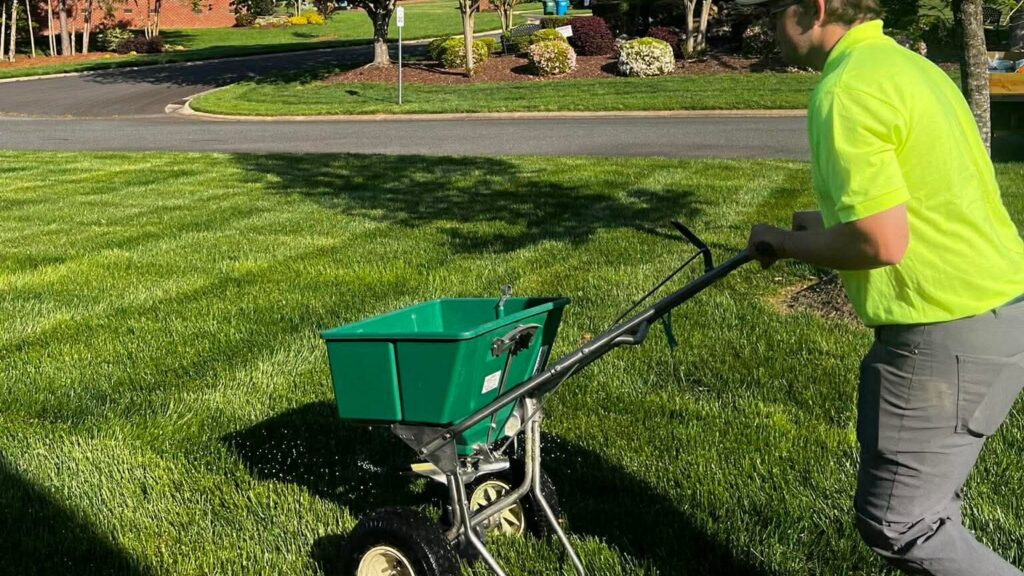
A turf specialist can check the symptoms, grass type, soil, shade, and watering pattern before suggesting a plan. If testing is needed, NC State Extension offers turf disease diagnostic resources.
At Advanced Turf Care, Andrew Powell brings more than 20 years of Carolina lawn care experience. Our team helps homeowners around Charlotte build grass-specific care plans, including fertilization and disease management when appropriate. The goal is stronger turf, not a spray for every orange spot.
Common Lawn Rust Mistakes to Avoid
Mistaking Every Brown Patch for Rust
Color alone is not enough. Check the blades for powder first. Dollar spot fungus leaves pale spots and marks on the leaves, but not the same orange dust. When symptoms do not match, get a proper diagnosis.
Using Too Much Treatment
Extra fertilizer can stress grass or feed the wrong type at the wrong time. Too much fungicide can cause harm without improving control. Always follow the grass-care schedule and the product label.
Forgetting the Cause
If you only remove the orange dust but keep watering at night or letting grass struggle, rust may return. Focus on the conditions that led to the outbreak rather than chasing every new spot.
What Turf Experts Recommend
Use Trusted Lawn Care Sources
NC State Extension’s lawn rust guide describes the telltale spores and recommends steady lawn growth through proper mowing, irrigation, and fertilization. Its grass-specific calendars are especially useful for homeowners in the Charlotte area.
Learn From Real Turf Experience
Use Clear Photos to Check Symptoms
Compare a close-up of a single blade with a wider photo of your lawn. Look for the raised orange spots, then note which areas get shade or stay wet. The photos in university extension disease guides can help you check what you see.
Check Advice as Products and Seasons Change
Before using a product, check its current label. Review local grass-care calendars each season, since weather and recommendations may change.
Quick Lawn Rust Questions
Can rust spread to other plants?
Rust fungi have specific hosts. Orange dust on lawn grass does not mean it will infect every tree, flower, or shrub nearby.
Can pets walk on a lawn with rust?
Rust spores are not known to be harmful to pets, but they can stain fur. After any pesticide treatment, follow the label’s re-entry rules.
Which grass is most resistant?
There is no single best choice for every yard. Choose locally tested varieties suited to your sun, soil, and grass type.
A Healthier Lawn Starts With the Right Care
Lawn rust looks alarming, but orange powder does not mean your whole lawn is lost. Start with a close look at the blades. Then correct the watering, mowing, or feeding issues that may be slowing grass growth. Save fungicides for cases that truly need them.
A strong lawn is your best long-term defense. If the orange patches keep coming back in your Charlotte-area yard, Advanced Turf Care can help you work out what is happening and what to do next.
Seeing Spots, Patches, or Turf Decline?
Lawn disease can spread quickly. Get help identifying the problem and choosing the right treatment.
Explore Disease Control