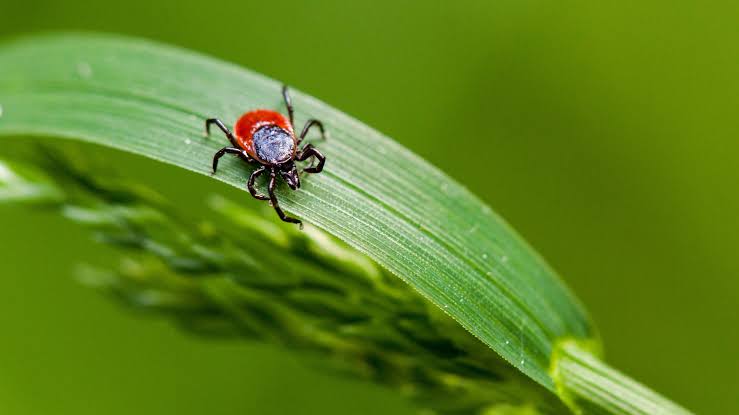
Finding a tick on your dog or crawling up your leg is never pleasant. It gets worse when you start wondering how many more might be hiding in your yard.
Ticks are common in North Carolina, especially around wooded areas, tall grass, and shaded spots. Some can spread serious diseases to people and pets.
Here’s how to find ticks, get rid of them, and reduce the chances of them coming back.
What Are Ticks?
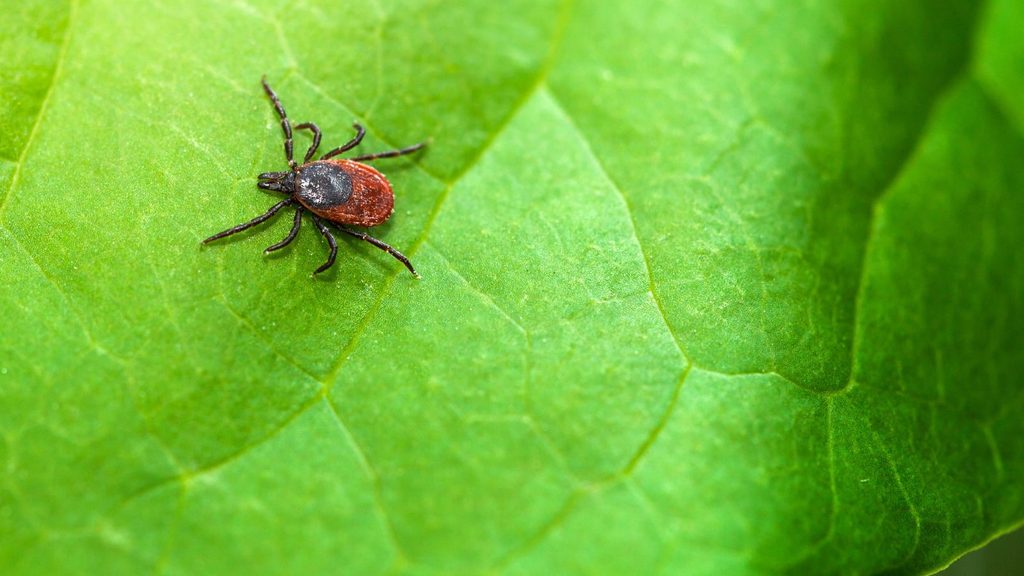
Ticks are tiny, blood-feeding creatures related to spiders and mites. They attach to people and animals to feed.
Unlike fleas, ticks cannot jump. They often wait on grass or other plants and grab onto an animal or person passing by.
The Tick Life Cycle
Ticks go through four stages:
- Egg: Female ticks lay eggs in protected places, often near the ground.
- Larva: Newly hatched ticks have six legs and are very small.
- Nymph: After feeding and growing, they develop eight legs. Nymphs can be hard to spot.
- Adult: Adult ticks feed, mate, and, in the case of females, may lay more eggs.
Many ticks need blood meals to move through their life cycle. This is why animals play such an important role in keeping tick populations going.
Common Ticks in North Carolina
Three types are especially important for homeowners around Charlotte.
| Tick | How to Recognize It | Main Health Concern |
|---|---|---|
| Lone star tick | Brown; adult females have a white dot on their backs | Ehrlichiosis and alpha-gal syndrome |
| American dog tick | Brown with pale markings on its back | Rocky Mountain spotted fever |
| Blacklegged tick | Small, with dark legs and a reddish-brown body in adult females | Lyme disease |
The lone star tick is common in North Carolina. Its bite can also lead to alpha-gal syndrome, an allergy that may cause reactions to certain mammal products.
For pictures of each species and its life stages, see NC State Extension’s tick identification guide.
Why Are Ticks Dangerous?
Not every tick carries disease. However, infected ticks can spread illnesses through their bites.
Symptoms may include fever, headache, tiredness, muscle pain, or a skin rash. Some tick-borne illnesses can become serious without treatment.
If you develop symptoms after a possible tick bite, contact a healthcare professional promptly.
It’s also worth knowing that ticks don’t eat grass or damage its roots.
Why Are Ticks in Your Yard?
You don’t need a forest behind your house to have ticks. A few shaded areas and visiting animals may be enough.
Where Ticks Like to Hide
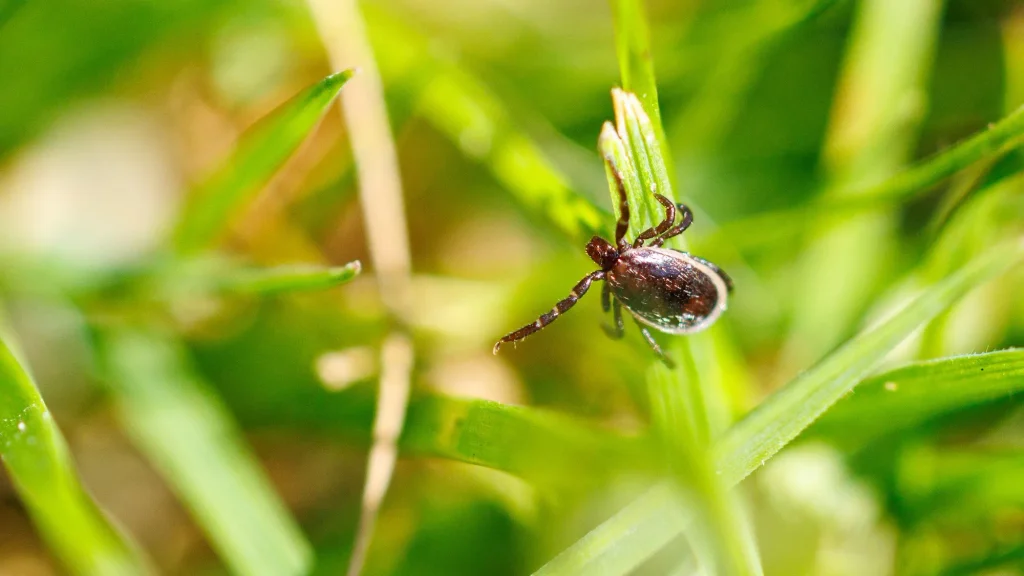
Ticks often favor places where they can avoid drying out.
Common hiding spots include:
- Piles of fallen leaves
- Tall grass and overgrown weeds
- Thick shrubs and ground cover
- Shaded flower beds
- Areas where your lawn meets woods
A Charlotte backyard with thick trees, damp leaves, and an overgrown fence line may offer suitable tick habitat.
Animals That Bring Ticks Into Your Yard
Deer, mice, chipmunks, birds, and other animals can carry ticks.
After feeding, ticks may drop off in your yard. Some will later look for another host.
Even a tidy lawn can have ticks if wildlife regularly passes through it.
How Weather Affects Ticks
Spring and summer are important times to watch for ticks, but some species remain active during cooler months.
Tick activity also depends on the species, temperature, and moisture.
How to Find Ticks in Your Yard
Ticks are easy to miss because many are smaller than you might expect.
Check Your Yard With a White Cloth
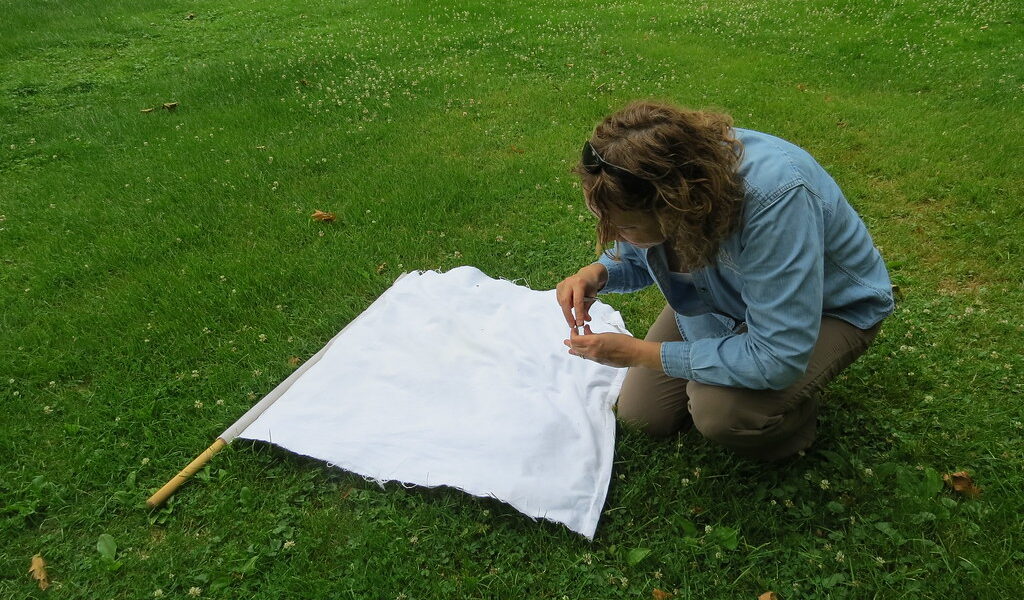
One way to look for ticks is called tick dragging.
Here’s how it works:
- Attach a piece of white flannel cloth to a stick or wooden pole.
- Slowly drag the cloth across grass and low plants.
- Stop regularly to inspect the fabric.
- Use tweezers to collect any ticks you find.
- Record where you found them.
Wear protective clothing and avoid touching ticks with bare hands.
A clean cloth doesn’t mean your yard has no ticks. Some may be hiding, attached to animals, or simply not picked up during the test.
You can also look carefully around leaves and shrubs, but avoid reaching into thick vegetation with bare hands.
Check These Common Tick Hotspots
Start with places where people and pets spend time:
- Fences and wooded property lines
- Stone walls and woodpiles
- Shaded flower beds
- Areas near bird feeders
- Compost bins and thick ground cover
- Paths used by pets
Protect Yourself While Checking
Wear long pants, a long-sleeved shirt, socks, and closed-toe shoes.
Use an EPA-registered insect repellent according to its label. Clothing treated with permethrin can also help, but permethrin clothing products should never be applied directly to skin.
After finishing, check your body for ticks, especially behind your knees, around your waist, under your arms, and near your hairline.
How to Keep Ticks Out of Your Yard
One of the best starting points is to change the places where ticks hide.
Keep Your Lawn and Garden Maintained
1. Mow your lawn regularly

Don’t let grass become overgrown. Keep it at a suitable height for your grass type.
Tall fescue generally benefits from a higher mowing height than Bermuda grass. Avoid cutting lawn edges extremely short just to control ticks.
2. Remove leaves and debris

Clear fallen leaves, dead plants, and brush from shaded areas.
A leaf blower, rake, or mulching equipment can help with cleanup. Move collected debris away from areas where children and pets play.
3. Create a barrier near wooded areas
The CDC recommends a barrier about three feet wide, made from wood chips or gravel, between lawns and wooded areas.
This helps separate commonly used spaces from higher-risk habitat. It won’t stop every tick from crossing.
4. Let more sunlight reach the ground
Trim overgrown branches and shrubs where appropriate.
More sunlight and airflow can make certain shaded spots less suitable for ticks.
Keep Wildlife Away
You can’t keep every wild animal out, but you can reduce what attracts them.
Secure trash cans, clean up spilled birdseed, and keep pet food indoors.
Stack firewood neatly in a dry place rather than leaving it scattered near the house.
If deer regularly enter your property, suitable fencing may help. Remember that smaller animals can still carry ticks into the yard.
Do Tick-Repellent Plants Work?
You may have heard that lavender, rosemary, and pennyroyal keep ticks away.
Some oils from these plants have shown repellent effects in laboratory studies. However, planting them around a yard has not been proven to provide reliable protection against ticks.
Don’t depend on plants alone.
How to Kill Ticks in Your Yard
If you’re regularly finding ticks, yard treatments may help reduce their numbers.
There are chemical, natural, and biological options, but they don’t all work equally well.
Chemical Tick Treatments
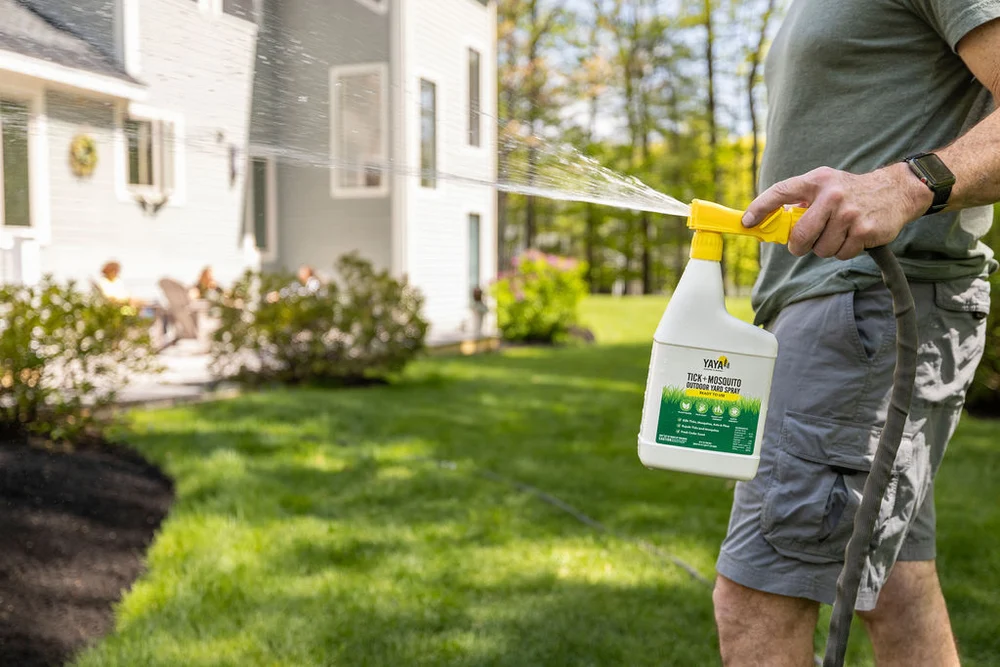
Some outdoor pesticides contain ingredients such as permethrin or other pyrethroids.
Products specifically labelled for tick control may reduce ticks in treated areas.
You may see brands such as Spectracide or Ortho Home Defense in stores. However, different products from the same brand have different uses. Always check that the exact product is approved for ticks and the area you plan to treat.
Tick treatments often focus on:
- Wooded borders
- Shaded vegetation
- Areas with leaf litter
- Other places where ticks are commonly found
Some granular products are also sold for outdoor pest control. Only use them for ticks when the label specifically allows it.
Safety comes first.
Keep children, pets, and toys out of treatment areas during application. Follow the label’s reentry instructions before allowing anyone back.
Avoid spraying in windy or rainy conditions. Never apply more than the label recommends.
Treatment timing also matters. Late spring and early summer may be useful for targeting active nymphs, while fall treatments may target certain adult ticks. The right timing depends on local species and product instructions.
The EPA’s pesticide safety guidance explains important precautions.
Natural Tick Treatments
Some homeowners prefer alternatives to conventional pesticides.
Cedar oil sprays
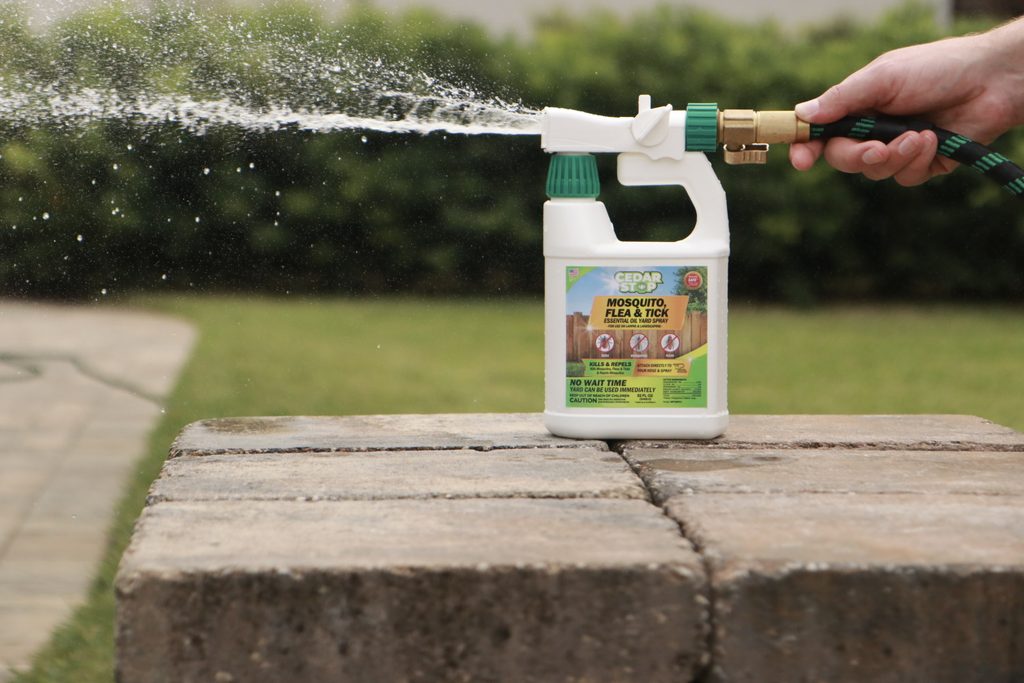
Cedar oil products, including brands such as Wondercide and Cedarcide, are marketed for tick control.
Some may repel or kill ticks under certain conditions, but reliable, long-lasting outdoor control has not been established.
Follow the product label and be careful around pets.
Diatomaceous earth
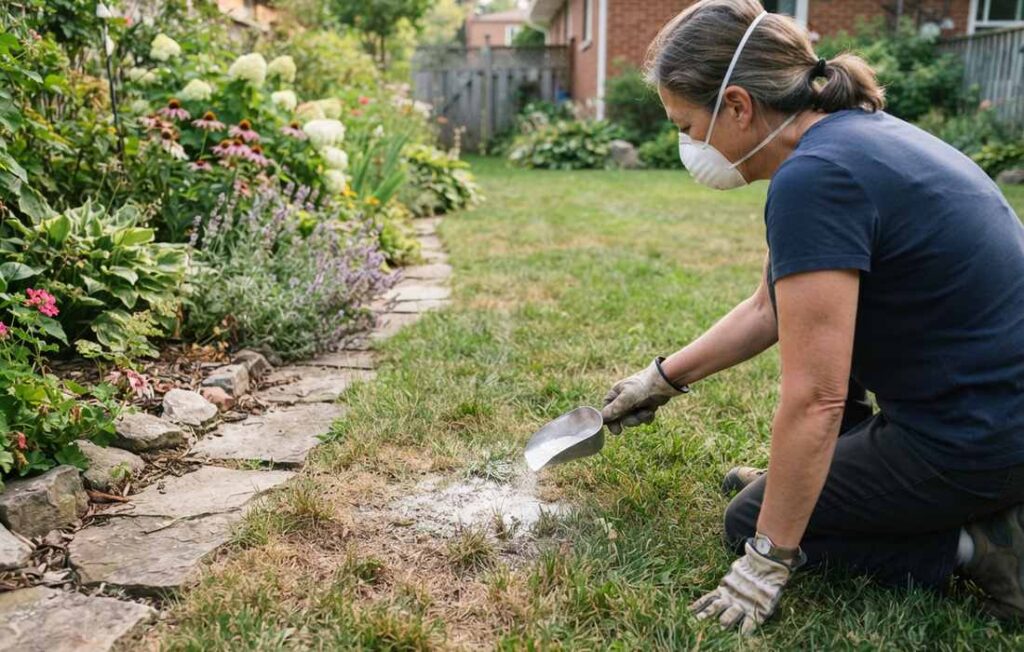
Food-grade diatomaceous earth is sometimes suggested for yard borders. Its fine particles can damage the protective coating of some small pests.
However, there is limited evidence that it provides reliable tick control outdoors. Moisture can also reduce its effectiveness, and inhaling the dust can irritate the lungs.
Other essential oils
Peppermint, rosemary, and other plant oils are sometimes sold as tick repellents.
Results vary, and concentrated oils may be harmful to pets, especially cats. Never apply a homemade oil mixture directly to an animal without veterinary guidance.
Biological Tick Control
Researchers have studied beneficial nematodes, which are tiny worms, as a way to control ticks.
Some have shown promise in experiments, but they aren’t a proven, reliable home treatment for yard ticks.
Certain fungi have also been studied for tick control. Their performance depends on the species, product, and outdoor conditions.
Predators such as spiders may eat small pests, but they won’t reliably clear ticks from a yard.
If you’re finding webs in your grass, read our guide on whether to keep or remove grass spiders before treating them as a problem.
Which Tick Treatment Works Best?
| Method | Effectiveness | Cost | Safety and Environmental Considerations |
|---|---|---|---|
| Labelled tick pesticides | Can reduce ticks in treated areas | Moderate | Follow label precautions; possible effects on other organisms |
| Cedar oil products | Limited long-term evidence | Moderate | May irritate people or pets; effects vary |
| Diatomaceous earth | Limited outdoor evidence | Low | Dust can irritate lungs |
| Beneficial nematodes | Experimental for yard ticks | Varies | Results are uncertain |
| Yard maintenance | Helps reduce suitable habitat | Low to moderate | Usually low environmental impact |
Costs depend on property size, products, and whether you hire someone.
For most homeowners, a good plan combines yard maintenance with personal protection and, when needed, carefully chosen treatments.
How to Control Ticks Long-Term
Using several methods together is called Integrated Pest Management, or IPM.
The idea is simple: find the problem, reduce what supports it, and use treatments only where they’re needed.
Combine Different Methods
A practical tick-control plan looks like this:
- Identify where ticks are present.
- Remove leaves, brush, and other hiding places.
- Reduce wildlife attractions.
- Protect people and pets from bites.
- Consider targeted pesticide treatments when necessary.
- Check whether the problem improves.
You don’t need to spray everything automatically.
The same general approach applies to other yard problems. Our lawn pest control guide explains how to identify common lawn pests before deciding what to do.
Protect Other Wildlife
Avoid treating areas that don’t need it.
Follow pesticide labels to protect pollinators, nearby water, and other wildlife. Keep products away from drains and ponds unless their labels specifically permit such use.
The goal is fewer tick encounters, not removing every living creature from your yard.
How to Remove a Tick Safely
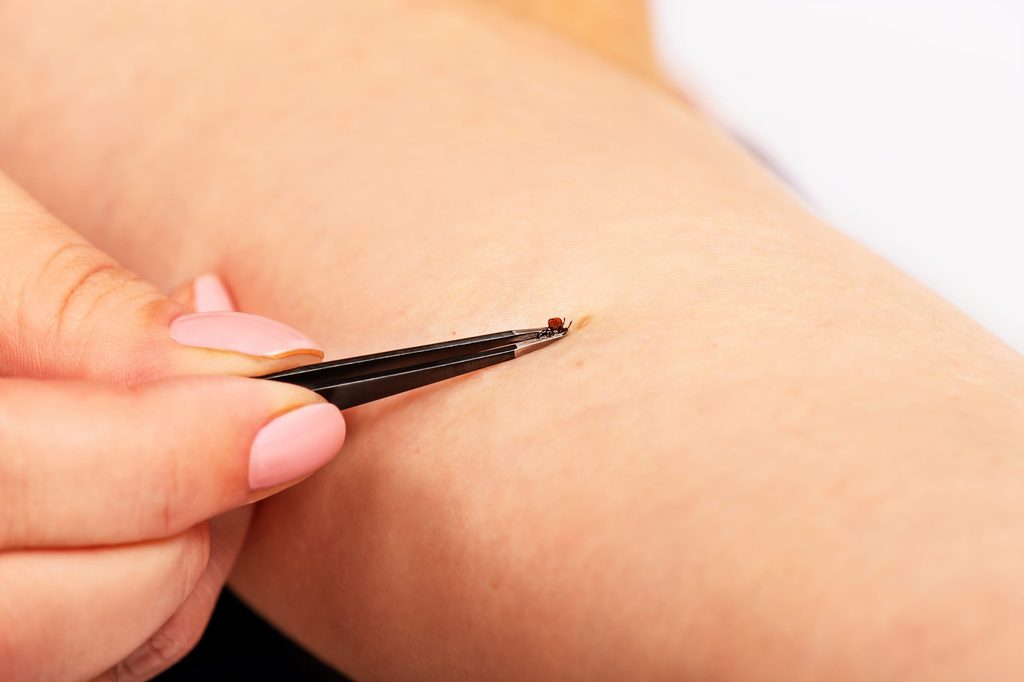
If you find a tick attached to your skin, remove it promptly.
Don’t wait for it to fall off.
Removing a Tick From Your Skin
Follow these steps:
- Get fine-tipped tweezers. Clean tweezers are usually all you need.
- Grab the tick close to your skin. Try not to squeeze its swollen body.
- Pull steadily outward. Don’t twist or jerk.
- Clean the bite. Use soap and water or rubbing alcohol.
- Dispose of the tick. Place it in a sealed container, wrap it securely in tape, or put it in alcohol.
If tiny mouthparts remain in the skin and won’t come out easily, don’t dig at them.
Never use a flame, nail polish, or petroleum jelly to force a tick to detach.
These steps follow the CDC’s tick removal guidance.
Removing Ticks From Pets
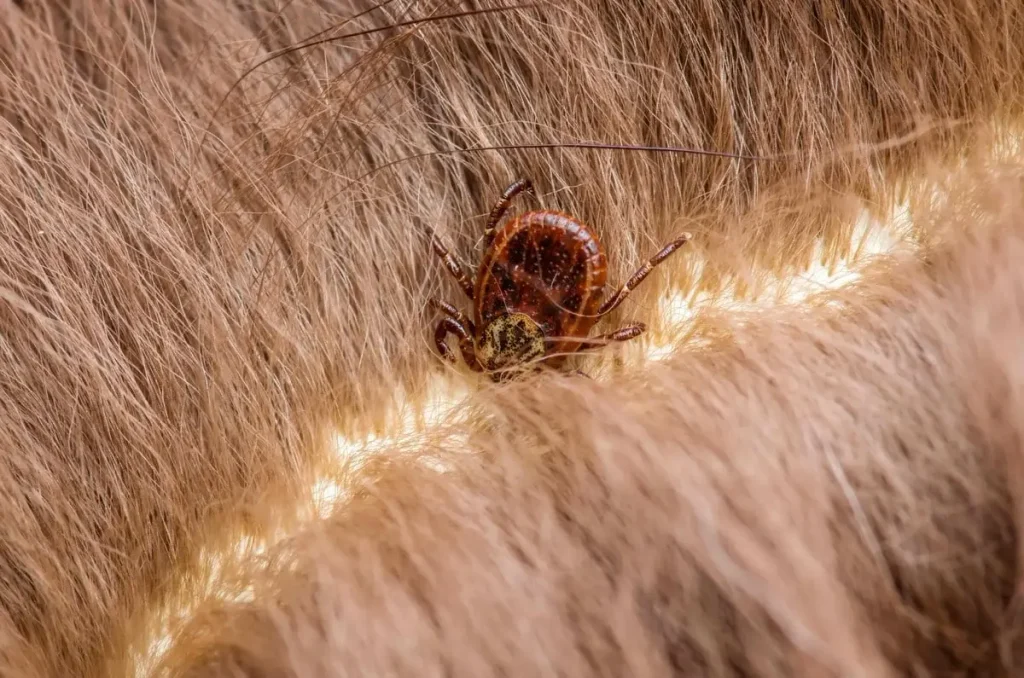
You can use a similar method to remove ticks from dogs and cats.
Keep your pet calm and gently part the fur so you can see where the tick is attached.
Grasp it close to the skin with tweezers and pull steadily. Clean the area afterward.
If your pet won’t stay still, the tick is in a difficult spot, or the skin becomes irritated, contact your veterinarian.
Which Tick Removal Tool Should You Use?
| Tool | Advantages | Limitations | Best Use |
|---|---|---|---|
| Fine-tipped tweezers | Precise and widely available | Must avoid squeezing the body | Small and attached ticks |
| Tick removal hook or spoon | Can be convenient around fur | Some are harder to use on tiny ticks | Larger ticks on pets |
| Tick removal card | Small and easy to carry | Can be difficult in tight spots | Travel and first-aid kits |
| Tick key | Portable and simple in design | Requires correct positioning | Accessible ticks |
Fine-tipped tweezers remain a dependable first choice. Whichever tool you use, follow its instructions and avoid crushing the tick.
What to Do After Removing a Tick
Watch for symptoms over the following days and weeks.
Contact a healthcare professional if you develop a rash, fever, headache, unusual tiredness, or other concerning symptoms.
Tell them when and where the bite may have happened.
You should also check the rest of your body because there may be more than one tick.
When to Call a Professional
Some tick problems are difficult to manage without help.
Signs You Need Help
Consider contacting a qualified tick-control professional if:
- You keep finding ticks despite cleaning up your yard.
- Family members or pets regularly pick up ticks.
- Your property borders thick woods.
- You have a large yard with many shaded areas.
- You’re unsure how to use outdoor treatments safely.
How Professional Tick Control Works
A qualified provider can inspect your property, identify likely tick habitats, and recommend a suitable treatment plan.
They may use targeted products and suggest changes to your yard.
Ask what products they use, how long children and pets must stay away, and whether follow-up visits are needed.
Remember that even professional treatment cannot promise a completely tick-free yard.
Advanced Turf Care specialises in lawn health and turf management rather than tick extermination. For tick-specific pesticide services, choose a properly licensed pest-control provider.
How to Keep Ticks From Coming Back
Tick control isn’t something you do once and forget.
A yard can become suitable for ticks again as plants grow and animals return.
Keep Checking Your Yard
Inspect areas where you previously found ticks.
You can repeat the white-cloth test and compare your findings over time.
Continue checking yourself and your pets after spending time outdoors, even if you’ve recently treated the yard.
Seasonal Tick Prevention Calendar
| Season | What to Do |
|---|---|
| Spring | Clear winter debris, trim overgrowth, start regular tick checks |
| Summer | Maintain the lawn, inspect shaded borders, protect pets, and assess treatment needs |
| Fall | Remove fallen leaves, check wooded edges, and continue monitoring |
| Winter | Clear brush, manage wildlife attractants, and watch for ticks during mild weather |
This is a general guide for North Carolina. Some ticks remain active outside the warmest months.
Check the North Carolina tick distribution and disease information for regional data.
Keep Up With Yard Maintenance
Don’t let leaf piles return to the same shaded corners.
Check fences, clean up spilled birdseed, and keep woodpiles away from busy areas.
A regular routine is much easier than cleaning up months of overgrowth at once.
Protect Your Pets Year-Round
Check your dog or cat after outdoor time, especially around:
- Ears and neck
- Armpits
- Between the toes
- Groin and belly
- Under the collar
Ask your veterinarian about suitable tick preventatives, including collars, topical products, or oral medication.
Never use a dog-only tick product on a cat.
Fleas can also cause trouble for pets and homeowners. If you’re dealing with both pests, our guide on how to get rid of fleas explains how to address the flea problem separately.
Tick Control Checklist and Resources
Is Your Yard at Risk?
Walk around your property and answer these questions.
- Are there piles of leaves or brush?
- Does your lawn border a wooded area?
- Are there thick shrubs or shaded ground cover?
- Do deer or rodents regularly visit?
- Are woodpiles close to the house?
- Do pets spend time in overgrown areas?
- Have you found ticks on people or pets?
Every checked box points to something worth inspecting or improving.
This is a simple yard checklist, not a medical risk score. Even a yard with no checked boxes may contain ticks.
Trusted Tick Information
For reliable information, use these resources:
- CDC Tick Prevention: Preventing bites and reducing exposure around your home.
- NC State Extension: Identifying common North Carolina ticks.
- EPA Pesticide Safety: Using pest-control products safely.
- CDC Tick Prevention for Pets: Protecting dogs and cats.
This article uses public-health and university guidance. Product labels and health recommendations can change, so check the latest official advice before treating your yard.
Final Tips for Tick Prevention
You don’t have to stop enjoying your backyard because you’ve found ticks.
Start with the places where they hide. Clear leaves, cut back overgrown plants, and make wooded borders easier to manage.
Check your family and pets after spending time outside. If you continue finding ticks, consider a targeted treatment or speak with a qualified professional.
You may not be able to remove every tick from your property, but steady prevention and quick tick removal can help reduce the risks.
And if your lawn itself needs attention, Advanced Turf Care can help with the turf management side of keeping a healthy, well-maintained yard around Charlotte.
Need Help With Your Lawn?
Get professional lawn care built around your property, grass type, and seasonal needs.
Get a Free Quote