You walk outside one morning and notice raised lines running across your lawn. There are small piles of dirt near your flower beds, and some parts of the grass feel soft under your feet. Everything looked fine a few days ago.
You may have moles.
The good news is that you can manage mole problems. But first, you need to know what you’re dealing with. Some common home remedies do little to help, and treating the wrong pest can waste your time and money.
Here’s how to identify moles, understand the damage they cause, and choose the right way to deal with them.
What Are Moles?
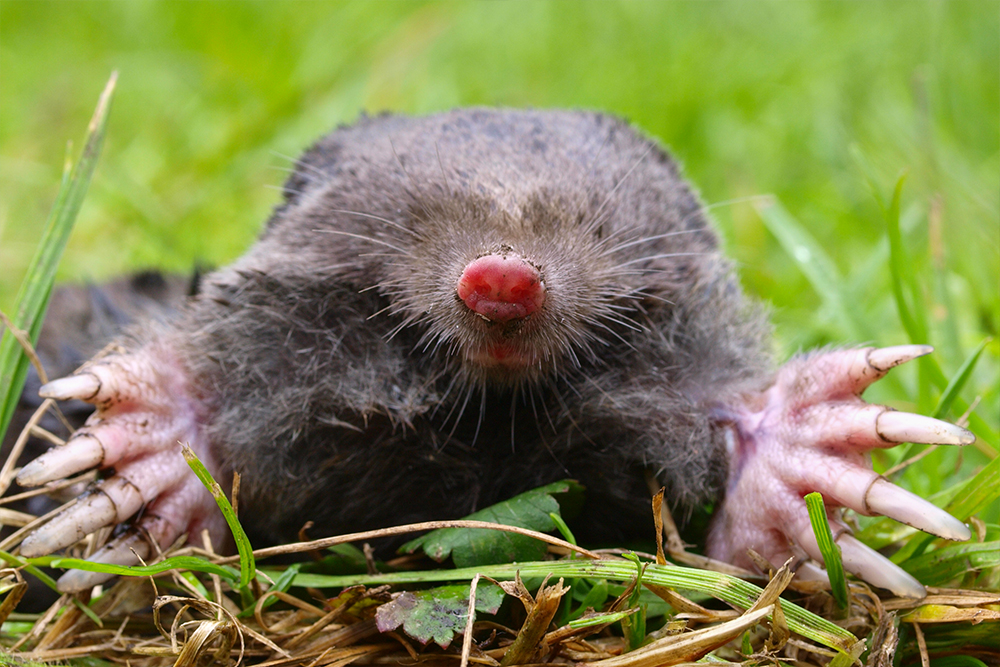
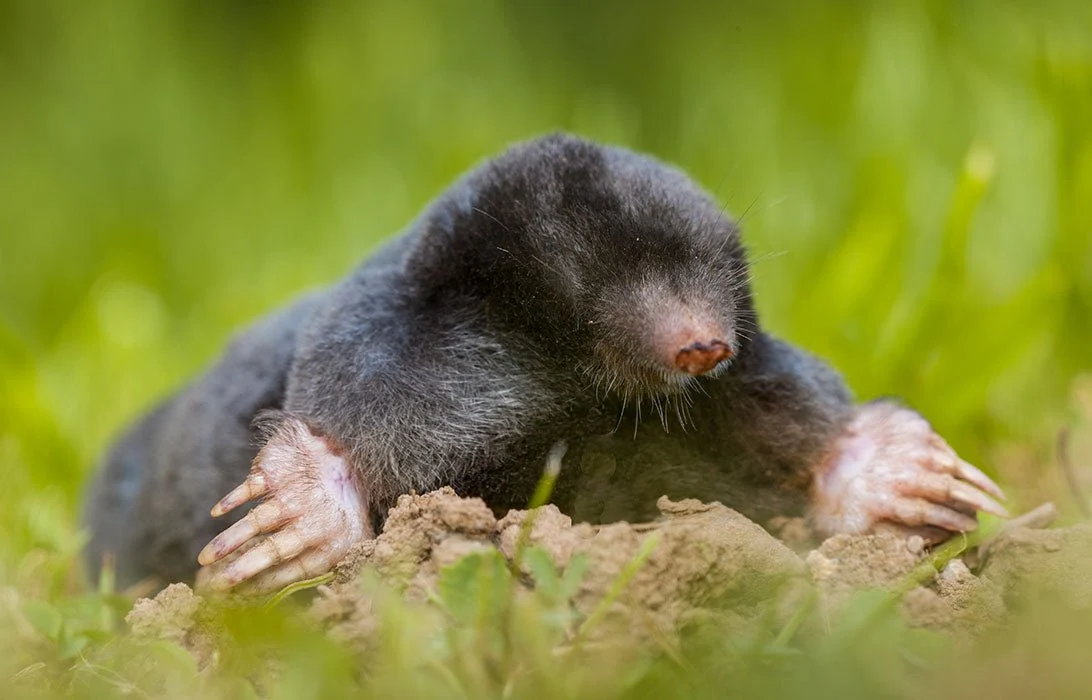
Moles are small mammals that spend most of their lives underground. They are not mice or rats, even though people often mistake them for rodents.
Unlike rodents, moles mainly eat earthworms, insects, and other small animals living in the soil.
Their bodies are built for digging. Moles have broad front feet with strong claws that help them push through dirt. Their fur is short and soft, their noses are pointed, and their eyes are very small.
North Carolina has three mole species:
- Eastern moles: The most likely species to cause problems in Charlotte-area lawns.
- Hairy-tailed moles: Similar in appearance, with a hairy tail.
- Star-nosed moles: Known for the unusual star-shaped group of fleshy points around their noses.
Most moles live alone, except during breeding. Eastern moles usually breed once a year, with young born in spring. They can live for several years.
Moles do not sleep through the winter. They remain active underground throughout the year, moving between shallow feeding tunnels and deeper passages.
Shallow tunnels help them search for food near the surface. Deeper tunnels provide shelter and routes between feeding areas.
What Do Moles Eat?
Earthworms are a major part of a mole’s diet. They also eat beetle larvae, grubs, ants, and other small soil animals.
Signs of Moles in Your Lawn
You may never see a mole, but its tunnels often leave clear signs above the ground.
Raised Tunnels
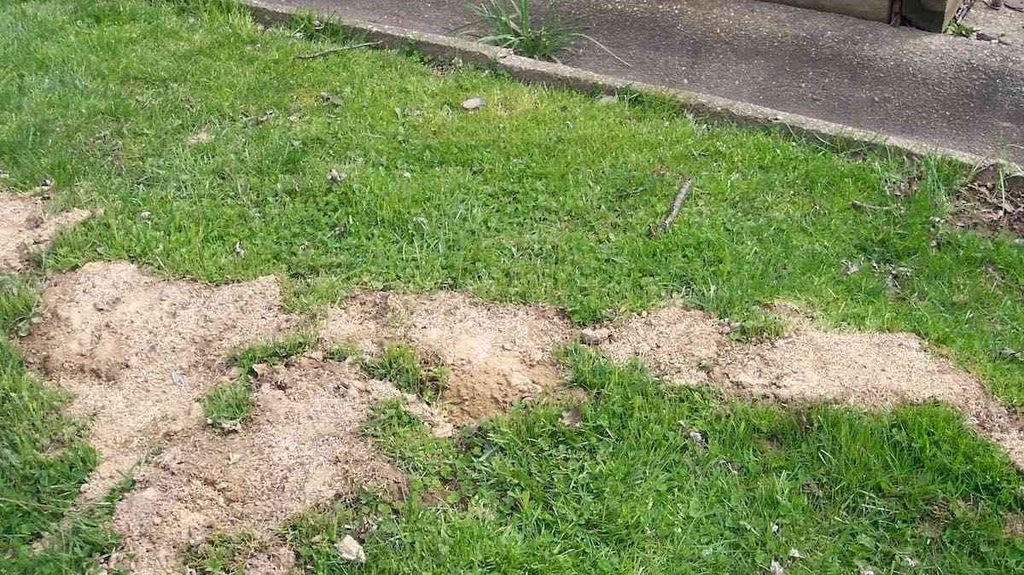
One of the easiest signs to spot is a raised line of soil running through the grass.
These lines form when moles dig shallow tunnels just below the surface. The soil gets pushed upward, leaving a narrow ridge.
You may notice several lines crossing the lawn, especially after rain.
Molehills
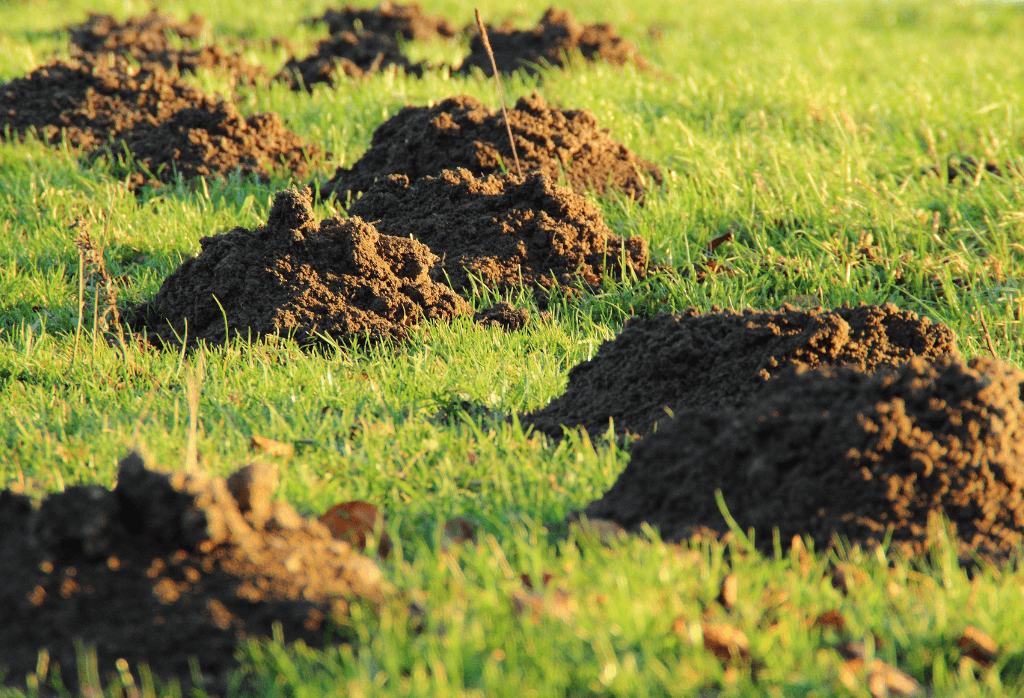
Molehills are piles of loose dirt pushed up from deeper tunnels.
They often look like small volcano-shaped mounds, with soil spread around the center.
Fresh mounds usually contain loose, moist dirt. Older ones may become dry and flat.
Other signs include:
- Soft or uneven ground when you walk across the lawn.
- Grass lifting away from the soil.
- Small plants pushed out of place.
- Fresh ridges appearing after older ones have been flattened.
Moles vs. Voles: What’s the Difference?
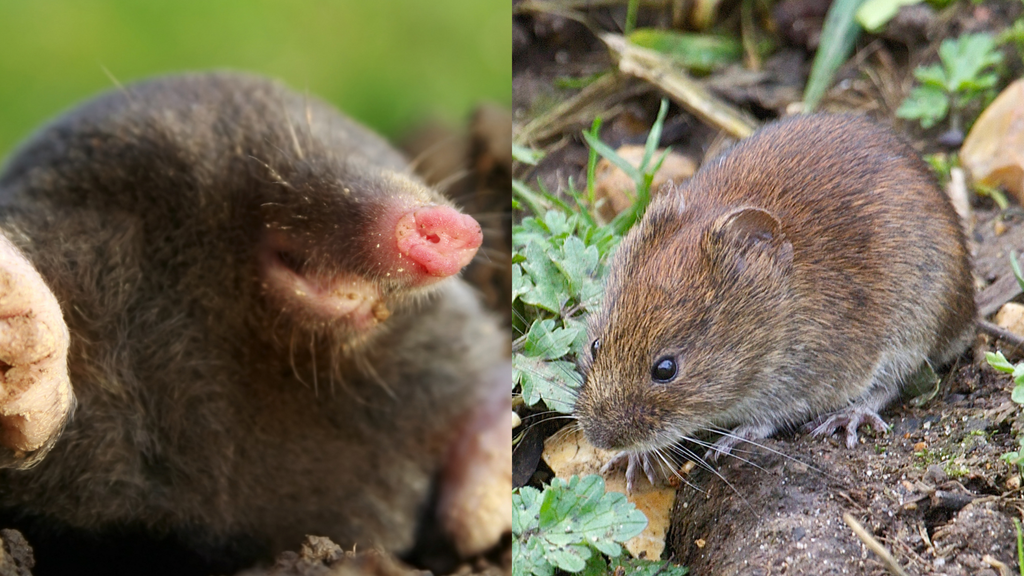
Moles and voles are often confused, but they behave differently.
| Signs | Moles | Voles |
|---|---|---|
| Main diet | Worms and insects | Plants, roots, and seeds |
| Tunnels | Raised soil ridges | Narrow paths through grass |
| Dirt mounds | Common | Usually absent |
| Plant damage | Mostly from digging | Direct feeding damage |
| Appearance | Pointed nose, large digging feet | Mouse-like body |
Gophers can also create mounds, but their piles are often crescent-shaped and may have a plugged opening. They are not a common cause of lawn damage around Charlotte.
Shrews are smaller animals that eat insects, while rats may dig around buildings and dense plants.
A simple way to check: Look at the soil. Raised ridges with fresh dirt mounds usually point toward moles. Small open holes and damaged plants without large mounds may point toward voles.
If you’re unsure, identify the animal before trying any treatment.
Why Are Moles Attracted to Your Lawn?
Moles come into your yard because the soil offers food and suitable places to dig.
Food in the Soil
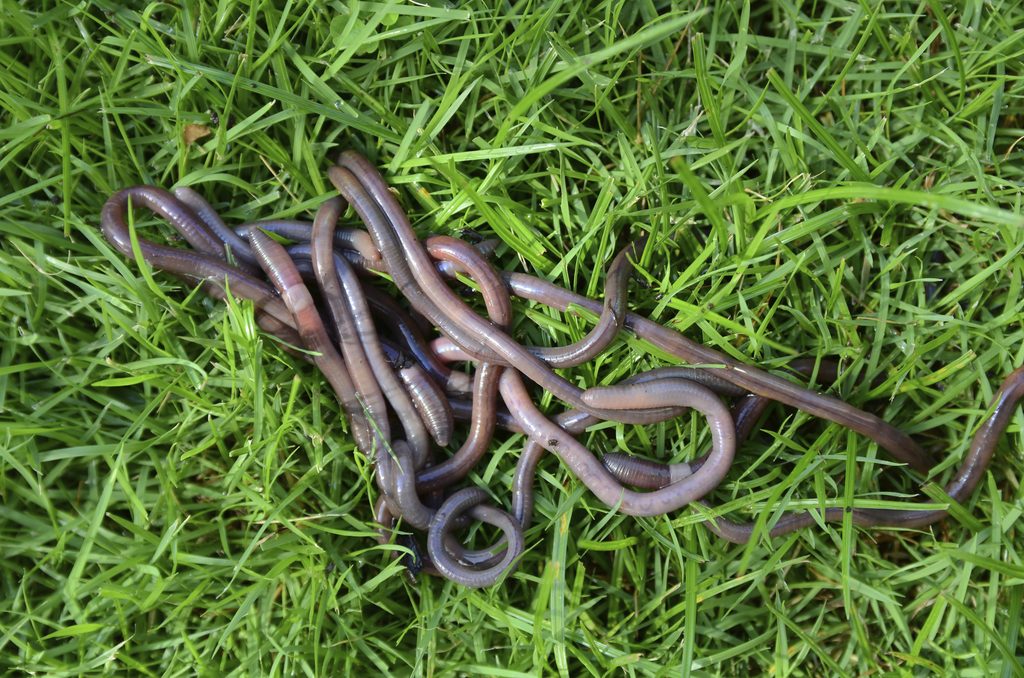
A lawn full of earthworms and insects can provide plenty of food.
Grubs are one possible food source. These small, white, C-shaped larvae live in the soil and feed on grass roots.
However, finding mole tunnels does not mean grubs are present.
If you’re concerned about grubs, it helps to understand how and when to treat lawn grubs before applying anything to your grass.
Soil Conditions

Moles often find it easier to dig through moist, loose soil.
After heavy rain, earthworms may move closer to the surface, and fresh mole tunnels can become more noticeable.
Lawns with rich soil, healthy earthworm populations, and steady moisture can also attract feeding activity.
Shelter and Water
Moles may use areas near garden beds, shrubs, fences, and other undisturbed ground.
Water matters mainly because it changes soil conditions and affects the animals moles eat.
An overwatered lawn may offer favorable conditions, but even a healthy, well-maintained yard can attract moles.
How Moles Damage Your Lawn
Moles do not normally eat your grass, but their digging can still cause serious problems.
Grass and Root Damage
When moles dig shallow tunnels, they can lift grass roots away from the soil.
Those roots may dry out because they lose contact with the moist ground.
You might notice grass turning yellow or brown along a tunnel. Some areas may become thin or die if the roots remain exposed.
Uneven Ground
Fresh tunnels can make the lawn feel soft and bumpy.
This can make mowing difficult. A mower may cut raised grass too short, leaving damaged patches behind.
Large ridges can also create small tripping hazards.
Damage to Gardens
Moles sometimes dig beneath flowers, vegetables, and young plants.
Their tunnels may loosen the soil around roots, leaving plants poorly supported.
Shallow irrigation pipes or landscape wiring may also be disturbed in some cases, although direct damage is less common.
Repair Costs
Repeated activity can leave bare patches that need fresh soil, seed, sod, or replacement plants.
Mole tunnels do have one benefit: they move soil and help air enter the ground. Moles also eat some lawn pests.
However, that benefit may not outweigh the damage when tunneling becomes extensive.
How to Prevent Moles in Your Lawn
There is no single treatment that will keep every mole away forever.
The best approach is to protect vulnerable areas, manage genuine lawn problems, and watch for fresh activity.
Control Grubs When Necessary
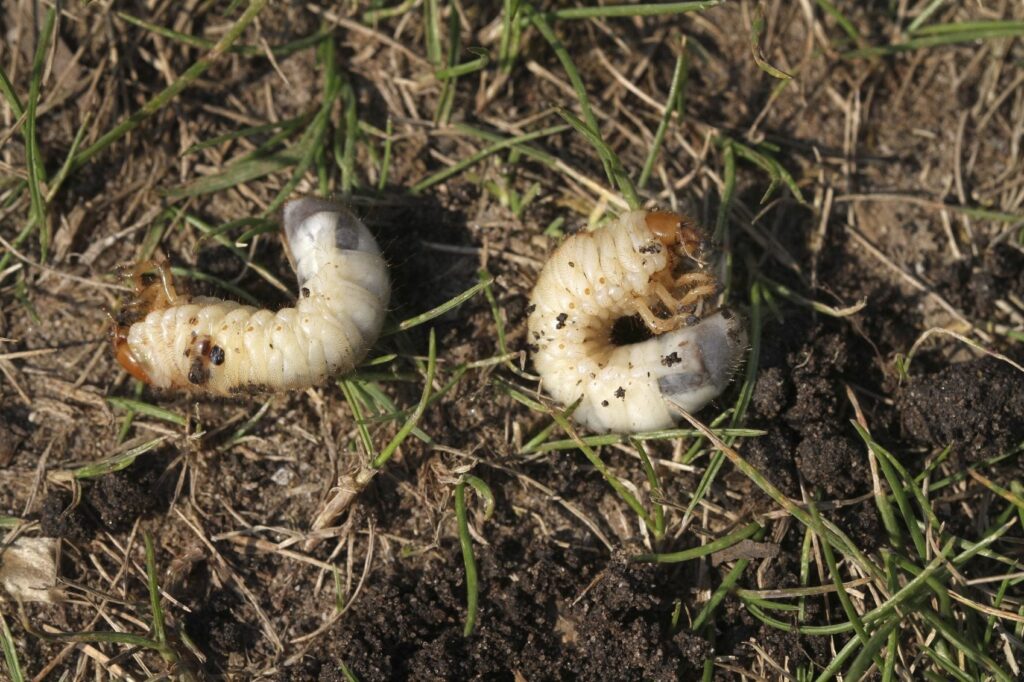
Because moles eat grubs, many homeowners believe that removing grubs will make moles disappear.
Unfortunately, it isn’t that simple.
Moles also eat earthworms, so they can remain even after grub populations fall.
Only treat grubs when there is evidence they are damaging your lawn.
Possible grub treatments include:
- Beneficial nematodes that target certain soil insects.
- Milky spore products that target Japanese beetle larvae.
- Registered insecticides selected for the pest and treatment timing.
Grub treatments work best when matched to the insect’s life cycle. Late summer and early fall can be important for some treatments, while certain preventive products need earlier application.
If you’ve already discovered grubs, read our guide on what to do when you have grubs in your lawn before choosing a treatment.
Install Underground Barriers
Physical barriers can help protect smaller areas, such as vegetable beds and valuable flower gardens.
Fine metal mesh or hardware cloth can be buried around the edges of a bed, extending roughly 12 to 24 inches underground, with an outward bend to make digging underneath harder.
For raised beds, mesh beneath the soil can also provide protection.
Barriers work best around small areas. Installing them around an entire lawn is rarely practical.
Manage Water and Soil
Avoid watering more than your grass needs.
Too much water can leave the ground wet for long periods, which may support earthworms and other soil animals.
Follow a watering schedule suited to your grass type and local weather.
Regular mowing may help you spot new ridges, but mowing alone will not drive moles away.
Be Careful With Repellent Plants
Daffodils, marigolds, garlic, and other strong-smelling plants are sometimes sold as natural mole repellents.
There is little reliable evidence that planting them will stop moles.
Castor bean plants are especially concerning because their seeds are highly poisonous to people and animals.
Do not plant castor beans as a mole-control method, particularly where children or pets play.
How to Get Rid of Moles
There are several ways to manage moles, but they don’t all work equally well.
Some methods remove the animal. Others aim to make a certain area less attractive.
The following comparison can help you decide which approach makes sense for your property.
| Method | Effectiveness | Safety concerns | Cost and effort |
|---|---|---|---|
| Trapping | Generally the most reliable direct method | Risk of injury; legal permit requirements | Moderate cost, high effort |
| Repellents | Mixed results | Depends on the product | Low to moderate cost, repeat use |
| Baits and poisons | Can work when properly selected and used | Serious poisoning risks | Variable cost, specialist care |
| Natural predators and biological control | Limited direct control | Usually low risk when managed responsibly | Low to moderate cost, slow results |
| Flooding and home remedies | Generally unreliable | Water damage and other hazards | Often low initial cost, wasted effort |
The best choice depends on how much damage you have, whether tunnels are active, and which methods are legal and safe to use.
Method 1: Trapping Moles
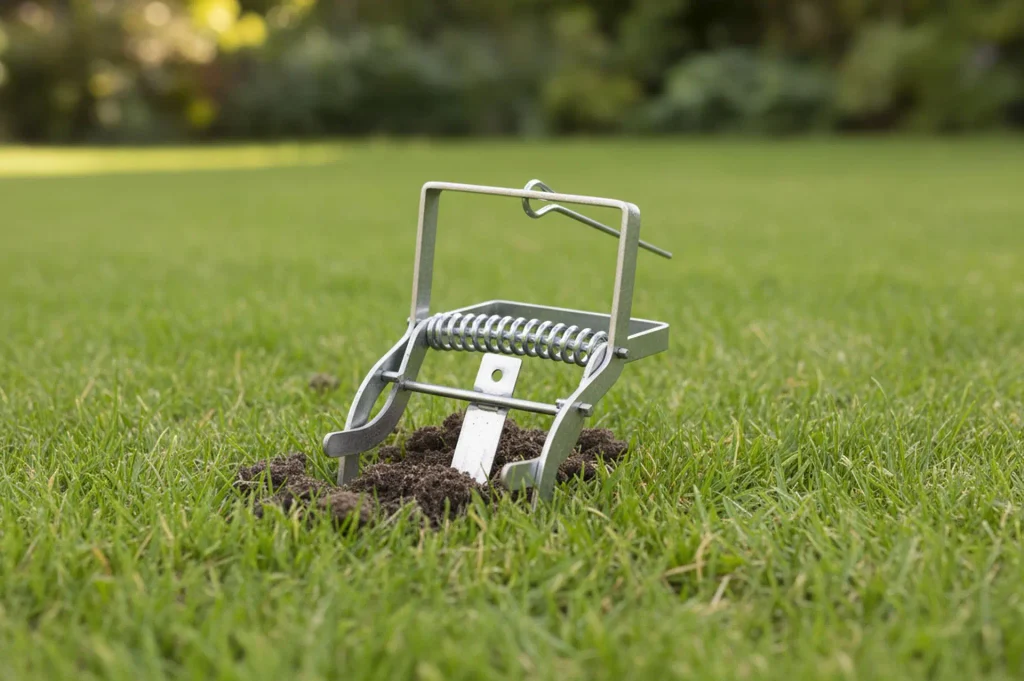
Trapping is one of the most reliable ways to remove individual moles from an active lawn.
It works by targeting the tunnels moles use regularly.
However, North Carolina has important rules.
Types of Mole Traps
Several trap designs are available.
Scissor traps: These have metal jaws that close when a mole moves through the trigger area.
Harpoon traps: These use spring-loaded spikes positioned above a tunnel.
Cinch or choker traps: These are placed within tunnel passages and activate when the animal passes through.
Live-capture traps: These attempt to capture the animal without killing it, although successful capture is difficult.
Live trapping does not automatically make relocation legal or safe. Moving wildlife to another property may be restricted, and released animals may struggle to survive.
Finding Active Tunnels
Not every tunnel you see is still in use.
To identify an active passage:
- Look for longer, fairly straight tunnels connecting different parts of the yard.
- Gently flatten a small section of the raised soil.
- Mark the location so you can find it again.
- Check the area the following day.
- If the soil has been raised again, the tunnel is likely active.
Longer main runways are generally better trapping locations than short, twisting feeding tunnels.
Setting a Trap
Once the necessary permit has been obtained, follow the exact instructions supplied with the approved trap.
For a typical scissor-style trap, this means exposing the active runway, placing the jaws and trigger correctly within the tunnel, and securing the device as directed.
Do not place an exposed spring-loaded trap where a child or pet might reach it.
Check traps regularly, handle them with care, and follow local rules for any captured animal.
Trapping takes patience. A trap placed in an unused tunnel may catch nothing, even when moles are still active elsewhere.
Method 2: Mole Repellents
Repellents aim to make parts of the lawn less appealing to moles.
They are often marketed as safer alternatives to trapping, although their results can vary.
Castor Oil Repellents
Castor oil-based products are sold as granules or liquid concentrates.
Manufacturers claim these products make treated areas unpleasant for moles, encouraging them to move elsewhere.
Some studies have found limited benefits, but results are not consistent.
Rain, irrigation, soil conditions, and the location of active tunnels may affect how long a product works.
Apply only products labeled for the intended use, following the directions for watering and reapplication.
Do not assume a product is safe for children or pets just because its main ingredient comes from a plant.
Sonic Mole Repellents
Sonic devices are small units placed in the ground. They release sounds or vibrations intended to disturb moles.
Unfortunately, university extension research has not found reliable evidence that these devices consistently keep moles away.
Moles may continue digging near them.
Natural Repellents
Some homeowners use garlic, marigolds, daffodils, or homemade sprays.
These methods have little scientific support.
Repellents may appeal to homeowners who want to avoid lethal control, but remember that a mole driven from one part of the yard may simply dig somewhere else.
Method 3: Baits and Poisons
Chemical mole control involves products designed to kill moles within their tunnel systems.
These treatments carry greater risks than most other approaches.
Mole Baits
Some mole baits are shaped like worms because moles feed on earthworms and other soil animals.
Certain products contain bromethalin, a powerful poison that affects the nervous system.
Traditional grain-based rodent bait is generally ineffective because moles do not normally eat grain.
Approved worm-shaped baits may be effective in some situations, but results depend on the product and correct use.
Never use ordinary rat poison as a substitute for an approved mole treatment.
Poisoned bait can create serious dangers for pets, children, and wildlife. Always verify that the product is registered for mole control in North Carolina.
Gassing and Fumigants
Some products release gas into underground burrows.
These may include gas cartridges or highly hazardous fumigants containing substances such as aluminum phosphide.
Such treatments are not suitable for casual home use.
They may expose people or animals to toxic gases, particularly where tunnels connect to nearby structures or enclosed spaces.
Some fumigants are restricted to certified applicators.
Mole tunnel systems can also make gas treatments unreliable because gas may escape or fail to reach the animal.
Never attempt to use household chemicals, fuel, or vehicle exhaust to gas mole tunnels.
If chemical control is being considered, speak with a properly licensed professional who understands the legal and safety requirements.
Method 4: Natural Predators and Biological Control
Moles have natural predators, including hawks, owls, foxes, snakes, and some domestic animals.
Supporting a healthy outdoor environment may help maintain these natural relationships.
However, predators are not a dependable way to clear an active mole problem.
Encouraging Natural Predators
Trees and suitable habitat can provide places for birds of prey to hunt.
Snakes also feed on small animals, although you should never handle or deliberately introduce unfamiliar snakes around your home.
Cats and dogs sometimes catch moles, but they may also dig up the lawn while trying.
Do not rely on pets for mole control.
Biological Control
Beneficial nematodes are tiny organisms that can target certain insect larvae in the soil.
One type, Heterorhabditis bacteriophora, may help control some white grubs under suitable conditions.
Milky spore products target Japanese beetle grubs.
These treatments can help with particular lawn pests, but they do not directly control moles.
There is also value in leaving harmless animals alone.
For example, grass spiders help catch insects around the yard. If you’ve seen them moving through your grass, our article on whether to keep or remove grass spiders explains why they may be worth leaving alone.
The goal is to manage real problems without removing every useful creature from your lawn.
Method 5: Flooding and Other Home Remedies
When homeowners first notice mole tunnels, many try methods that require little equipment.
Unfortunately, some of these ideas cause more trouble than they solve.
Flooding Mole Tunnels
One common method involves placing a garden hose into a tunnel and filling it with water.
The idea is to force the mole above ground.
In practice, mole tunnels can cover a large area, and water may drain into the surrounding soil without reaching the animal.
Moles may escape through other passages.
Flooding also wastes water and can damage plants, especially in areas that already drain poorly.
It is not a reliable removal method.
Common Mole Control Myths
Chewing gum: Some people believe moles will eat gum and die. There is no reliable evidence supporting this claim.
Human hair and dryer sheets: Placing these items in tunnels has not been shown to stop mole activity.
Broken glass and sharp objects: These are dangerous and should never be placed underground. They can injure people, pets, and other animals.
Mothballs and household cleaners: These products are not appropriate mole treatments and can contaminate soil or create health risks.
Vibrating bottles or homemade noise devices: There is no strong evidence that these keep moles away.
Save your money and avoid methods that could make your lawn less safe.
When to Call a Professional
A few small tunnels may not require major action. Sometimes, monitoring the lawn and repairing minor damage is enough.
But repeated activity can become frustrating, especially when fresh ridges keep appearing after you flatten the old ones.
Consider professional help when:
- New tunnels appear regularly.
- Molehills cover large areas.
- Grass or garden plants are being damaged.
- You cannot identify which tunnels are active.
- You have children or pets and are concerned about treatment safety.
- Previous attempts have failed.
Is Professional Mole Control Worth It?
DIY products may appear cheaper at first, but costs can add up.
You might purchase several repellents, devices, or traps without solving the problem. Meanwhile, the lawn may need repeated repairs.
A professional wildlife control company can inspect the property, confirm the animal, and choose an appropriate method.
The actual cost depends on the property size, treatment method, follow-up visits, and local provider.
There is no fixed price that applies to every mole problem.
Choosing a Professional
Before hiring someone, ask:
- Do you have experience managing moles?
- Are you properly licensed and insured?
- What permits are required?
- Which treatment methods do you use?
- How will children, pets, and wildlife be protected?
- What happens if activity returns?
- What is included in the quoted price?
Be cautious of anyone promising permanent, guaranteed removal.
Even after existing moles are removed, others may move into the area.
Advanced Turf Care specializes in lawn health and turf management, not mole trapping or wildlife removal. If mole activity has left your grass damaged, professional lawn care can help address the condition of the turf while a qualified wildlife specialist handles the animal problem.
How to Repair Mole Damage
Once active tunneling has stopped, the next step is getting your lawn back into good shape.
You may not need to replace large sections of grass.
Minor damage can often be repaired with soil, careful watering, and time.
Flatten the Tunnels
Start by checking for fresh activity.
If no new tunnels appear, gently press down the raised ridges so the grass roots make contact with the soil again.
Use your foot or a hand tool for small areas.
Avoid heavy rolling, especially on Charlotte’s clay soils, because excessive compaction can limit water and air movement around grass roots.
For molehills, remove loose dirt or spread a thin layer across bare areas.
Fill larger depressions with suitable topsoil and level the ground.
Repair Bare Patches
If grass has died, loosen the top layer of soil and remove dead material.
Choose the repair method that suits your lawn.
Tall fescue usually establishes best from seed during early fall in the Charlotte area. September and early October are particularly useful months.
Bermuda and Zoysia grasses recover best during their active growing season in late spring and summer. Depending on the grass type and variety, damaged areas may be repaired through spreading growth, plugs, or sod.
After repairing the soil:
- Make sure the ground is level.
- Add the correct grass seed, plugs, or sod where needed.
- Water according to the establishment needs of your grass.
- Keep heavy foot traffic off recovering areas.
- Avoid applying excess fertilizer to force quick growth.
Healthy surrounding grass may gradually fill smaller gaps without major repairs.
Keep Your Lawn Healthy
A strong lawn is better able to recover from damage, but healthy grass alone cannot prevent moles.
Continue with basic lawn care:
- Water deeply when needed instead of keeping the soil constantly wet.
- Maintain suitable mowing heights.
- Fertilize according to your grass type and soil needs.
- Treat insects only when there is a confirmed problem.
- Aerate compacted soil when appropriate for the grass type.
- Remove excess thatch if it is affecting lawn health.
Aeration and dethatching can help with soil and turf problems, but neither is a proven mole repellent.
Lawn care works best when you understand the cause of each problem. Our lawn pest control guide explains how to recognize common pests before choosing a treatment.
Watch for New Mole Activity
Even after your lawn looks normal again, check it regularly.
Moles can move into areas that other moles have left.
Pay attention to fresh ridges, new dirt mounds, and soft patches.
You may notice more surface activity during spring and fall when soil conditions are favorable. Moles can also remain active during summer and winter, so there is no completely mole-free season.
A simple seasonal approach can help:
| Season | What to Do |
|---|---|
| Spring | Look for fresh tunnels and check whether mole activity is increasing |
| Summer | Avoid overwatering and inspect any signs of insect damage |
| Fall | Monitor tunnels and repair or reseed damaged fescue areas |
| Winter | Check for new mounds when the soil is workable and plan repairs |
If activity returns, confirm the animal and reconsider the most suitable control method.
This approach is called integrated pest management, or IPM. It means using monitoring, prevention, and targeted treatment instead of applying products without knowing whether they are needed.
Long-Term Lawn Recovery
Some lawns recover quickly once raised soil is pressed back into place. Others need more care, especially where tunnels have damaged roots or left large bare patches.
The important thing is to treat the lawn based on its actual condition.
A mole problem and a lawn-health problem are not always the same thing.
You may need a wildlife control specialist to manage the moles and a lawn care professional to repair the grass.
For homeowners in Charlotte, Gastonia, Huntersville, and nearby communities, Advanced Turf Care can help assess turf damage and improve lawn health through services such as fertilization, core aeration, overseeding, and appropriate grub control.
Keep Your Lawn Free From Mole Damage
Moles can turn a smooth lawn into a mess of raised tunnels and dirt mounds. But the right approach starts with understanding why they are there.
First, confirm that you’re dealing with moles rather than voles or another animal. Then look for active tunnels and choose a control method supported by evidence.
Remember, killing grubs will not necessarily remove moles, and most popular home remedies don’t work reliably.
Follow North Carolina wildlife rules, put safety first, and seek professional help when necessary.
Once the activity is under control, repair the damaged areas and keep watching for new signs.
With the right care and a little patience, your lawn can recover and look healthy again.
Need Help With Your Lawn?
Get professional lawn care built around your property, grass type, and seasonal needs.
Get a Free Quote