Have you noticed large brown beetles flying around your porch lights at night? Or maybe your lawn has brown patches that keep growing, even though you water it regularly.
June bugs could be part of the problem.
The good news is that you can manage June bugs once you know what to look for. Here’s how to identify them, spot the damage, and choose the right way to control them.
What Are June Bugs?
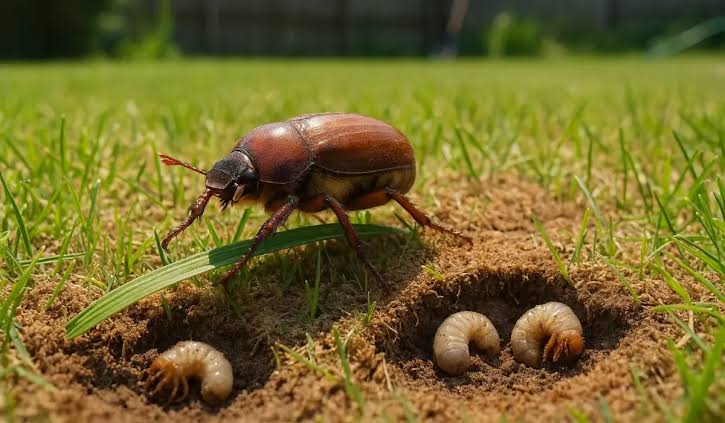
June bugs are beetles that belong to the scarab beetle family. You may also hear them called May beetles or June beetles.
There are several kinds of June bugs. The brown May/June beetles are usually the ones people notice flying around porch lights at night. Green June beetles are another common type, but they often fly during the day.
Both can be found in North Carolina.
June bugs are usually harmless to people. They don’t sting, and they aren’t known for biting humans. Still, their buzzing and clumsy flying can be annoying.
Their feeding habits are a bigger concern.
Adult brown June beetles eat the leaves of trees and shrubs. Green June beetles may feed on soft, ripe fruit. Their young live in the soil, where some species feed on grass roots.
Are June Bugs the Same as Japanese Beetles?
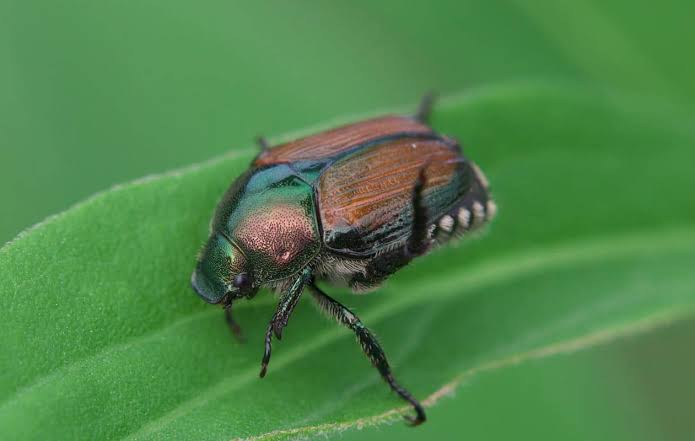
No. June bugs and Japanese beetles are related, but they aren’t the same insect.
Japanese beetles have shiny green bodies, copper-colored wings, and small white tufts along their sides. They often gather on plants and feed during the day.
Brown June beetles are usually larger, less colorful, and more active at night.
June bugs are also different from cicadas. Cicadas have clear wings and make loud sounds from trees, while June bugs have hard wing covers.
Knowing which insect you’re dealing with matters because their damage and treatment needs can differ.
The June Bug Life Cycle
June bugs go through four stages during their lives: egg, larva, pupa, and adult.
How long this takes depends on the species. Green June beetles usually complete their life cycle in one year. Some brown May/June beetles take two or three years.
Here’s what happens during each stage.
1. Egg Stage
Female June beetles lay their eggs beneath the soil during the warmer months.
The eggs are small, pale, and oval-shaped. Moist soil helps them develop, and many hatch within two to four weeks, depending on the species.
The eggs don’t damage your grass. Problems can begin after they hatch.
2. Larva Stage
After hatching, June bugs become grubs.
Most have thick, cream-colored bodies, brown heads, and six small legs. Many curl into a C shape when disturbed.
Grubs can remain underground for months or even years.
Brown June beetle grubs feed on roots. As they grow, they can weaken patches of grass by cutting off their water supply.
Green June beetle grubs feed heavily on organic matter and can also damage grass through feeding and tunneling.
This is usually the most important stage for lawn care.
3. Pupa Stage
Once a grub finishes growing, it changes into a pupa inside the soil.
During this stage, it develops the wings, legs, and body of an adult beetle.
The pupa doesn’t feed. Depending on the species and conditions, this stage often lasts a few weeks.
4. Adult Stage
The adult beetle finally leaves the soil.
It begins feeding, searching for mates, and laying eggs that start the next generation.
Adults usually live for several weeks. You may notice them in late spring or summer, although their exact emergence time varies.
According to NC State Extension’s white grub research, understanding the insect’s life cycle is important because control methods work better at certain stages.
How to Identify June Bugs and Grubs
You don’t need special equipment to notice an adult June bug. Finding its grubs takes a little more work.
What Do Adult June Bugs Look Like?
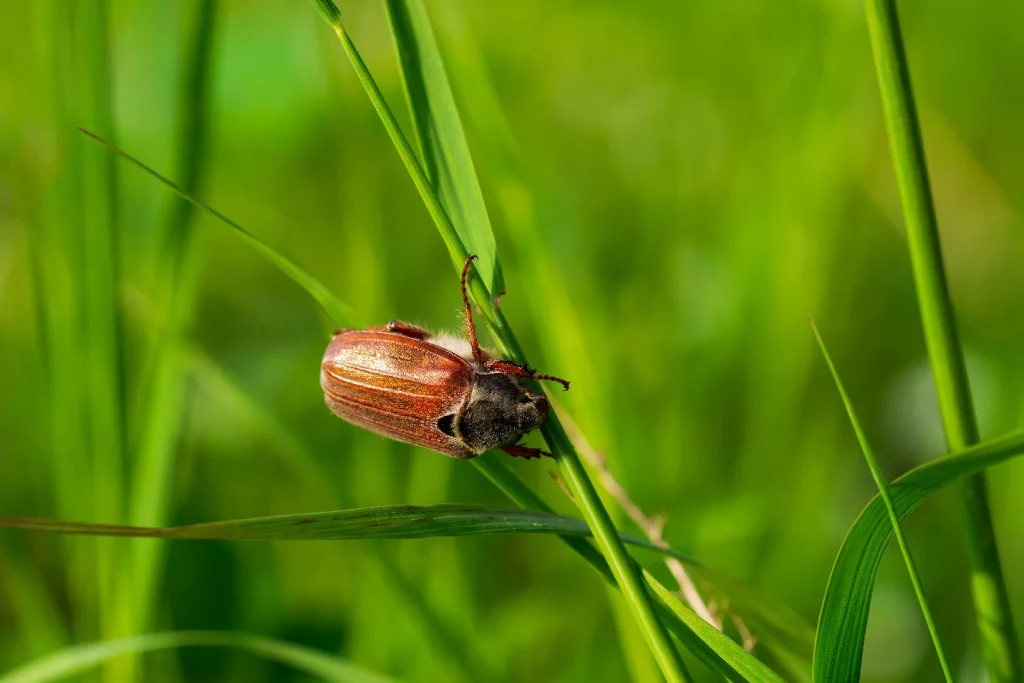
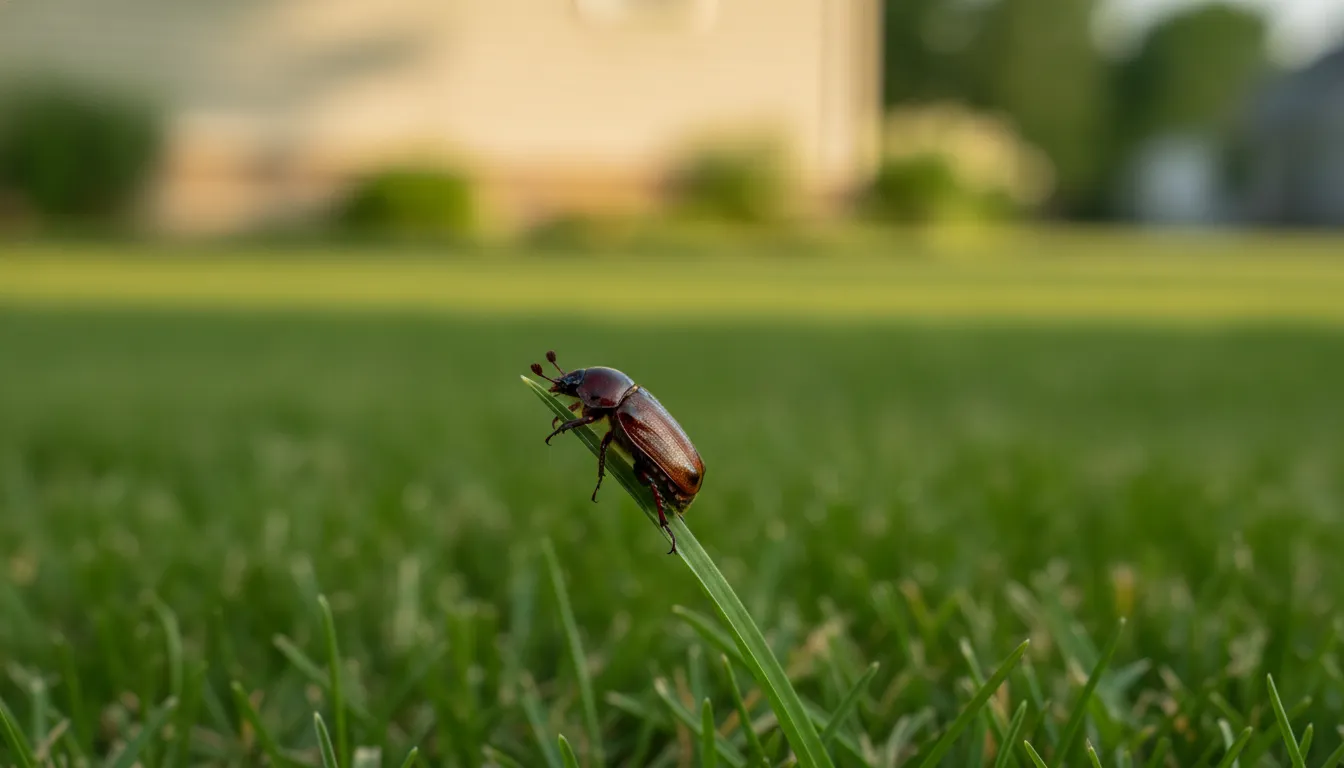
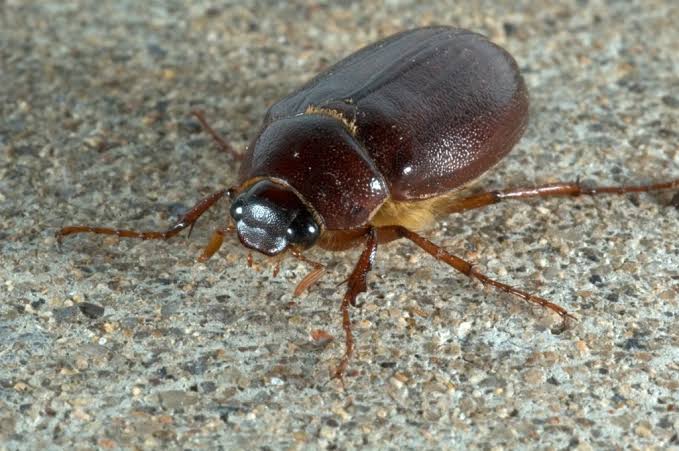
Brown June beetles usually have:
- Reddish-brown, dark brown, or nearly black bodies
- Hard wing covers
- Thick, oval-shaped bodies
- Six legs and short antennae
- A length of roughly half an inch to one inch, depending on the species
They often make a buzzing sound when flying. You might find them near outdoor lights, on window screens, or resting on plants.
Green June beetles look different. They have green bodies with yellowish edges and may fly low over lawns during the day.
What Do June Bug Grubs Look Like?
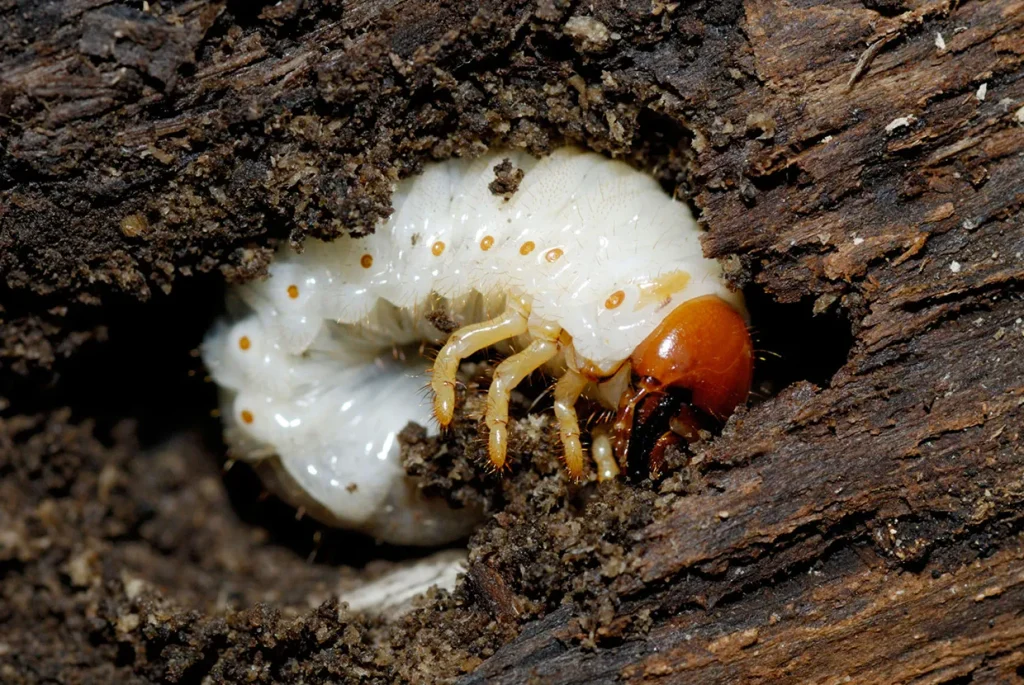
Most June beetle grubs have creamy white bodies, darker heads, and three pairs of legs near the front.
They can range from less than half an inch to over an inch as they grow.
One exception is the green June beetle grub. It has a more stretched-out body, smaller-looking legs, and may move on its back.
Other beetle grubs can look almost identical.
How to Check Your Lawn for Grubs
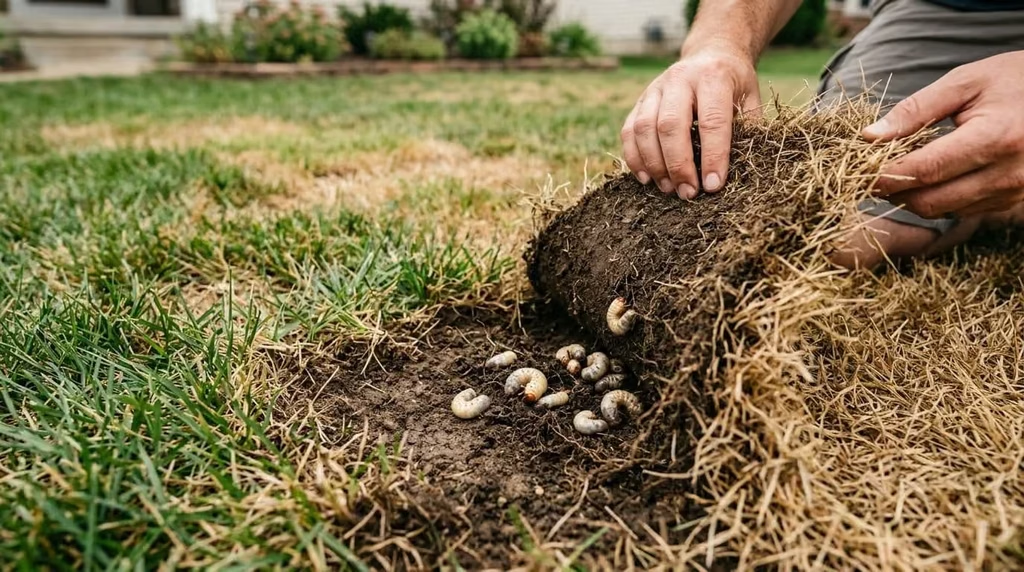
If you suspect grubs, try this simple inspection:
- Find an area where brown grass meets healthy grass.
- Use a small shovel or hand trowel to cut three sides of a one-foot square.
- Carefully lift the grass back like a flap.
- Check the roots and the upper few inches of soil.
- Look for white grubs and count how many you find.
Repeat the inspection in a few places.
If you find grubs, look at their body shape and movement. A grub that crawls on its back may be a green June beetle larva. For other white grubs, a close look at the raster may be needed.
Signs of June Bug Damage
June bugs can leave clues above and below the soil.
Adult June Bug Activity
Adult beetles are easiest to notice during their active season.
You may see brown beetles gathering around porch lights, flying into windows, or resting on trees.
You might also notice leaves with uneven holes or chewed edges.
Seeing adult June bugs doesn’t automatically mean your lawn has a grub problem. It does tell you that beetles are active nearby.
Signs of Grubs in Your Lawn
Grub damage is harder to spot because it begins underground.
Common warning signs include:
- Brown patches: Grass turns yellow or brown even with enough water.
- Loose turf: Damaged grass lifts easily because roots have been eaten.
- Soft ground: Areas may feel unusually loose or spongy underfoot.
- Animal digging: Birds, skunks, or raccoons may tear into the lawn while searching for grubs.
- Small holes or soil mounds: These can appear where green June beetle grubs tunnel.
Brown patches alone aren’t proof of grubs.
Drought, lawn diseases, and other insects can cause similar damage. For example, fall armyworm damage can also leave large brown areas, but armyworms feed on grass blades rather than roots.
That’s why checking the soil is so important.
Damage to Garden Plants
June beetles can also affect flowers, shrubs, and garden plants.
Some grubs feed on plant roots, causing wilting or poor growth. Adults may chew leaves or damage ripe fruit.
Check the roots and nearby soil before blaming June bugs, since plant diseases and watering problems can cause the same symptoms.
How June Bugs Damage Lawns and Gardens
Grass needs healthy roots to pull moisture and nutrients from the soil.
When root-feeding grubs eat those roots, the grass becomes weak. A damaged area may look fine at first, then turn brown during hot weather.
Green June beetle grubs cause a different problem. Their tunnels can push soil upward, loosen plants, and leave small holes in the lawn.
Where Are Grubs Most Likely to Cause Problems?
Some areas deserve closer inspection.
Soil moisture, organic matter, grass type, and the beetle species can all affect where grubs are found.
Green June beetles often favor soil with plenty of decaying organic material. Other beetles may lay eggs in moist turf.
Check areas with a history of grub damage, especially where the grass starts to thin or lift from the soil.
June beetles can also affect ornamental plants, fruit trees, and some farm crops. The type and amount of damage depend on the beetle.
How to Prevent June Bugs
You can’t keep every beetle out of your yard. However, good lawn care can help your grass withstand damage and reduce the need for treatment.
Keep Your Grass at the Right Height
Cutting grass too short weakens it and leaves the soil more exposed to heat.
The right mowing height depends on your grass type.
For example, tall fescue is commonly kept around 3.5 inches during summer in North Carolina. Bermuda and Zoysia grasses are usually maintained much shorter.
Follow the recommended height for your lawn rather than using one setting for every grass type.
Water Your Lawn Carefully
Too much watering can leave the soil constantly wet. Too little can weaken grass roots.
Water deeply when needed, then let the soil dry somewhat before watering again.
Early morning is usually a good time to water.
The goal isn’t to make the soil completely dry to kill grubs. Healthy roots and proper moisture help your lawn recover from stress.
Avoid Excess Fertilizer
More fertilizer doesn’t always mean healthier grass.
Too much nitrogen can cause fast, weak growth and increase other lawn problems.
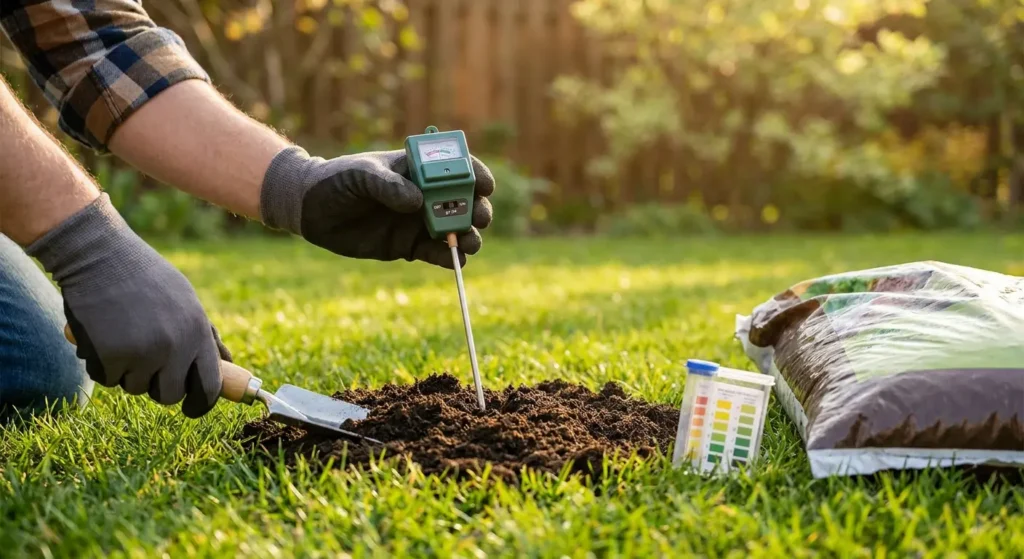
Use soil testing to learn what nutrients your lawn needs. A soil pH test can also help guide lawn care, although changing soil pH isn’t a proven way to repel June bugs.
Improve Soil and Lawn Health
Compacted soil can make root growth difficult.
Core aeration may help when compaction is a problem. Dethatching can also be useful if your lawn has too much thatch.
Neither treatment directly kills June bugs, but improving growing conditions can make grass more resilient.
Protect Plants and Reduce Beetle Activity
You can cover valuable plants with fine netting during periods of heavy adult feeding. Remove or adjust the netting when needed for pollination and plant growth.
Some gardeners try herbs, flowers, or ground covers to discourage beetles. There isn’t strong evidence that these reliably prevent June bug infestations.
Healthy planting, fewer unnecessary outdoor lights, and regular lawn checks are more practical steps.
For broader prevention, our lawn pest control guide explains how to recognize and manage common pests before they cause serious damage.
How to Get Rid of Adult June Bugs
Adult June bugs can be frustrating, especially when they gather around your home at night.
Fortunately, a few simple methods can help.
Reduce Outdoor Lighting
Brown June beetles are attracted to many outdoor lights.
Switch off lights you don’t need at night. Keep doors and windows screened, and consider changing the position of lights that attract beetles near entrances.
This may reduce the number gathering around your home.
Use Light Traps Carefully
Light traps attract flying insects using light.
They can help you monitor adult June bugs or catch some beetles in a small area.
However, they won’t reliably stop grubs from developing in your lawn. They may also attract other insects, including beneficial ones.
Avoid placing traps close to plants or seating areas you want to protect.
Remove Beetles by Hand
If beetles are feeding on a small plant, you can remove them by hand.
Check plants when the beetles are less active. Wear gloves if preferred, then drop the insects into a container of soapy water.
This method works best when there are only a few beetles.
Use Protective Netting
Fine netting can protect small fruit trees, shrubs, or other valuable plants.
Make sure the material doesn’t damage leaves or trap wildlife.
It can reduce feeding on protected plants, but it won’t stop beetles from laying eggs in nearby soil.
What About Insecticides?
Spraying the whole yard is rarely the best response to a few adult June bugs.
Insecticidal soaps work mainly on soft-bodied insects and aren’t reliable against hard-shelled beetles.
If adult feeding is severe, use only a product labeled for the identified pest and plant. Follow every label instruction and avoid exposing pollinators.
Remember, controlling flying adults doesn’t guarantee that your lawn will be free of grubs.
How to Get Rid of June Bug Grubs
Grubs are often the main concern when June bugs affect your lawn.
The right treatment depends on the grub species, how many are present, and their stage of growth.
When Is the Best Time to Treat Grubs?
Timing makes a big difference.
Many grub treatments work best when larvae are young and close to the soil surface.
In North Carolina, late summer and early fall are important periods for checking active grubs.
However, preventive treatments may need to be applied earlier, before or around egg hatch.
Here’s a general guide to June bug activity in the Charlotte area:
| Season | What May Be Happening |
|---|---|
| Spring | Older grubs may resume feeding; some species begin pupating |
| Late spring to summer | Adult beetles emerge, mate, and lay eggs |
| Summer | Eggs hatch and young grubs begin feeding |
| Late summer to early fall | Many young grubs are active near the surface |
| Late fall and winter | Many grubs move deeper into the soil |
These times aren’t exact. Weather and beetle species can shift activity.
Our guide on how and when to kill lawn grubs explains why choosing the right treatment window matters.
Beneficial Nematodes
Beneficial nematodes are tiny worms that can infect and kill certain soil insects.
One species, Heterorhabditis bacteriophora, can help control some white grubs.
For good results, the soil must be moist and the temperature suitable. Apply the nematodes according to product instructions, usually during cooler parts of the day.
Another species, Steinernema carpocapsae, is sometimes sold for insect control but is generally not effective against white grubs.
Nematode treatments don’t always work equally well against every grub species.
Milky Spore
Milky spore is a biological treatment that uses bacteria to infect Japanese beetle grubs.
It isn’t a reliable treatment for all June beetle grubs.
It also works slowly and may take years to become established.
Before using milky spore, make sure Japanese beetle grubs are actually causing the problem.
Natural Predators
June bugs are part of the food chain.
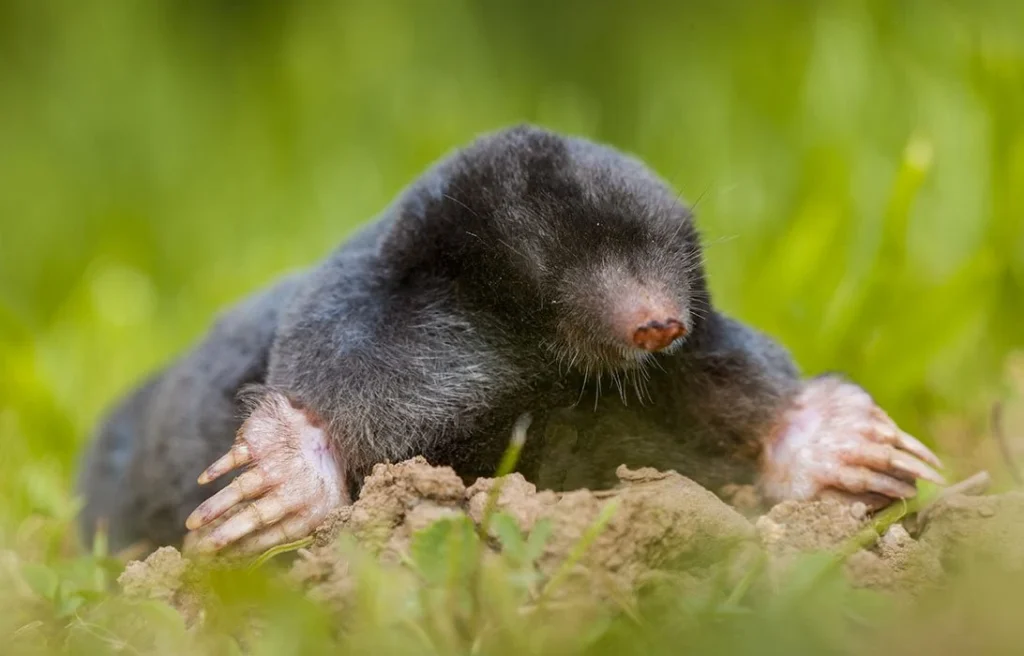
Birds, moles, skunks, and other animals may eat grubs. Certain parasitic wasps also help control them.
Scoliid wasps, for example, search for grubs in the soil. Their larvae develop using the grubs as hosts.
You can support beneficial insects by maintaining suitable habitat and limiting unnecessary pesticide use.
However, digging animals can cause extra lawn damage while searching for food.
Chemical Grub Treatments
Sometimes an infestation is serious enough to need targeted insecticide treatment.
Products containing chlorantraniliprole are often used for preventive grub control. They need to be applied at the correct time, before serious damage develops.
Other labeled products may be used against grubs that are already feeding, but their effectiveness depends on the species and timing.
Some treatments must be watered into the root zone. Others, especially certain green June beetle treatments, have different instructions.
Do Neem Oil and Diatomaceous Earth Work?
Neem-based products are sometimes used against garden pests, but evidence for reliable June bug grub control is limited.
Diatomaceous earth also isn’t a dependable solution for grubs living in moist soil.
Neither should replace proper identification and a proven treatment when a lawn has serious grub damage.
How to Manage June Bugs Long-Term
The best approach to June bugs isn’t treating your yard every time you see a beetle.
It’s finding out whether the insects are causing damage, then choosing the least disruptive method that works.
This is called integrated pest management, or IPM.
Check Before Treating
Start by looking for damage and inspecting the soil.
Find out what kind of grub is present, how many you have, and whether the lawn is actually losing roots.
A few grubs may not cause any noticeable harm. Healthy turf can often tolerate some feeding.
There isn’t one grub-count threshold that fits every beetle species or lawn. A thin, stressed lawn may be damaged by fewer grubs than a healthy one.
Choose the Right Response
If there are only a few grubs and the grass looks healthy, regular monitoring may be enough.
If the population is growing or damage is spreading, consider a treatment suited to that species and its life stage.
Keep records of where and when you find grubs. This can help you identify recurring problem areas.
Continue maintaining healthy grass rather than relying only on insecticides.
When to Call a Lawn Care Professional

Some grub problems are easy to spot. Others are difficult to identify without experience.
Consider professional help if:
- Brown patches continue spreading despite proper watering.
- Large areas of turf lift easily from the soil.
- You keep finding grubs in several parts of your lawn.
- Damage returns year after year.
- You can’t tell whether the problem is grubs, disease, or another pest.
A lawn care professional can inspect the turf, assess the damage, and help determine whether treatment is needed.
Advanced Turf Care provides professional grub control for homeowners in Charlotte and surrounding North Carolina communities.
With more than 20 years of Carolina turf experience, owner Andrew Powell understands the challenges local lawns face.
If you’re unsure where to begin, our article on what to do when you have grubs in your lawn can help you decide on the next step.
Common Myths About June Bugs
There’s plenty of confusing advice about June bugs. Here are four common myths worth clearing up.
Myth 1: June Bugs Only Appear in June
June bugs can emerge in May, June, July, or other parts of the warm season, depending on the species and weather.
Their grubs may remain in the soil much longer.
Myth 2: Every White Grub Is a June Bug
White grubs can develop into several kinds of beetles, including Japanese beetles and masked chafers.
They may need different control methods.
Myth 3: Pesticides Are Always the Best Solution
Not every grub infestation needs treatment.
Monitoring, good lawn care, and targeted biological methods may be enough in some situations.
Myth 4: June Bugs Bite or Sting People
June bugs don’t sting and aren’t considered a biting threat to people.
They may bump into you while flying, but that doesn’t make them dangerous.
Frequently Asked Questions
Adult brown June beetles usually eat leaves from trees and shrubs. Green June beetles may eat ripe fruit. Many June beetle grubs feed on plant roots, while green June beetle grubs also feed on decaying organic matter.
What do June bugs eat?
June bugs generally aren’t dangerous to people or pets. However, pets shouldn’t be encouraged to eat insects, and lawn treatments must be used according to label directions to reduce exposure risks.
Are June bugs harmful to pets or children?
Adult June bugs usually live for several weeks. Their complete life cycle may take one to three years, depending on the species.
How long do June bugs live?
Yes. Adult June bugs have wings and can fly. Brown June beetles are often active at night, while green June beetles commonly fly during the day.
Can June bugs fly?
Check the roots beneath a brown patch. Grub-damaged grass may lift easily, and you may find white larvae in the soil. Drought-stressed grass can look similar, so finding and assessing the insects helps confirm the cause.
How do I know if I have grubs or drought damage?
Keep June Bugs From Damaging Your Lawn
June bugs are a normal part of the environment, and seeing a few doesn’t mean your lawn is in trouble.
The key is knowing when they’re causing real damage.
Watch for weak grass, loose roots, and unusual soil activity. Check for grubs before treating, and choose control methods that match the insect and season.
Good watering, proper mowing, balanced fertilizer, and regular inspections can also help your lawn stay strong.
If grubs are damaging your grass, Advanced Turf Care can help identify the problem and recommend the right lawn treatment.
Contact our team to get a free quote and help protect your lawn from further damage.
Need Help With Your Lawn?
Get professional lawn care built around your property, grass type, and seasonal needs.
Get a Free Quote